
 EN
EN
Navigating Project Execution Fundamentals
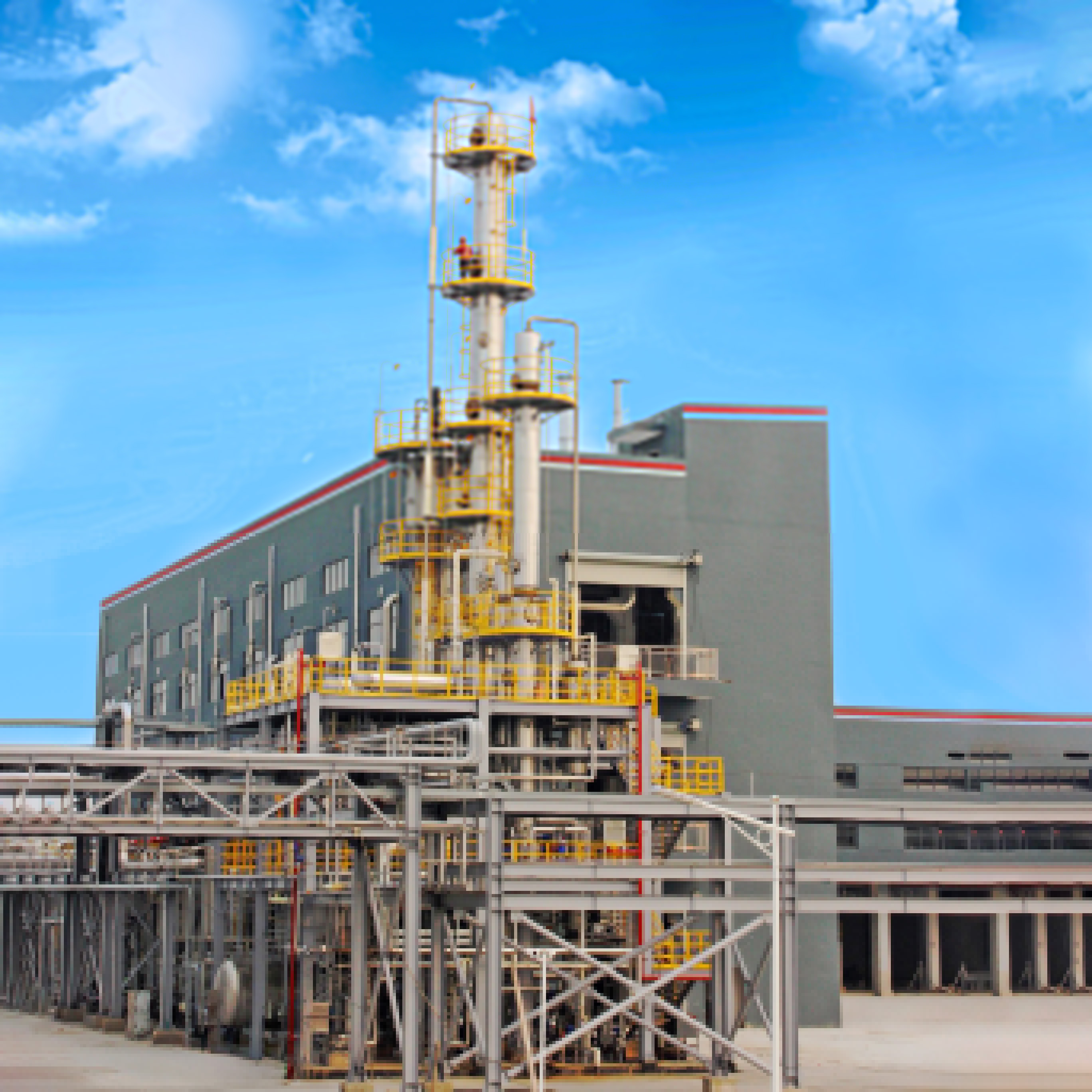
Developing a massive industrial hydrogen peroxide production facility is an intricate undertaking that tests the absolute limits of operational readiness and chemical management strategies. Field engineering practitioners frequently observe that the earliest planning and execution phases dictate whether a multi-train chemical complex achieves long-term stability or encounters persistent mechanical setbacks. Industry observations consistently reveal that a substantial share of unplanned facility downtime during initial operational months stems from overlooked pre-engineering evaluations and rushed equipment fabrication schedules throughout anthraquinone loop systems. Establishing a disciplined, methodical foundation helps mitigate severe pressure fluctuations and safeguards expensive reactor internals against premature wear. Seasoned engineering consultants emphasize that rushing through initial fluid circulation blueprints introduces massive vulnerabilities that ripple across subsequent hydrogenation and extraction stages. Comprehensive baseline assessments during early design walkdowns establish the exact structural and mechanical baseline required for safe continuous operation under extreme industrial pressure environments. Maintaining strict adherence to established engineering protocols ensures that every subsystem transitions smoothly from initial design concepts to active commercial production without unexpected mechanical stress. Careful preparation at this juncture ultimately determines overall facility reliability and commercial viability across extended operating lifecycles while minimizing operational friction.
Optimizing Core Chemical Processes and Reaction Kinetics
Achieving superior production efficiency in modern hydrogen peroxide plants relies heavily on mastering the intricate anthraquinone auto-oxidation pathway. Plant engineers must maintain absolute control over hydrogenation and oxidation loops to guarantee optimal reaction kinetics while preventing catalyst degradation or unwanted side reactions. Field experience demonstrates that managing working solution stability and extraction efficiency requires precise thermal regulation across multi-phase contactors. By integrating advanced monitoring arrays and continuous analytical feedback loops, technical operators successfully maintain high selectivity and prevent runaway exothermic spikes inside the reaction vessels. Continuous monitoring of catalyst bed performance ensures that active components achieve maximum conversion efficiency without undergoing structural deformation or poisoning. Maintaining stable hydrogen-to-solution ratios throughout the reduction cycle prevents byproduct formation and guarantees sustained catalytic performance over years of continuous commercial manufacturing. Proper chemical management during these formative phases establishes an unshakeable foundation for high-yield conversion and long-term operational profitability.
Enforcing Rigorous Safety and Environmental Standards
Handling hazardous oxidizing agents on an industrial scale demands an uncompromising approach to plant safety, material compatibility, and environmental compliance. Technical supervisors must execute comprehensive safety reviews during the early project execution phase to identify potential hazards associated with high-pressure hydrogen handling and concentrated peroxide storage. Operational experience demonstrates that a majority of unexpected commissioning anomalies originate from unverified piping metallurgy, improper passivation of stainless steel surfaces, or inadequate pressure relief designs. Engineering teams must conduct meticulous diagnostic checks across emergency shutdown frameworks, passivation protocols, and localized containment systems. Ensuring absolute material compatibility and verifying passivation layer integrity effectively eliminates decomposition catalysts that trigger violent exothermic reactions. Furthermore, cross-functional safety identification sessions ensure that operating crews remain fully aligned regarding emergency evacuation pathways, automatic trip settings, and redundant safety interlocks before feed introduction commences across delicate reactor junctions and high-energy piping manifolds.
Managing Hydraulic Performance and Purification Loops
As chemical equilibrium settles across the entire processing train, dynamic hydraulic testing guarantees that extraction columns, purification units, and distillation systems operate in seamless harmony under full design loads. Practical plant management highlights that maintaining precise water balances and solvent recovery ratios for various concentration grades demands constant refinement of internal reflux controls and liquid-liquid extraction parameters. Operators continuously observe phase behavior throughout vacuum distillation columns to avoid thermal decomposition, eliminate organic impurities, and secure exceptionally high purity specifications prior to routing finished outputs into commercial storage tanks. Maintaining stable column differential pressures during peak load shifts prevents flooding and ensures uninterrupted output quality across continuous production cycles. Careful fine-tuning of reboiler duties and condenser cooling water flow rates optimizes overall thermal integration and reduces total site energy consumption while maximizing valuable product yield recovery across every distillation train. Diligent oversight of mass balance parameters guarantees that downstream distribution channels receive premium-grade material matching stringent global market specifications.
Securing Operational Excellence Through Strategic Supply Partnerships
Achieving a flawless plant setup extends far beyond procedural discipline on paper; it relies profoundly upon the structural integrity, metallurgical excellence, and precise dimensional tolerances of every pressure vessel, heat exchanger, and piping assembly delivered to the site. SL-TECH provides exceptional manufacturing capabilities and dependable global supply chain services tailored specifically for large-scale chemical processing plants. By combining advanced alloy fabrication techniques, stringent non-destructive testing protocols, and comprehensive logistics management, SL-TECH ensures that vital infrastructure assets arrive on location meeting rigorous international compliance standards. Utilizing reliable manufacturing partnerships empowers industrial enterprises to minimize installation bottlenecks, accelerate commissioning schedules, and build lasting competitive advantages from day one while maintaining absolute confidence in structural reliability across demanding operating environments. Selecting proven fabrication partners guarantees that every critical component delivers optimal performance under extreme operational stress, safeguarding long-term asset value, operational continuity, and sustained business growth.