 EN
EN
Challenges in Handling Crude Phenol
Crude phenol distillation and refinement have always posed serious challenges for industrial chemical processors. The unrefined stream typically contains an intricate mix of water, acetophenone, mesityl oxide, and various organic impurities that exhibit overlapping boiling points. Traditional separation setups frequently struggle with high energy demands and suboptimal yields, leaving chemical plant operators with inconsistent purity grades that fail to meet strict global market regulations. Operational teams regularly face rapid equipment fouling and frequent downtime due to the corrosive nature of organic acids entrained within the crude mixture. Achieving a consistent product requires a deep understanding of phase equilibria and tailored thermodynamic models. Standard off-the-shelf separation hardware rarely satisfies these intricate demands, forcing manufacturing facilities to continually recalibrate their thermal units. This unstable operational environment compromises both production schedules and long-term corporate profitability, highlighting the critical need for a more reliable, advanced purification methodology.
Advanced Engineering and Technical Excellence
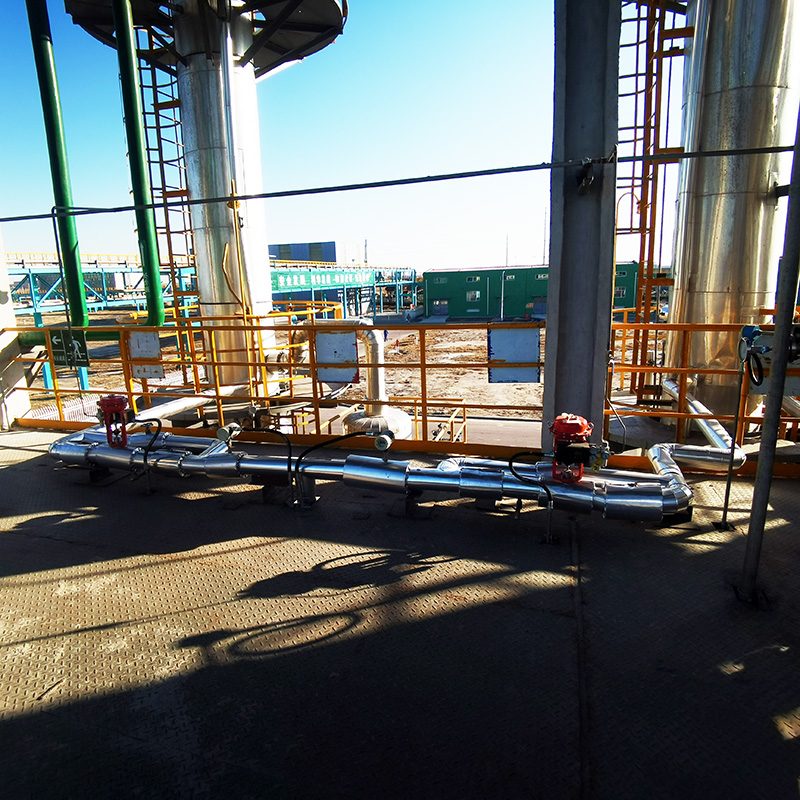
Overcoming these distillation barriers requires a sophisticated engineering approach rooted in rigorous thermodynamic analysis. Modern separation technology utilizes advanced multi-stage vacuum fractionation columns paired with high-efficiency structured packing. By manipulating operating pressures down to deep vacuum levels, the relative volatility of phenol against neighboring impurities increases significantly, enabling sharp chemical cuts at much lower processing temperatures. This thermal mitigation prevents the thermal degradation of heavy organics and minimizes tar formation within the column bottom. Furthermore, incorporating precise reflux ratio controls along the rectifying and stripping sections ensures the continuous removal of micro-impurities like trace aldehydes and ketones. Chemical engineering experts emphasize that maintaining exact control over vapor-liquid traffic inside the column grid is essential for preventing liquid weeping or vapor channeling. This highly optimized hydrodynamics strategy delivers an exceptionally high purity level, allowing industrial buyers to consistently secure premium chemical feedstocks for sensitive downstream applications.
Real World Application and Operations
During a recent large-scale optimization project at an international petrochemical complex, engineers faced a stubborn 85 percent pure crude feedstock heavily contaminated with complex hydrocarbon fractions. Standard distillation setups resulted in severe fouling within weeks, halting production and driving up maintenance budgets. To address this crisis, the team implemented a continuous, automated vacuum separation protocol featuring proprietary corrosion-resistant metallurgy and customized liquid distributors. The shift in chemical processing architecture led to an immediate reduction in tar byproduct formation by over forty percent while boosting the final phenol purity level to an impressive 99.9 percent. This practical application demonstrates how moving away from generic chemical systems toward specialized, application-specific designs can radically stabilize complex plant operations. Plant managers confirmed that the re-engineered layout sustained continuous operation for twelve months without a single unplanned shutdown, proving that robust technical execution directly translates to exceptional field performance.
Authoritative Standards and Regulatory Compliance
Industry compliance protocols and international quality standards mandate strict limitations on residual impurities within chemical intermediates. Leading global institutions, including the American Chemical Society and European regulatory boards, enforce tight thresholds for trace organic contaminants because even minor deviations can ruin downstream polymerizations. Industry white papers consistently point out that premium-grade bisphenol A and phenolic resin manufacturing demand an ultra-pure phenol baseline to prevent discoloration and structural weaknesses in final plastics. Relying on validated analytical validation techniques, such as high-resolution gas chromatography and capillary electrophoresis, provides the indispensable data transparency that modern procurement teams expect. Embracing these high validation standards ensures that every chemical batch aligns perfectly with international environmental and safety benchmarks. This strict adherence to verified chemical metrics fosters deep market confidence, ensuring seamless trade transitions across North American and European supply loops.
Unlocking Commercial Value and Return on Investment
Investing in premium purification workflows yields substantial financial returns that go far beyond basic product purity metrics. By maximizing chemical recovery rates and minimizing waste generation, industrial processing plants can drastically reduce their overhead costs associated with hazardous waste disposal and environmental compliance. High-purity outputs command significant market premiums, allowing chemical enterprises to enter high-margin sectors like pharmaceutical synthesis and advanced electronics manufacturing. Additionally, optimized thermal integration within the distillation train lowers overall steam consumption, delivering meaningful utility savings that boost bottom-line performance. Long-term financial assessments reveal that the initial capital expenditure for advanced separation machinery is typically recovered within the first fourteen months of continuous operation. This powerful combination of lower operational expenses and enhanced market access creates a highly resilient business model capable of weathering volatile global commodity cycles.
Strategic Supply Capacity and Infrastructure
Securing a consistent stream of high-purity chemicals requires an exceptionally robust industrial infrastructure and an agile supply chain network. As global manufacturing requirements shift toward just-in-time delivery models, having a dependable production partner becomes a critical competitive advantage. Industrial capabilities at Sanli Tech reflect this high level of operational readiness, combining sophisticated chemical synthesis assets with massive storage facilities to guarantee an uninterrupted product supply. The organization integrates advanced logistics management with comprehensive quality control protocols, ensuring that raw material sourcing remains stable even during unexpected market disruptions. This integrated manufacturing footprint enables the flexible scaling of production volumes to meet the evolving procurement schedules of international buyers. By focusing on continuous process innovation and maintaining a highly secure supply network, Sanli Tech provides global industrial distributors with the reliable product foundation needed to sustain large-scale manufacturing success.