 EN
EN
The Strategic Shift to Intensified Distillation in Methyl Acetate Plants
The global demand for high-purity Methyl Acetate (MeAc) is surging across industries ranging from advanced polymer production to environmentally friendly solvent manufacturing. As market competition intensifies, chemical plant operators are increasingly shifting their focus toward process intensification, specifically within distillation systems. Traditional separation methods in Methyl Acetate production are often characterized by high reflux ratios and significant thermal energy consumption, which can lead to substantial operating cost burdens. By moving toward intensified distillation technologies, plants can effectively bridge the gap between high-volume requirements and energy-efficient operations. This evolution is not merely a technical upgrade; it is a fundamental shift toward creating more resilient and profitable chemical processing facilities in a volatile market.
Engineering Logic Behind Intensified Distillation Efficiency
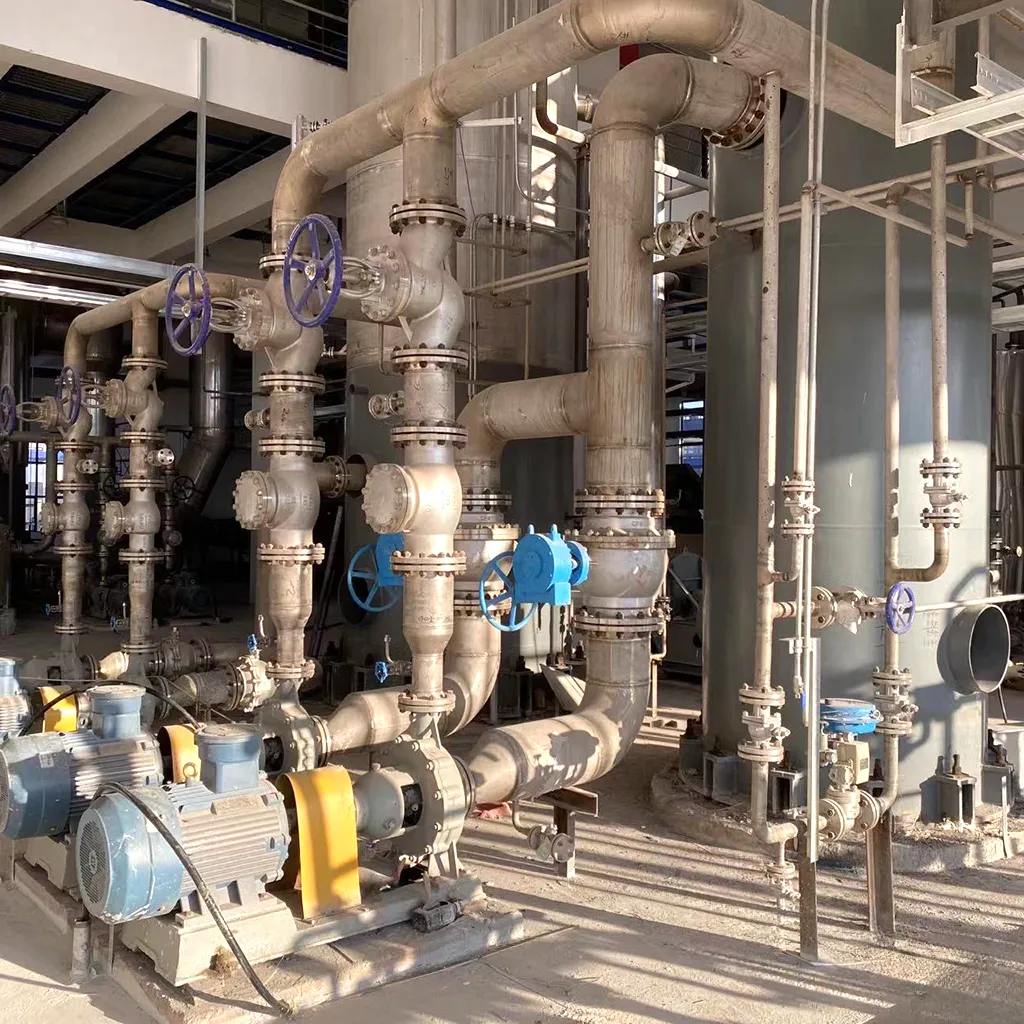
The core technical challenge in Methyl Acetate distillation is achieving the desired purity level while overcoming the complex vapor-liquid equilibrium constraints inherent in the mixture. Intensified distillation solutions, such as reactive distillation or the integration of high-performance structured packing and innovative tray designs, allow for a significant reduction in the required theoretical stages. By increasing the mass transfer efficiency within the column, these intensified systems enable manufacturers to handle higher feed rates without increasing the physical height or diameter of the existing column. Advanced plants utilize real-time computational fluid dynamics (CFD) modeling to ensure that internal vapor and liquid distribution is perfectly optimized. This precision significantly lowers the temperature gradient requirements and ensures that separation happens with minimal secondary decomposition, preserving the integrity of the product and preventing the formation of undesired byproducts.
Comparative Performance Analysis: Legacy versus Modernized Lines
When contrasting legacy separation setups with modern intensified distillation lines, the operational differences are transformative. Older designs typically suffer from inefficient thermal integration, where excessive steam is required to maintain separation stability during load fluctuations. In contrast, modern systems optimized with heat integration—such as multi-effect distillation or vapor recompression technologies—leverage the latent heat of vapors more effectively. These modern systems significantly reduce the "thermal footprint" of the process. Furthermore, the modular nature of current high-performance packing allows for shorter residence times. For the operator, this means less material is held up within the column at any given moment, which dramatically improves the plant's safety margin during emergency shutdowns or operational swings. The engineering transition from traditional distillation to intensified setups is effectively an investment in operational agility.
Translating Technical Optimization into Tangible Business Value
Technological efficiency is essentially a catalyst for commercial success. An intensified Methyl Acetate distillation system allows for a dramatic reduction in utility costs, which often account for the largest share of the variable production cost. When energy intensity per ton of product decreases, the manufacturer gains the ability to offer more competitive pricing in the global market while maintaining, or even increasing, profit margins. Moreover, as global environmental standards become more rigorous, the lower carbon footprint associated with highly efficient distillation provides an undeniable market advantage. For plants looking to expand, the ability to retrofit existing infrastructure with intensified internals allows for a significant capacity jump without the massive capital expenditure required for a greenfield facility. This is the primary driver for sustained growth and investor confidence in the modern chemical landscape.
Sanli Tech: Engineering Excellence and Full-Lifecycle Support
Successfully implementing intensified distillation in a Methyl Acetate plant requires a profound understanding of process chemistry, fluid mechanics, and material integration. Sanli Tech serves as an essential strategic partner in this domain, offering comprehensive engineering solutions that ensure technical theories are translated into high-performance industrial reality. With years of deep industry engagement, Sanli Tech provides specialized services ranging from conceptual process simulation and equipment sizing to complete plant design, high-quality hardware procurement, and onsite commissioning support. By maintaining close collaborative relationships with elite academic institutions like the Institute of Process Engineering of the Chinese Academy of Sciences, Sanli Tech ensures that every engineering project is backed by cutting-edge research and field-proven methodologies. Whether a plant requires a targeted hardware upgrade to remove a production bottleneck or the turnkey construction of a completely new facility, the technical expertise and robust supply chain services provided by Sanli Tech ensure that every project achieves maximum operational efficiency and reliable long-term success.
Table of Contents
- The Strategic Shift to Intensified Distillation in Methyl Acetate Plants
- Engineering Logic Behind Intensified Distillation Efficiency
- Comparative Performance Analysis: Legacy versus Modernized Lines
- Translating Technical Optimization into Tangible Business Value
- Sanli Tech: Engineering Excellence and Full-Lifecycle Support