
 EN
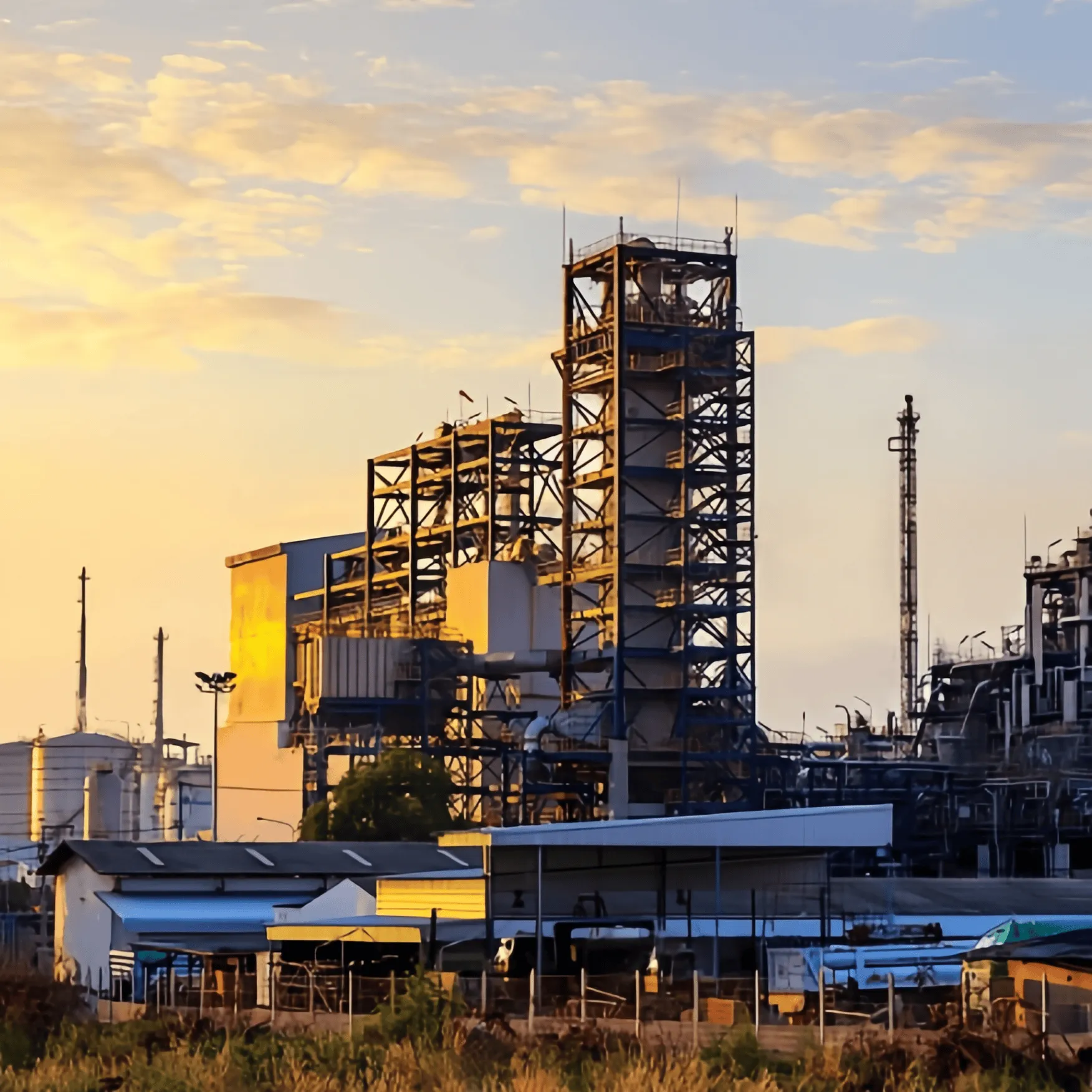
The Critical Nature of Commissioning a UHMWPE Facility
Bringing a chemical processing facility online is always a momentous undertaking, but few operations demand the precision, metallurgical integrity, and process discipline required for an Ultra-High Molecular Weight Polyethylene plant. As a specialized engineering polymer prized across global industries for its extraordinary impact strength, low friction coefficient, and chemical resistance, this material requires immaculate polymerization conditions. The transition from engineering blueprints to an active, profitable production line hinges entirely on the commissioning and start-up phase. For plant operators and chemical engineers, validating every subsystem under actual load conditions is the ultimate test of facility readiness. Drawing from years of hands-on experience in petrochemical plant commissioning, catalyst injection tuning, and process troubleshooting, navigating this critical window requires a deep appreciation of how minor mechanical or thermal discrepancies can cascade into major operational hurdles.
Technical Mastery in Polymerization Kinetics and Slurry
The heart of any modern polymer plant lies within its low-pressure slurry polymerization loop or stirred-tank reactor, where ethylene monomers are polymerized under tightly controlled conditions. Unlike standard polyethylene grades, the exceptionally high molecular weight creates unique rheological challenges, particularly regarding high slurry viscosity and heat dissipation. Technical mastery during start-up involves fine-tuning specialized catalyst systems, such as modified catalytic agents, alongside precise co-catalyst feed rates to control chain growth kinetics. Field engineering data and polymer science research emphasize that maintaining uniform reactor temperature profiles and effective agitation prevents localized overheating, polymer sheeting, and reactor fouling. Validating these parameters during initial trial runs ensures that the resulting polymer powder exhibits the target molecular weight distribution and intrinsic viscosity demanded by high-performance end-use applications.
Solid-Liquid Separation, Drying, and Powder Morphology
Once the polymerization reaction is successfully stabilized, the process stream moves into the intricate recovery, solid-liquid separation, and drying sections. The material is synthesized as a fine suspension powder, meaning the removal of hydrocarbon diluents requires specialized industrial centrifuges and closed-loop, inert gas-swept dryers. During the start-up phase, performance validation focuses heavily on verifying particle morphology, bulk density, and residual solvent levels. If drying temperatures fluctuate or centrifugal separation is inefficient, trapped volatiles can compromise powder flowability and thermal stability during downstream processing. Polymer experts and materials scientists note that maintaining strict control over crystal structure and granule size distribution during these early phases is vital for preventing voids or defects when the material is eventually molded into sheets, rods, or high-stress industrial components.
Economic Viability, Risk Mitigation, and Capital Protection
Investing in a state-of-the-art polymer facility represents a massive capital commitment, making risk mitigation during the start-up phase an absolute financial priority. A poorly executed commissioning sequence can lead to extensive equipment damage, prolonged off-spec production cycles, and hazardous safety incidents that hemorrhage operational budgets. Conversely, a methodical performance validation protocol ensures that every safety interlock, pressure relief valve, mass flow controller, and heat exchanger operates flawlessly before full-scale commercial runs begin. Achieving guaranteed design capacity, minimizing raw material waste, and hitting prime-grade specifications right from the first continuous run protects profit margins and accelerates return on investment. Rigorous validation transforms a potentially volatile start-up into a predictable, highly controlled engineering triumph.
Industrial Excellence and Engineering Support
Behind every successfully commissioned polymer plant lies the sophisticated infrastructure of advanced process engineering, meticulous equipment fabrication, and seasoned technical support. Guiding a facility through complex milestones of water runs, chemical leak tests, catalyst activation, and performance guarantee tests requires specialized industrial knowledge and collaborative expertise. Organizations like SL-TECH bring deep domain experience to this sector, utilizing advanced process technologies, proprietary catalyst know-how, and dedicated on-site engineering services to ensure smooth, reliable plant start-ups. Whether assisting regional chemical enterprises with grassroots plant integration or optimizing existing polymer lines for maximum throughput, SL-TECH focuses on delivering robust, turnkey solutions that perform flawlessly under demanding industrial conditions. Partnering with a seasoned technology provider ensures that every facility achieves optimal safety compliance, rapid stabilization, and enduring operational excellence.
Laying the Groundwork for Sustainable Polymer Production
Executing flawless performance validation during the start-up of an advanced polymer facility comes down to recognizing how catalyst kinetics, thermal management, solid-liquid separation, and engineering expertise intersect. By replacing rushed commissioning schedules with rigorous, step-by-step verification protocols, plant operators establish a secure foundation for safe, high-yield manufacturing. As global demand for advanced engineering plastics continues to expand across medical, marine, and automotive sectors, investing in dependable technology and commissioning partnerships is essential for modern chemical enterprises. With industry leaders like SL-TECH driving precision and reliability in polymer plant realization, achieving seamless start-ups and superior resin quality has never been more attainable for plant operators around the world.
Table of Contents
- The Critical Nature of Commissioning a UHMWPE Facility
- Technical Mastery in Polymerization Kinetics and Slurry
- Solid-Liquid Separation, Drying, and Powder Morphology
- Economic Viability, Risk Mitigation, and Capital Protection
- Industrial Excellence and Engineering Support
- Laying the Groundwork for Sustainable Polymer Production