
 EN
EN
Navigating the Complexities of Trioxane Synthesis Licensing and Industrial Asset Expansion
When chemical manufacturing enterprises evaluate complex asset expansion portfolios, securing a reliable, high-purity technological foundation for specialty monomer production remains a primary strategic objective. Trioxane, serving as the essential cyclic trimer of formaldehyde, functions as the critical chemical precursor required to synthesize high-performance polyoxymethylene engineering plastics utilized extensively across modern automotive, aerospace, and consumer electronics industries worldwide. Historically, fragmented licensing frameworks for raw material purification and downstream polymerization created severe bottlenecks, unexpected operational downtime, and extended project delivery timelines for global plant owners. Modern industrial development demands a unified, proprietary technology licensing methodology that guarantees high conversion efficiency and uncompromised product stability right from the initial commissioning phase. Furthermore, integrating advanced digital simulation tools during the early engineering phase allows project teams to forecast thermodynamic behaviors under various load conditions, effectively mitigating commercial risks and optimizing long-term capital deployment across international markets. Additionally, comprehensive feedstock evaluation protocols ensure that raw chemical inputs meet stringent purity thresholds before entering the primary reaction loop, safeguarding downstream catalysts from premature poisoning and operational degradation while maximizing overall return on investment and long-term asset profitability for commercial operators.
Advanced Catalytic Distillation and Complex Reaction Kinetics Management
Building an economically viable production facility begins with mastering the intricate thermochemistry of aqueous formaldehyde trimerization. State-of-the-art licensed plant designs employ specialized acidic heterogeneous catalysts combined with continuous reactive distillation configurations to shift chemical equilibria favorably toward maximum trioxane yield. By precisely controlling reflux ratios, operating temperatures, and residence times within the reaction zone, operators can suppress undesirable side reactions and minimize heavy byproduct formation. Furthermore, maintaining stringent thermal management across the reactor columns prevents localized hotspots, preserving catalyst longevity and ensuring consistent throughput over extended operating cycles. Process optimization also involves comprehensive heat integration networks, which capture latent thermal energy from overhead vapors to preheat incoming feedstocks, significantly lowering overall utility consumption and aligning facility operations with global sustainability benchmarks. Moreover, implementing online gas chromatography and real-time analytical instrumentation allows plant technicians to monitor reaction parameters continuously, ensuring instantaneous adjustments that maintain optimal conversion rates and exceptional end-product purity across varying operational loads.
The Engineering Edge of Modular Skid Fabrication and Assembly
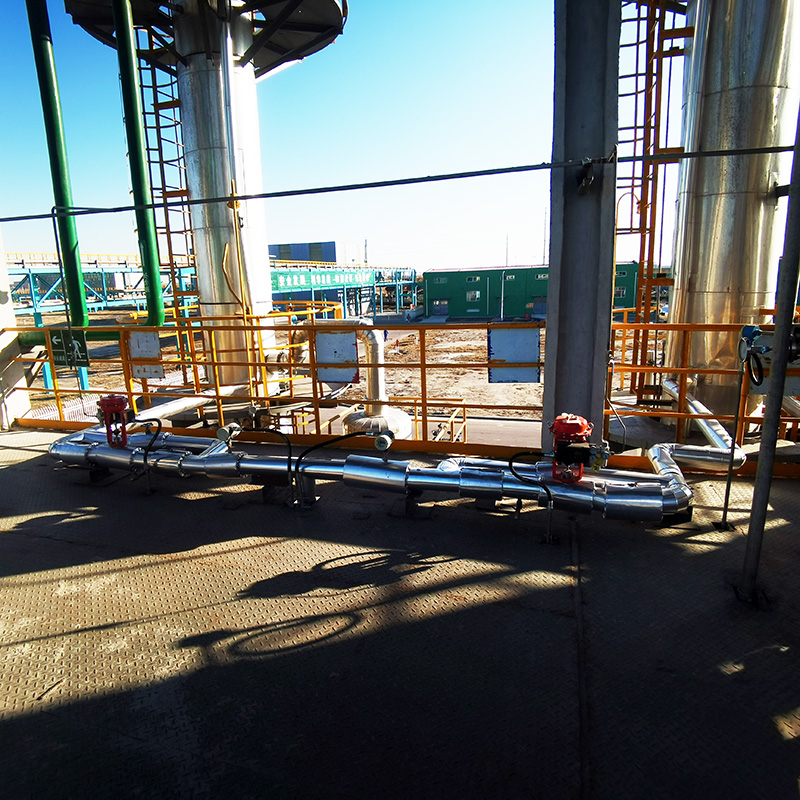
Traditional stick-built construction methods on remote industrial job sites frequently suffer from severe labor shortages, weather-related delays, and inconsistent welding quality. Leading engineering and licensing practices counter these vulnerabilities by implementing advanced modular skid-mounted fabrication methodologies. Critical process equipment—including specialized reactors, multi-stage distillation columns, condensers, and automated instrumentation loops—are pre-assembled onto structural steel skids inside a highly controlled workshop environment. This workshop-based strategy permits rigorous non-destructive testing, hydrostatic testing, and pre-commissioning verification prior to final ocean shipment. When modular packages arrive at the destination site, they fit together with absolute mechanical predictability, drastically compressing installation schedules and eliminating on-site fabrication bottlenecks. This factory-tested construction framework minimizes environmental disruptions at the plant location while preserving project capital budgets and accelerating commercial readiness. Furthermore, indoor fabrication protects sensitive metallurgical components from moisture, dust, and corrosive atmospheric conditions, ensuring superior mechanical integrity over the entire operational lifecycle of the industrial facility.
Robust Safety Architectures and Comprehensive Environmental Compliance Protocols
Operating chemical processing complexes requires an absolute, uncompromised commitment to plant safety and environmental stewardship. Modern facility designs incorporate multi-layered safety instrumented systems, continuous vapor monitoring arrays, and rapid emergency shutdown architectures capable of isolating hazardous zones instantaneously upon detecting any anomaly. Additionally, closed-loop stripping columns and advanced wastewater treatment systems neutralize acidic effluents and recover unreacted formaldehyde before any materials leave the facility boundary limits. These rigorous engineering safeguards guarantee full compliance with stringent international environmental regulations, offering plant operators total peace of mind while minimizing ecological footprints across all phases of operation. Comprehensive factory acceptance testing verifies all safety interlocks and pressure-relief mechanisms prior to dispatch, significantly reducing operational risks during initial startup and everyday plant management. Modern safety instrumented functions also undergo rigorous third-party verification, ensuring that the facility meets the highest international safety integrity benchmarks without compromise.
Delivering End-to-End Excellence and Long-Term Strategic Partnership
Adopting a comprehensive, unified technology licensing and plant execution solution fundamentally transforms the economic trajectory of a chemical capital investment project by reducing capital expenditure, shortening construction timelines, and optimizing lifetime operating costs. SL-TECH stands out as a premier global leader in chemical process engineering and modular manufacturing, offering deep technical expertise and comprehensive end-to-end project execution. Through integrated engineering, procurement, construction capabilities, and robust global supply chain services, SL-TECH empowers chemical enterprises to scale operations efficiently, modernize legacy facilities, and achieve enduring commercial success in an increasingly competitive international marketplace. By combining cutting-edge proprietary technology with unmatched manufacturing excellence and strategic logistics support, SL-TECH ensures that every completed project delivers exceptional operational reliability, environmental stewardship, and enduring commercial value for forward-thinking partners across international industries.
Table of Contents
- Navigating the Complexities of Trioxane Synthesis Licensing and Industrial Asset Expansion
- Advanced Catalytic Distillation and Complex Reaction Kinetics Management
- The Engineering Edge of Modular Skid Fabrication and Assembly
- Robust Safety Architectures and Comprehensive Environmental Compliance Protocols
- Delivering End-to-End Excellence and Long-Term Strategic Partnership