
 EN
EN
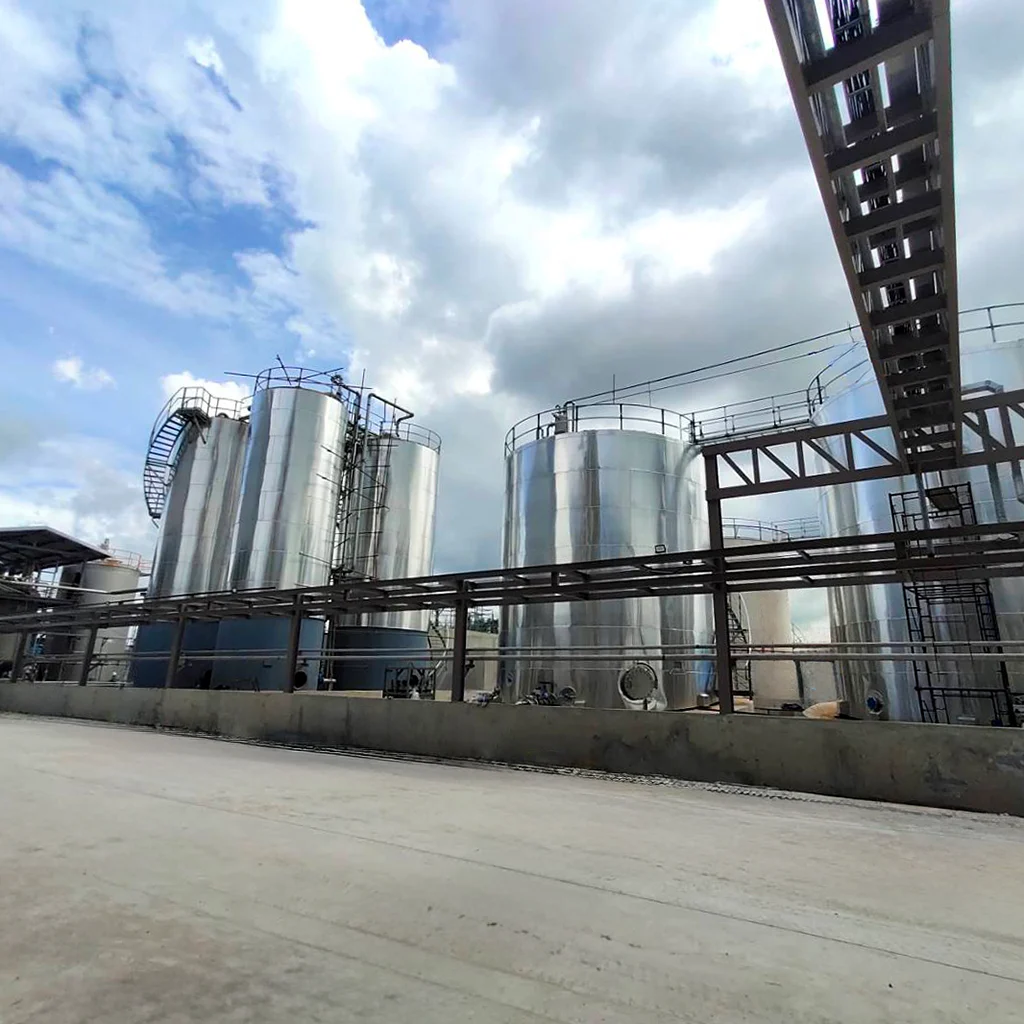
Tackling the Realities of Modern Engineering Plastics
When talking about engineering plastics, polyoxymethylene—frequently known in the industry as POM or acetal resin—holds a massive reputation for exceptional fatigue resistance, extremely low friction coefficients, and rigid mechanical strength. It is a material that automotive engineers, electronics manufacturers, and precision gear designers rely on daily. Yet, anyone who has ever stepped foot inside a chemical processing facility knows that manufacturing top-tier POM is far from simple. Traditional production setups constantly battle with fluctuating molecular weight distributions, annoying thermal stability issues, and unexpectedly high energy drains during the core reaction phase. That is precisely why upgrading to smarter, more responsive polymerization technology has shifted from a luxury upgrade into an absolute operational necessity for facilities aiming at long-term survival, high material output, and consistent financial profitability in a demanding global marketplace. Achieving superior output requires precise control over every single variable on the shop floor while maintaining strict environmental compliance and reliable daily performance across all production shifts.
Unlocking the Core Mechanics of Advanced Polymerization
At the very center of any state-of-the-art POM facility is the careful orchestration of formaldehyde or trioxane conversion. Traditional reactor setups often suffer from localized hot spots, which quietly trigger unwanted polymer chain scission and drag down the overall material quality. Modern polymerization technology leverages sophisticated reactor configurations paired with real-time kinetic tracking and digital monitoring systems. By maintaining stable heat transfer coefficients and thorough mixing inside loop or continuous stirred-tank systems, plant operators can completely eliminate those troublesome temperature spikes. Advanced multivariable control packages allow chemical engineers to finely tune the exact initiation, propagation, and termination stages of the growing polymer chain. The result is a remarkably narrow polydispersity index, which directly translates into stronger tensile properties, superior impact resistance, and dependable dimensional stability for molded industrial components across diverse end-use applications.
Mastering Thermal Stability and Molecular Weight Control
Practical, hands-on commissioning inside large-scale polycondensation units reveals a universal truth: thermal stability remains the ultimate hurdle for unrefined acetal grades. Without proper management, unstable hemiacetal end-groups tend to break down under high heat, releasing formaldehyde vapor and causing severe polymer degradation during melt processing. Modern plants address this bottleneck by embedding continuous end-group stabilization—such as specialized etherification or esterification pathways—directly into the downstream processing loop. By maintaining tight control over catalyst dosing rates, temperature profiles, and exact residence times within stabilization vessels, plant teams can successfully lock in thermal resistance, lift the Vicat softening point, and extend the operational lifespan of components destined for harsh industrial environments and demanding consumer markets worldwide.
Optimizing Reaction Kinetics and Catalytic Efficiency
Reaching superior polymer architecture requires a deep, intuitive grasp of reaction kinetics and catalytic behavior. Whether utilizing specific cationic or anionic systems, the choice of catalyst dictates the reaction velocity and molecular ceiling of the polymer. Modern production lines utilize automated dosing loops that react instantly to slight shifts in feed purity and reactor temperatures. Fine-tuning co-catalyst ratios and chain-transfer agents lets operators govern average molecular weight without sacrificing fluid flow properties. Furthermore, inline spectroscopy and chromatography feeds give distributed control systems the live data needed to make micro-adjustments automatically. This eliminates batch-to-batch inconsistencies and guarantees that every single shipment leaving the factory complies with rigorous international quality standards and customer expectations.
Driving Commercial Value Through Smarter Plant Operations
Beyond pure molecular precision, upgrading polymerization controls delivers massive economic advantages for chemical enterprises. In capital-intensive chemical processing, raw material conversion rates and utility consumption define the bottom line. Modern technology solutions dramatically cut down unreacted monomer recycling loads, lowering electricity and steam consumption while slashing volatile organic compound emissions to meet strict environmental standards. Additionally, consistent batch quality stops off-spec material generation and prevents costly unplanned plant shutdowns. For plant owners, this operational reliability translates directly into a faster return on investment, trimmed maintenance overheads, enhanced facility safety, and a stronger competitive edge in a crowded global marketplace.
Empowering Global Chemical Manufacturing Excellence
Turning complex chemical theories into smooth, reliable, and commercially viable production lines calls for a seasoned engineering partner with robust cross-border execution capabilities. SL-TECH stands firmly at the forefront of global chemical process development, delivering comprehensive, end-to-end solutions that span from early-stage laboratory research and front-end engineering design to specialized equipment procurement, on-site installation supervision, and hands-on operator training. Backed by extensive industry experience and strategic partnerships with premier research institutions, SL-TECH provides rugged, turnkey plant setups engineered for maximum uptime, safety, and operational excellence. Teaming up with SL-TECH ensures that industrial ventures are backed by dependable manufacturing capabilities, custom engineering expertise, and a resilient global supply chain built for enduring success. Furthermore, robust supply chain integration guarantees seamless delivery of critical core components, reducing long-term project risks for global clients everywhere.
Table of Contents
- Tackling the Realities of Modern Engineering Plastics
- Unlocking the Core Mechanics of Advanced Polymerization
- Mastering Thermal Stability and Molecular Weight Control
- Optimizing Reaction Kinetics and Catalytic Efficiency
- Driving Commercial Value Through Smarter Plant Operations
- Empowering Global Chemical Manufacturing Excellence