
UV Absorber UV-234 (CAS 70321-86-7) is a high-performance benzotriazole UV stabilizer offering broad-spectrum protection (270-400nm) for engineering plastics including polycarbonate (PC), polyamide (PA), ABS, and PVC. This comprehensive guide covers its chemical properties, physical specifications, recommended dosage, application case studies from automotive to aerospace, and safety data.
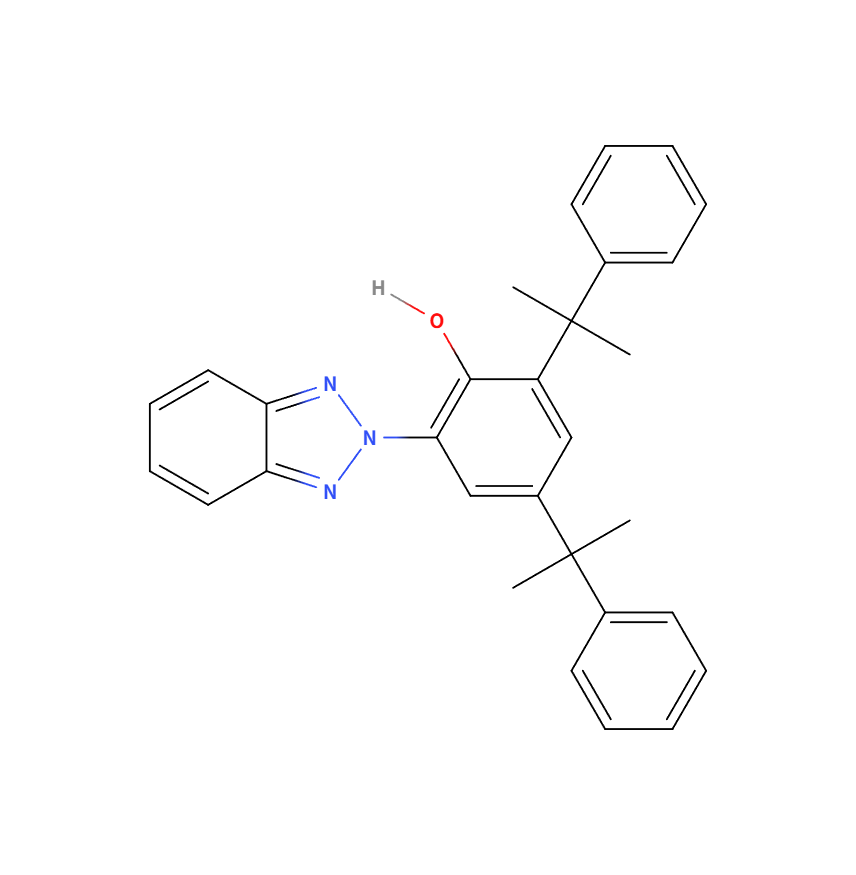
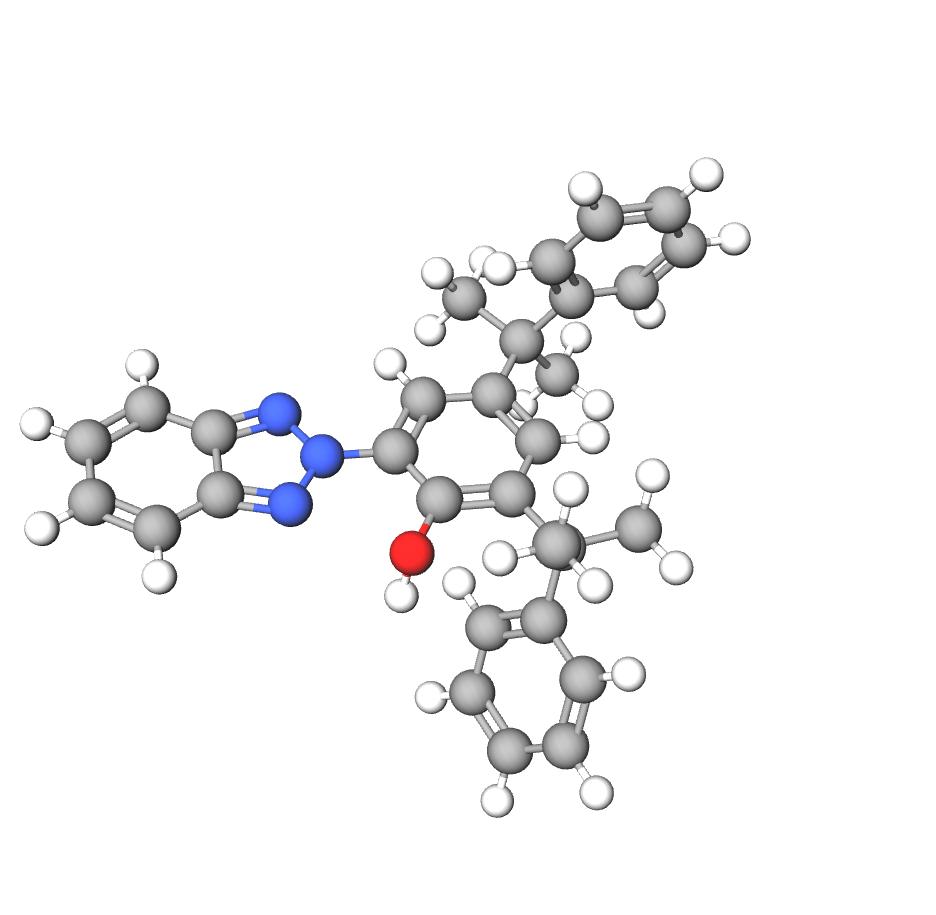
Chemical Name: 2-(2'-Hydroxy-3',5'-bis(α,α-dimethylbenzyl)phenyl)benzotriazole
Molecular Formula: C₃₄H₃₃N₃O
Molecular Weight: 447.58
 |
 |
UV-234 Benzotriazole UV Absorber: Product Introduction
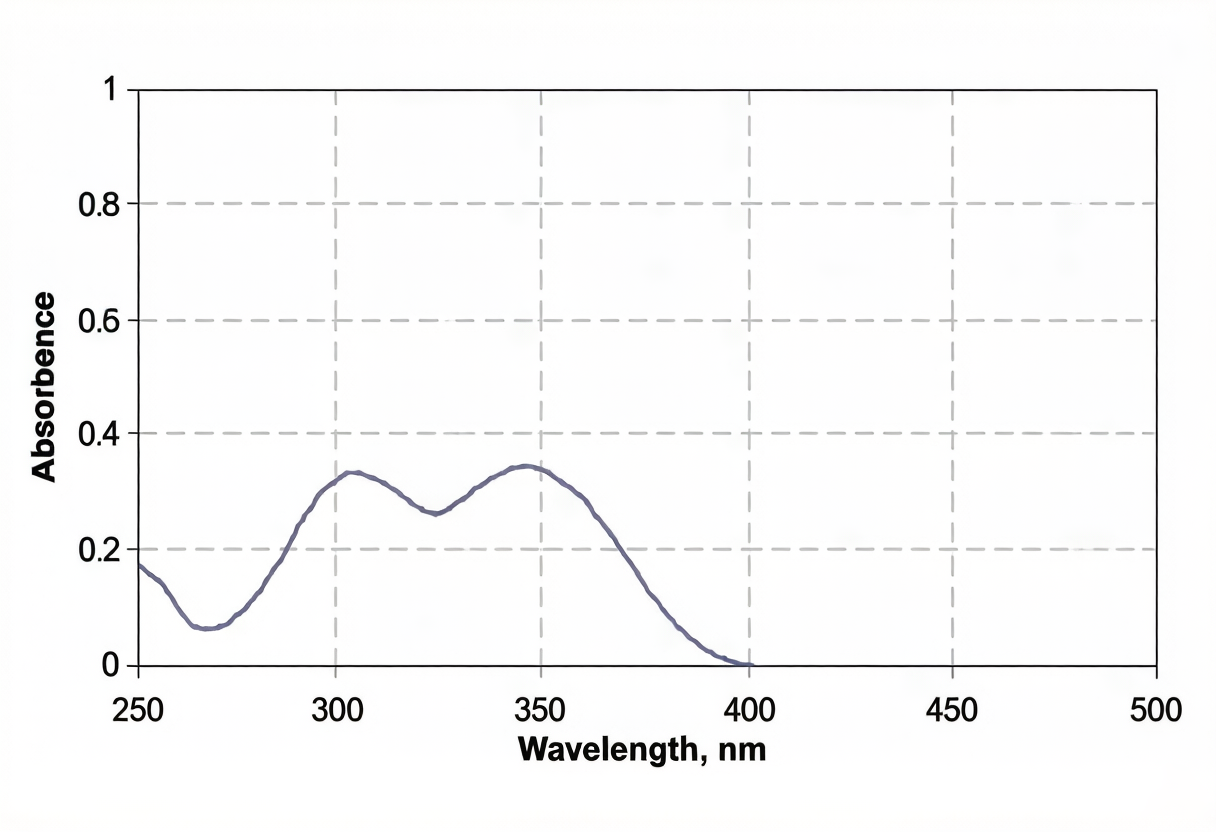
UV Absorber UV-234 is a high-efficiency UV absorber of the benzotriazole type, capable of strongly absorbing ultraviolet radiation in the range of 270-400nm (covering both UV-B and UV-A bands). Its unique molecular structure endows the product with excellent thermal stability, photostability, and broad compatibility with various polymers.
UV-234 acts as an "invisible UV barrier" within the material, converting harmful UV energy into harmless thermal energy that is subsequently released. This significantly delays issues caused by photo-oxidative aging in polymers, such as yellowing, embrittlement, and loss of mechanical properties, providing long-lasting and stable photostabilization for polymer materials.
|
Property |
Specification |
|
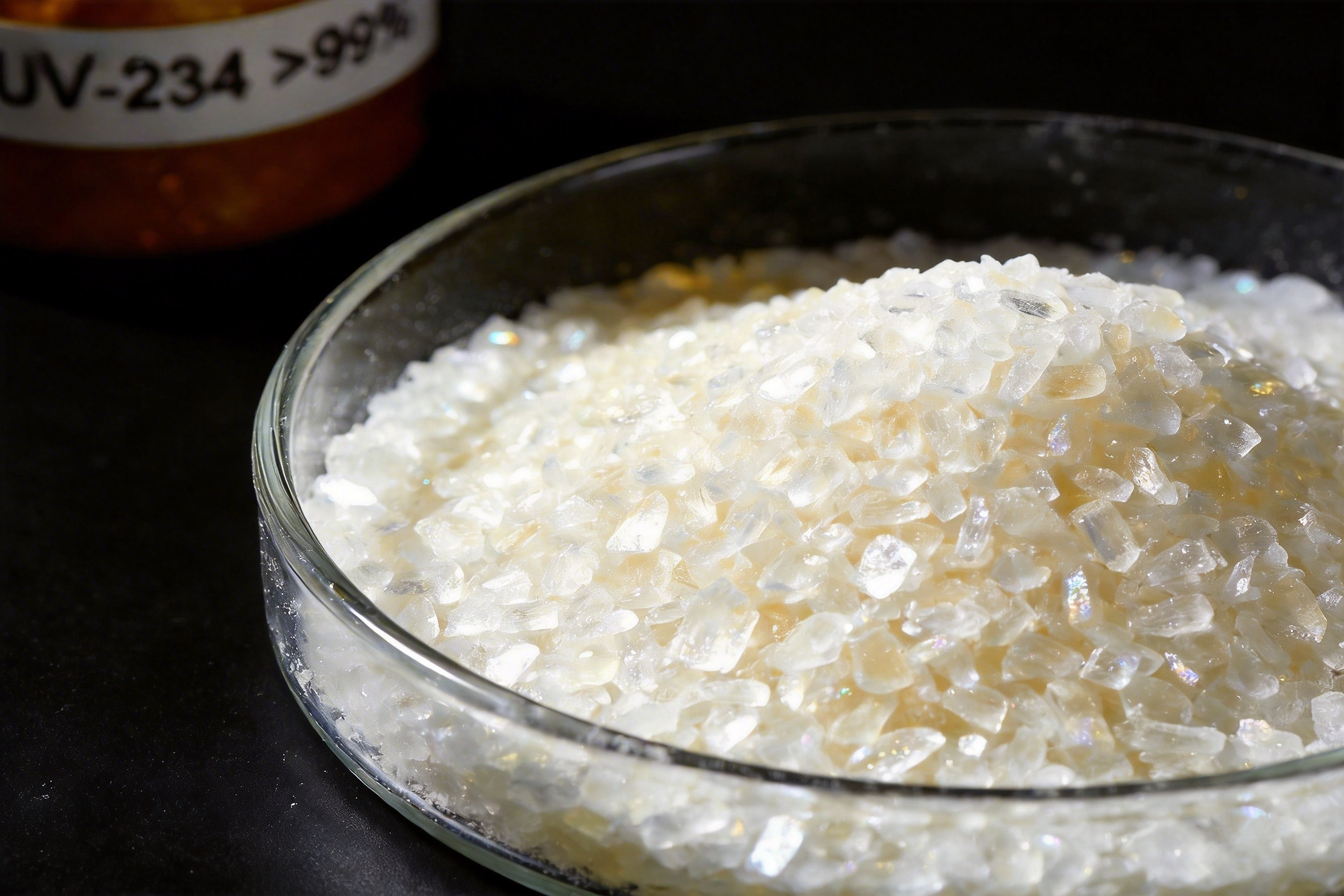
Appearance |
White to light yellow crystalline powder |
|
Melting Point |
≥139.5-141℃ |
|
Purity (HPLC) |
≥99% |
|
Transmittance |
460nm ≥97%;500nm ≥98% |
|
Volatiles |
≤0.5% |
|
Ash Content |
≤0.1% |
1. Excellent Thermal Stability
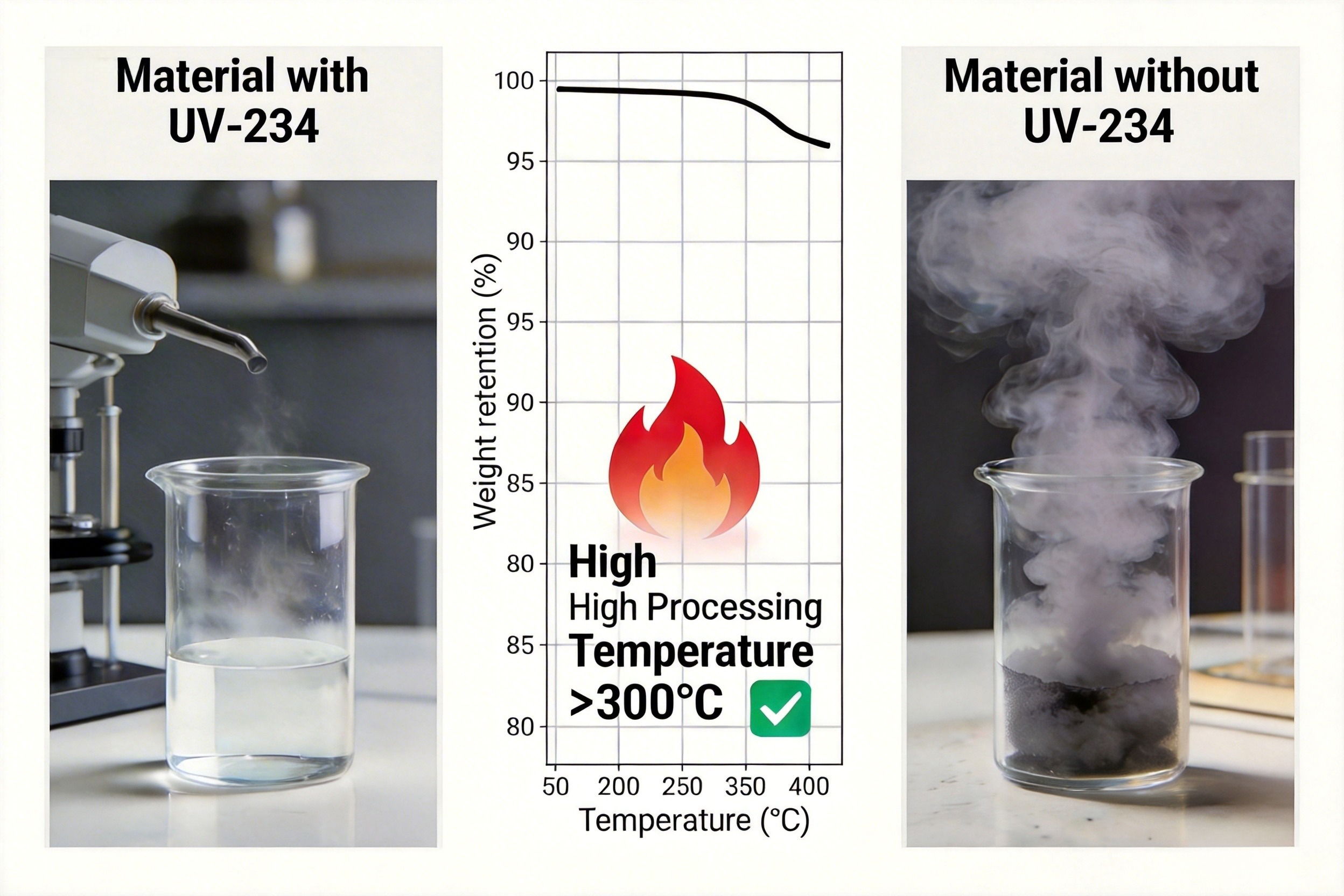
UV-234 exhibits outstanding performance under high-temperature processing conditions. Its high decomposition temperature makes it suitable for engineering plastics requiring high processing temperatures (such as PC, PA), with minimal volatilization loss during processing.
 |
 |
2. Broad Spectrum UV Absorption
Strong absorption across the entire 270-400nm UV range covers the most damaging UV region of sunlight for polymers, providing more comprehensive protection.
3. Excellent Compatibility
Good compatibility with various polymer systems including polycarbonate, polyesters, styrenic resins, and PVC. It shows minimal tendency to migrate or bloom and does not affect the transparency or color of the material.
4. Minimal Visible Light Absorption
Exhibits virtually no absorption in the visible light region, making it particularly suitable for colorless transparent and light-colored products, preserving the original optical properties and aesthetic appearance.
5. Insensitive to Metal Ions
Unaffected by metal ions that may contact the product during processing or use, preventing discoloration or performance degradation caused by metal contamination.
6. Safe and Environmentally Friendly
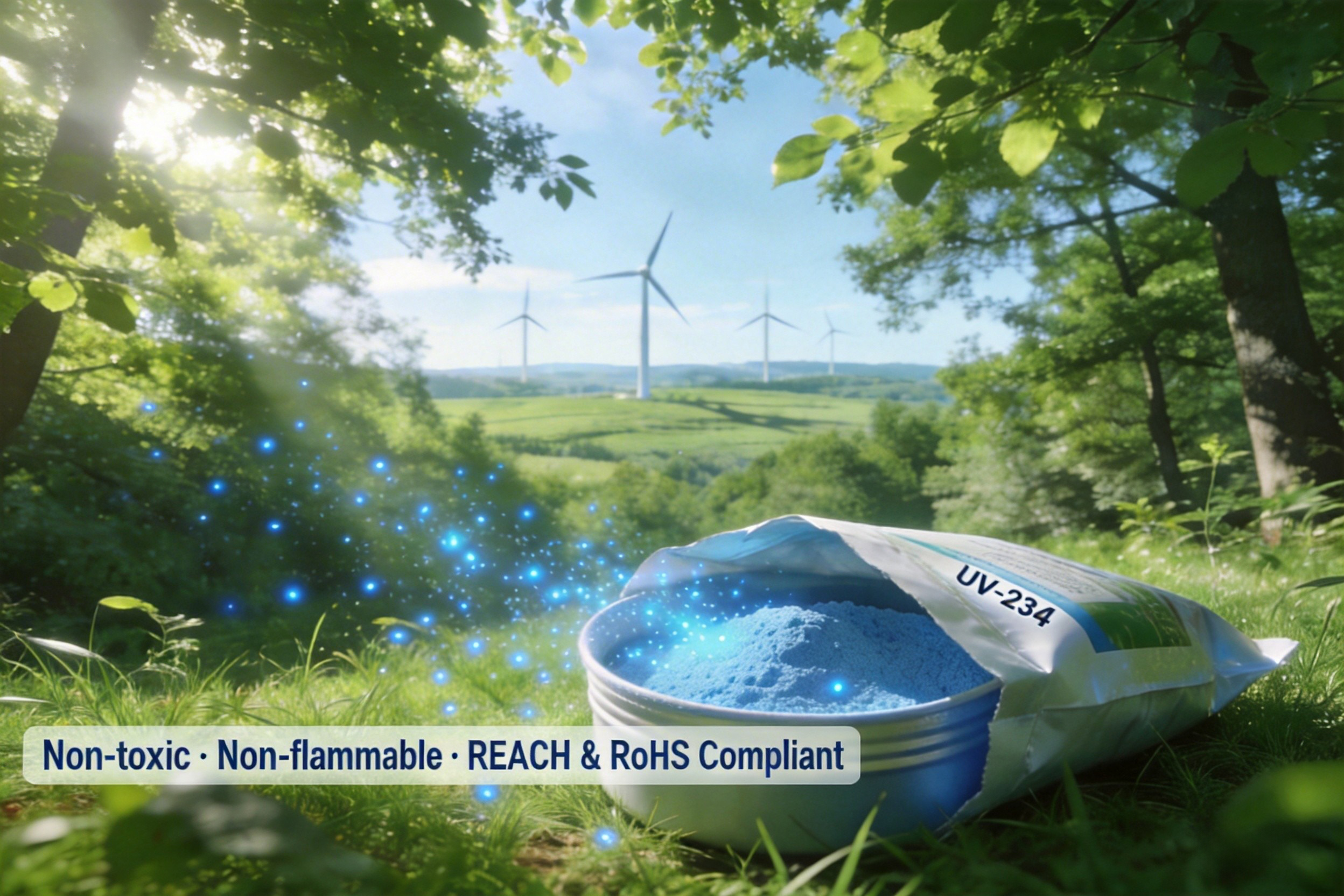
Non-toxic, odorless, non-flammable, and non-explosive. Safe to handle and meets environmental protection requirements.
7. Excellent Photostability
Maintains its structural stability under prolonged light exposure, ensuring long-lasting effectiveness without degradation from light exposure.
The following addition levels are based on total polymer weight. Optimization may be required based on specific applications and weatherability requirements:
|
Polymer Type |
Recommended Addition (wt%) |
|
Polystyrene (PS) |
0.2-0.5% |
|
ABS Resin |
0.3-0.5% |
|
High Impact Polystyrene (HIPS) |
0.5-2.0% |
|
Polyvinyl Chloride (PVC) |
0.2-0.5% |
|
Polyurethane (PU) |
0.3-1.0% |
|
Polycarbonate (PC) |
0.15-0.3% |
|
Polyacrylate (PA) |
0.15-0.3% |
|
Unsaturated Polyester |
0.2-0.4% |
Note: For long-term outdoor applications, combination with hindered amine light stabilizers (HALS) is recommended to achieve optimal comprehensive protection.
Applications: Instrument panels, door trims, seat fabrics, headlight lenses, clear coatings
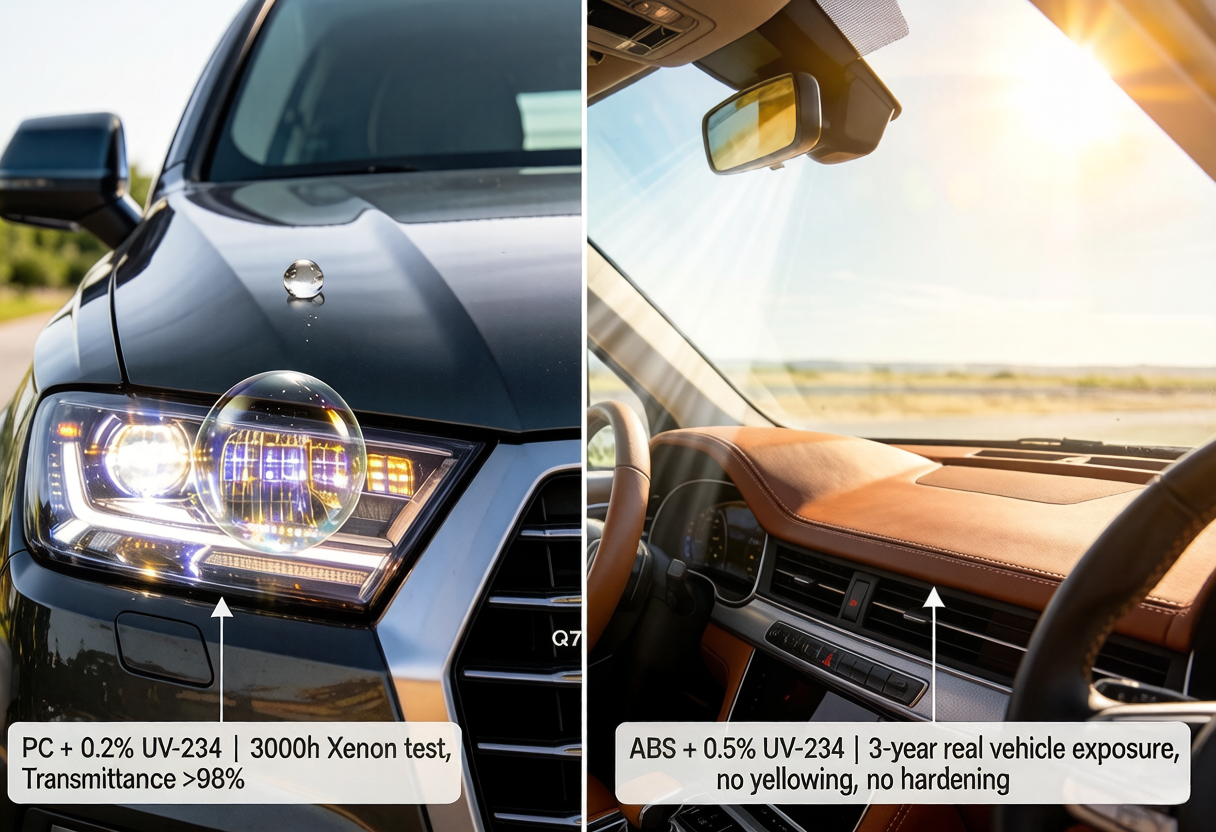
A leading international automaker added 0.2% UV-234 to polycarbonate headlight lenses for their SUV model. After 3000 hours of xenon arc weathering testing, the yellowing index (ΔYI) of the lenses was only 1/5 that of the non-stabilized sample, maintaining over 98% light transmittance. For interior applications, ABS material containing 0.5% UV-234 used in instrument panels of premium vehicles maintained excellent surface color and flexibility after three years of real-world sunlight exposure, significantly delaying hardening and fading issues.
Applications: Aircraft composite components, spacecraft coatings, optical lenses
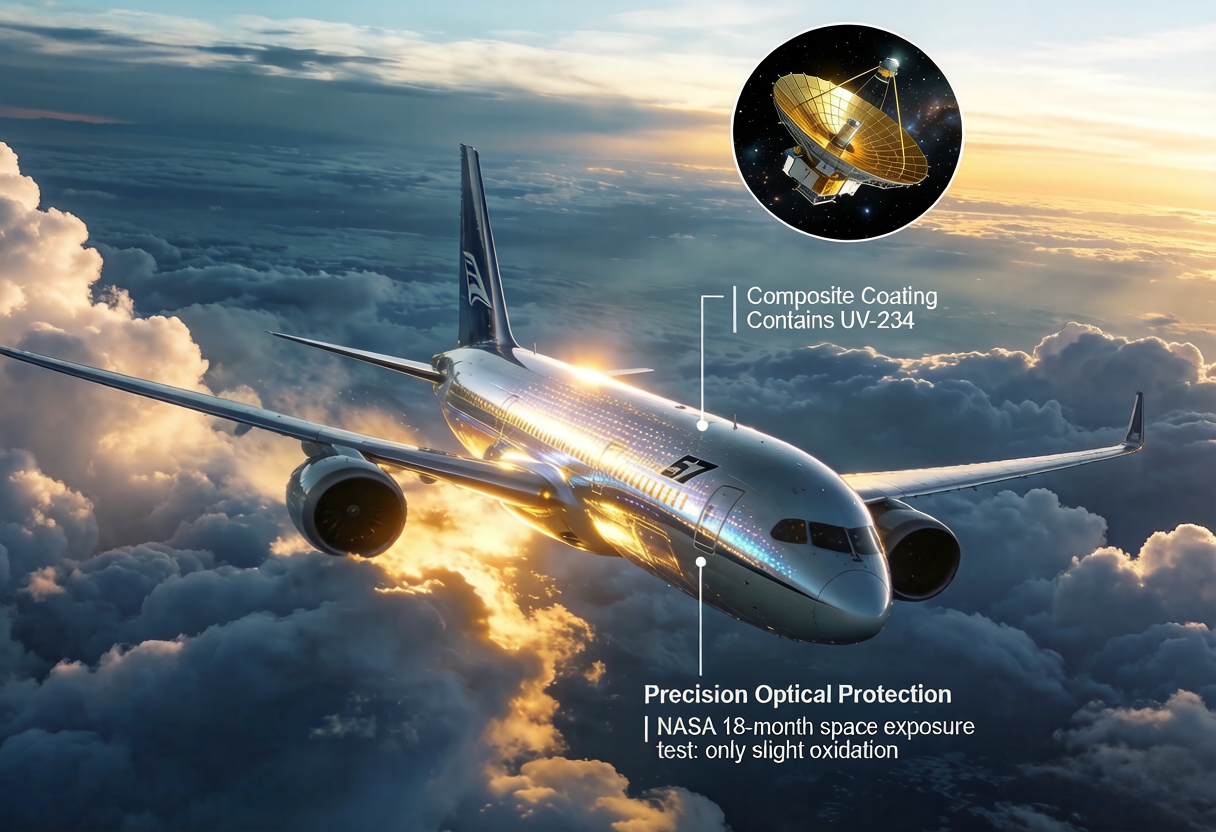
In the composite fuselage coatings of the Boeing 787, UV-234 serves as a critical light stabilizer, helping the coating resist high-altitude intense UV radiation and ensuring the aircraft maintains its appearance integrity throughout its service life. NASA simulated space environment testing showed that protective coatings containing UV-234 exhibited only slight oxidation after 18 months of continuous exposure, while the control group without UV-234 showed significant cracking and peeling.
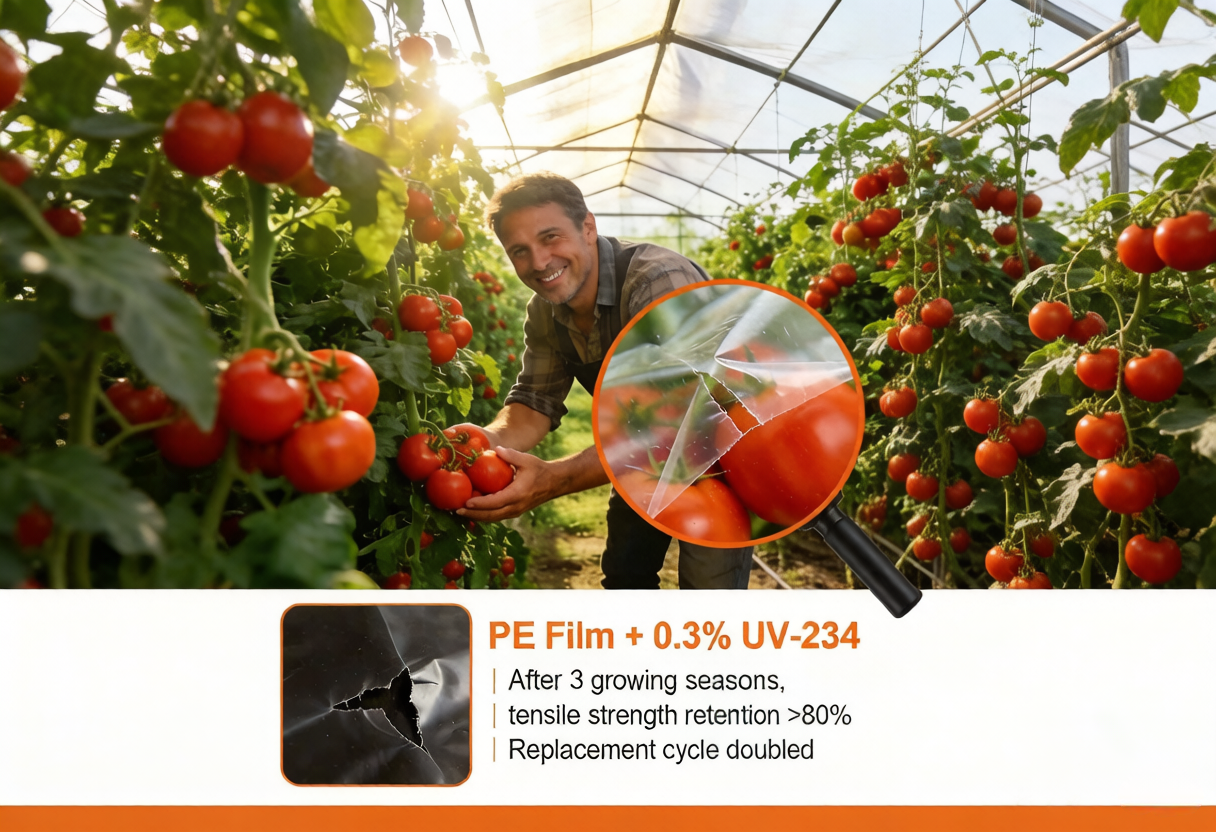
Applications: Greenhouse films, mulch films, shade nets
A tomato cultivation base in Southern Italy used PE greenhouse film containing 0.3% UV-234. After three consecutive growing seasons, the film retained over 80% of its original tensile strength, while untreated film lost nearly 60% of its strength. Farmers only needed to replace the film every three years, significantly reducing production costs. In California vineyards, black mulch film containing UV-234 extended its service life to two full growing seasons while maintaining stable moisture retention and weed suppression effects.
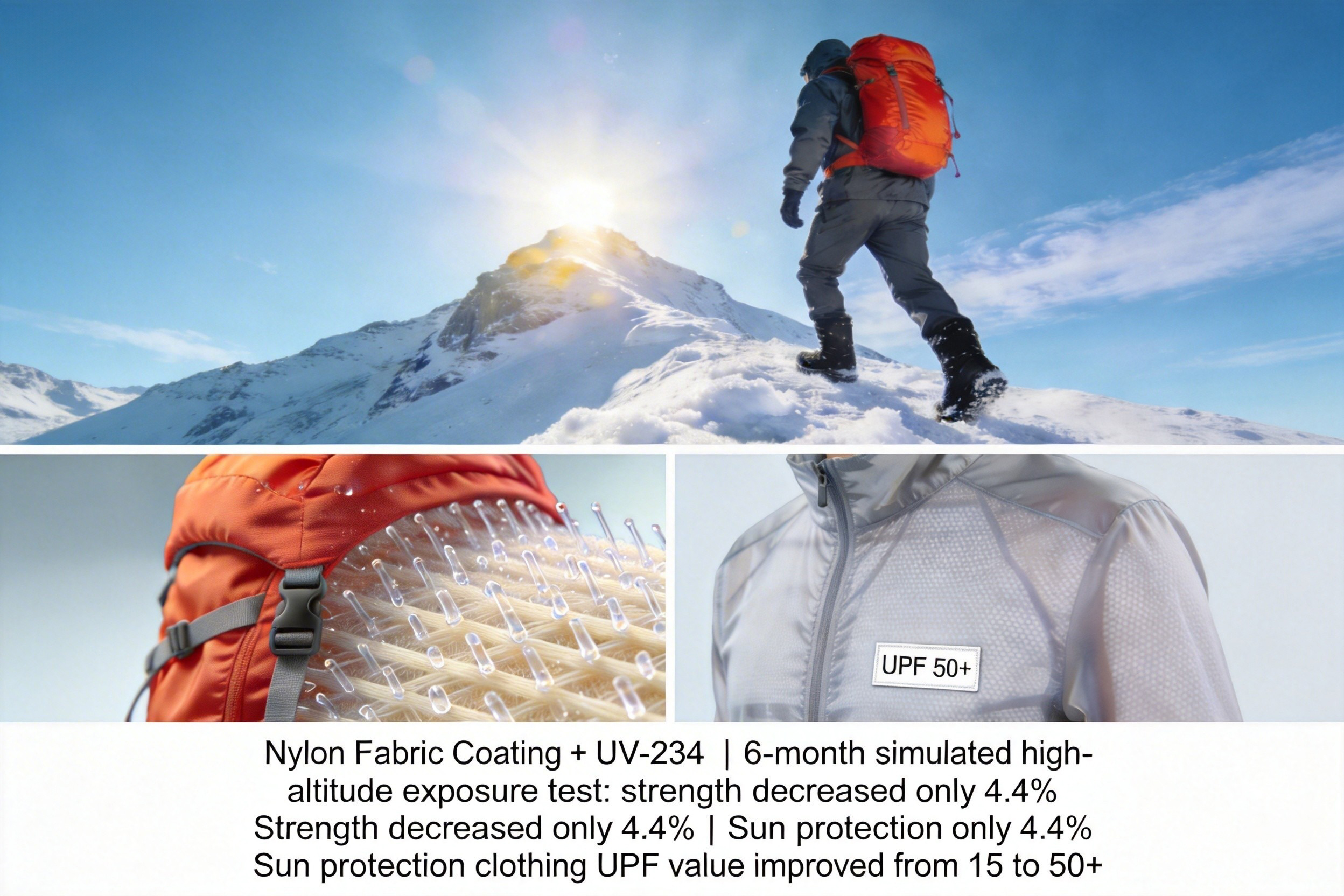
Applications: Backpacks, tents, sun-protective clothing, outdoor footwear materials
A renowned outdoor brand incorporated UV-234 into the fabric coating of professional backpacks. After six months of simulated high-altitude intense UV exposure (3 times standard UV levels), the fabric's tensile strength loss was controlled within 4.4%, and coating adhesion remained excellent. In sun-protective clothing applications, adding UV-234 via padding increased the fabric's UPF rating from 15 to 50+, achieving "excellent protection" level without affecting breathability or comfort.
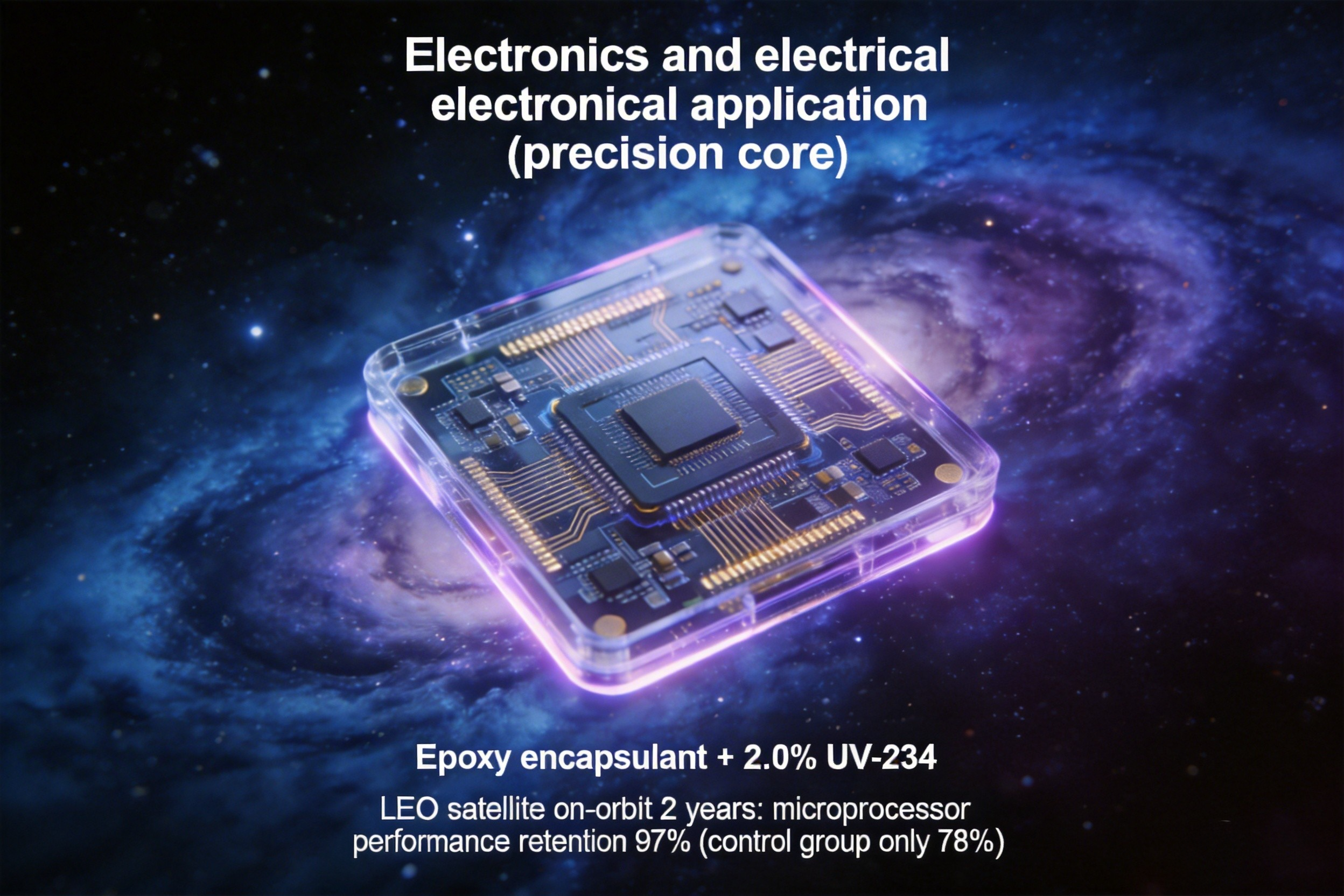
Applications: Electronic encapsulation adhesives, LED lenses, display light guide plates
In the microprocessor encapsulation of low-earth orbit communication satellites, epoxy encapsulant containing 2.0% UV-234 was used. After two years in orbit, the microprocessors maintained 97% of their initial performance, compared to only 78% retention in the control group without UV-234, fully demonstrating UV-234's long-term protective capability in extreme environments.
6. High-Performance Coatings and Inks – Keeping Colors Vibrant Longer
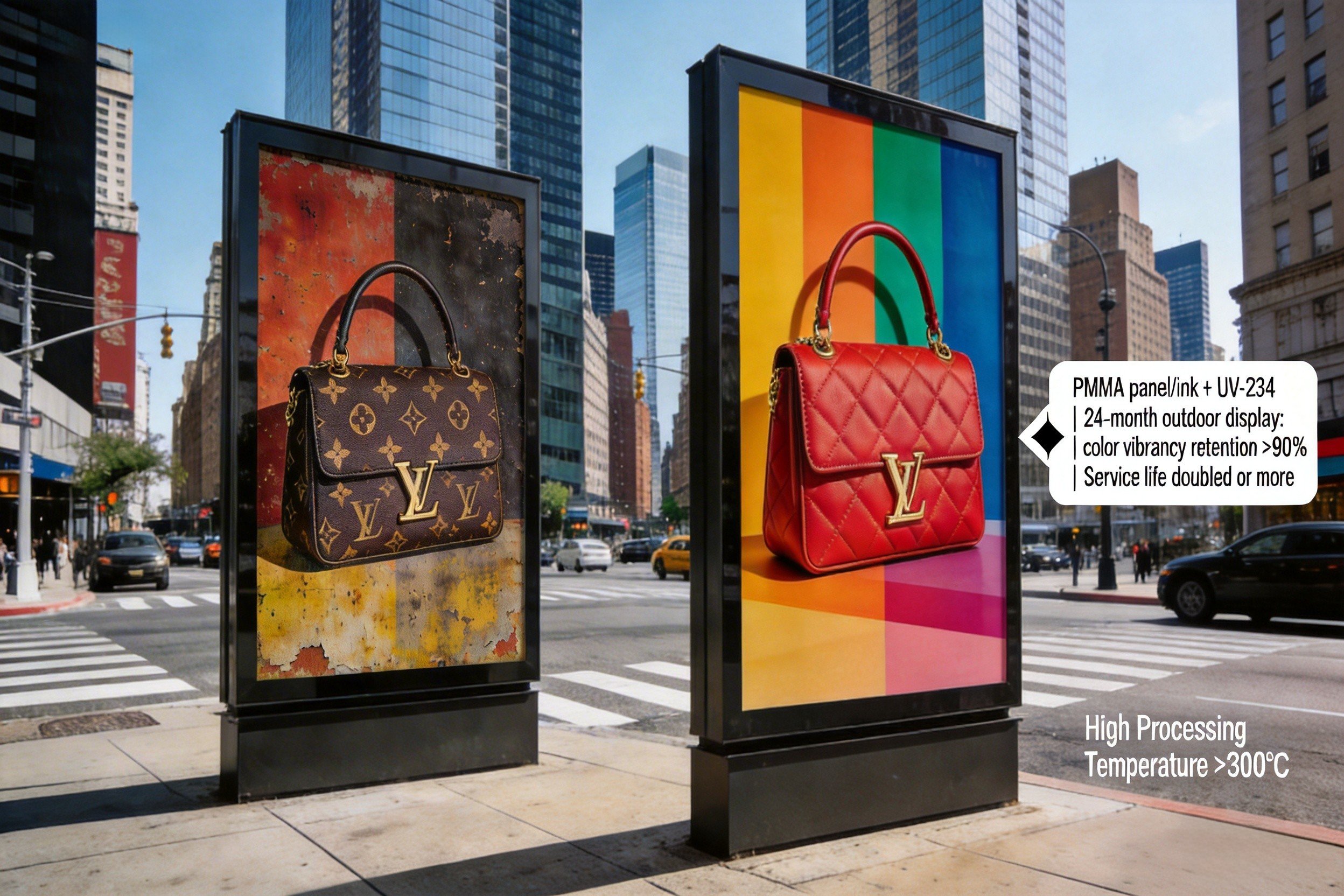
Applications: Outdoor billboards, coil coatings, wood varnishes, printing inks
A major outdoor advertising company incorporated UV-234 into their PMMA advertising panels. After 24 months of continuous outdoor display, the panels maintained over 90% of their original color vibrancy, with no yellowing or embrittlement at the edges, more than doubling the service life compared to standard panels.
1. Safety Profile
Non-toxic and safe to handle; non-irritating to skin;
Non-flammable and non-explosive; stable under normal storage conditions;
Compliant with EU REACH, RoHS, and other environmental regulations.
2. Storage Conditions
Store in a cool, dry, and well-ventilated area;
Avoid direct sunlight and high temperatures;
Keep container tightly sealed to prevent moisture absorption.
3. Handling Recommendations
Use high-intensity mixing equipment to ensure uniform dispersion Combination with hindered amine light stabilizers (HALS) provides enhanced performance.
Optimal dosage should be determined based on product thickness, end-use environment, and required service life.
UV Absorber UV-234, with its excellent thermal stability, broad-spectrum absorption, and superior compatibility with polymer materials, has become an indispensable functional additive in industries ranging from automotive and aerospace to agricultural materials and outdoor equipment. It is more than just a simple additive; it is a critical functional material that guards the "youth" and "health" of products.
Choose UV-234 to build an invisible yet impenetrable UV protection barrier for your products.
Frequently Asked Questions (FAQ)
Q1: What is the difference between UV-234 and UV-326?
A: UV-234 offers higher thermal stability (decomposition temperature >300°C) making it suitable for engineering plastics like PC and PA that require high processing temperatures, while UV-326 is better suited for polyolefins like PE and PP.
Q2: Can UV-234 be used in transparent products?
A: Yes. UV-234 has minimal absorption in the visible light region, making it ideal for clear transparent and light-colored products without affecting their optical properties.
Q3: What is the recommended combination with HALS?
A: For long-term outdoor applications, UV-234 is often combined with hindered amine light stabilizers (HALS) to achieve synergistic protection against both UV degradation and thermal oxidation.
Q4: Is UV-234 compliant with environmental regulations?
A: Yes. UV-234 is non-toxic, non-hazardous, and complies with EU REACH, RoHS, and other major environmental regulations.
Q5: How should UV-234 be stored?
A: Store in a cool, dry, well-ventilated area away from direct sunlight and high temperatures. Keep containers tightly sealed to prevent moisture absorption.
Q6: What is the CAS number of UV-234?
A: The CAS number for UV-234 is 70321-86-7.
Contact Us
For more product information or to request samples, please feel free to contact us. Our technical team will provide professional formulation optimization advice and comprehensive technical support.
Data presented in this document is based on laboratory testing and published literature. Actual results may vary depending on processing conditions and end-use environment. End-users are advised to conduct adequate testing to determine optimal formulations for their specific applications.
 EN
EN