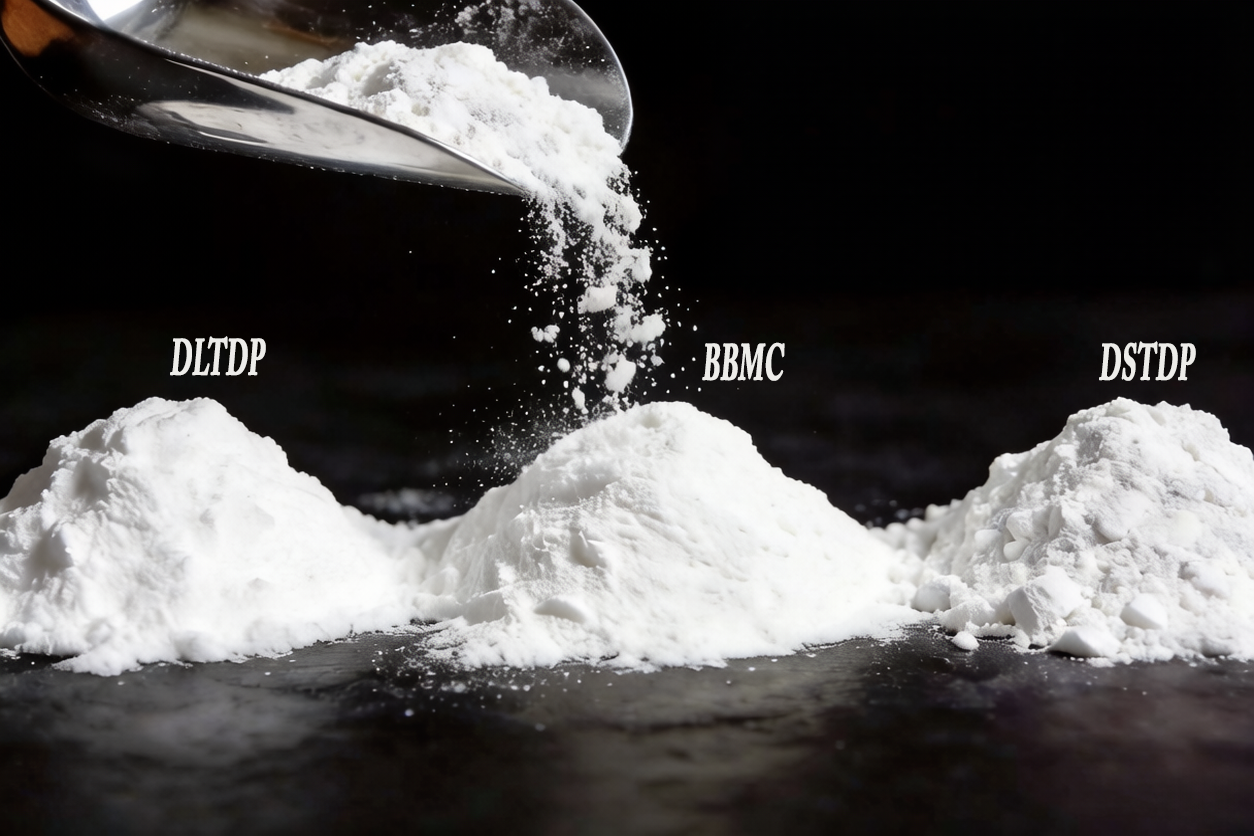
Antioxidant BBMC (4,4'-butylidenebis(6-tert-butyl-3-methylphenol)), CAS No. 85-60-9, is a bisphenolic hydroxylated hindered phenolic antioxidant with dual functions as both an antioxidant and light stabilizer, playing an important role in the rubber and polymer industries. This article provides a comprehensive introduction to this important industrial additive from the aspects of chemical properties, mechanism of action, application fields, safety characteristics, and usage recommendations.
![]() |
![]() |
I. Chemical Structure and Basic Properties
1.1 Basic Chemical Information
The chemical name of Antioxidant BBMC is 4,4'-butylidenebis(6-tert-butyl-3-methylphenol), also known as 4,4'-butylidenebis(6-tert-butyl-m-cresol). Its molecular formula is C₂₆H₃₈O₂, with a molecular weight of approximately 382.58 g/mol.
1.2 Physicochemical Properties
Appearance: White crystalline or powder, ranging from white to nearly white in color
Melting Point: 208-212°C
Boiling Point: Approximately 469.7°C (estimated)
Flash Point: 196.8°C
Density: Approximately 0.96 g/cm³
Vapor Pressure: Approximately 0Pa at 25°C
Refractive Index: 1.4875 (estimated)
Solubility: Soluble in methanol, ethanol, ethyl acetate, acetone and other organic solvents; almost transparent in methanol; insoluble in water (water solubility only about 4μg/L at 20°C)
Acid Coefficient (pKa): 10.44±0.20 (predicted)
1.3 Structural Features
The BBMC molecule possesses two sterically hindered phenolic structural units connected through a butylidene bridge to form a symmetrical molecular structure. This special bisphenolic hydroxylated hindered phenolic structure endows it with excellent free radical scavenging capability and thermal stability, enabling it to maintain antioxidant activity under high-temperature processing conditions.
II. Mechanism of Action
2.1 Antioxidant Mechanism
The antioxidant mechanism of Antioxidant BBMC is primarily based on the phenolic hydroxyl groups in its molecular structure. The phenolic hydroxyl groups can donate hydrogen atoms, preferentially reacting with free radicals in the polymer system to form relatively stable free radical intermediates, thereby interrupting chain oxidation reactions and protecting polymer molecular chains from oxidative damage.
The specific process is as follows:
Free Radical Scavenging: When polymers generate free radicals (such as alkyl radicals R·) during processing or use, the phenolic hydroxyl groups of BBMC can donate hydrogen atoms to generate stable phenoxyl radicals.
Chain Reaction Interruption: The generated phenoxyl radicals are relatively stable and unlikely to initiate further chain reactions, effectively preventing oxidative degradation of the polymer.
Metal Ion Complexation: BBMC also has metal ion passivation function, capable of complexing with metal ions that catalyze oxidation, inhibiting metal ion-catalyzed oxidation and further enhancing antioxidant effectiveness.

2.2 Light Stabilization
In addition to antioxidant function, BBMC also has light stabilizer properties. In photoresist systems, it can effectively prevent oxidative degradation caused by light exposure, making it particularly suitable for applications requiring light resistance.
III. Main Characteristics and Advantages
3.1 Excellent Thermal Stability
BBMC has high thermal stability, remaining effective at high temperatures of 200°C, and only begins to decompose when heated above 300°C in inert atmospheres. It maintains good antioxidant performance in polymer systems processed below 250°C (such as polyethylene and polypropylene). However, when processing temperature exceeds 280°C, the phenolic hydroxyl groups may oxidize and discolor, leading to reduced antioxidant efficiency. Therefore, processing temperature should be controlled to avoid prolonged heat exposure.

3.2 Non-contaminating and Non-discoloring
As a non-contaminating antioxidant, BBMC has low toxicity and low volatility with small blooming tendency. It will not contaminate polymer products or cause product discoloration. This characteristic makes it particularly suitable for white and light-colored products with stringent color requirements.
3.3 Good Compatibility
BBMC has good compatibility with non-polar polymers such as polyethylene and polypropylene, with minimal migration and precipitation, maintaining system stability during storage and use.
3.4 Significant Synergistic Effect
BBMC exhibits good synergistic effects when used in combination with thioester antioxidants (such as DLTDP, DSTDP, etc.) and phosphite antioxidants, significantly improving the antioxidant performance of system.

3.5 Multifunctionality
With dual functions as both antioxidant and light stabilizer, it can simultaneously protect against aging caused by various factors such as heat, oxygen, and light.
3.6 Food Contact Certification Advantage
It is worth noting that Antioxidant BBMC has obtained approval from the U.S. Food and Drug Administration (FDA) for use in high-demand applications involving indirect food contact. This provides important safety assurance for its application in food packaging materials and other fields, further expanding its application range.
IV. Application Fields
4.1 Rubber Industry
BBMC is widely used as an antioxidant for synthetic and natural rubbers, capable of effectively protecting natural and synthetic rubbers from thermal-oxidative aging, photo-aging, and ozone aging, preventing rubber color changes under light exposure. It is particularly suitable for white and colored rubber products, with typical usage levels of 0.5%-5.0%.
In the rubber industry, BBMC is often used in combination with other antioxidants to exert synergistic effects. For example, when used in combination with amine antioxidants, it can simultaneously improve the anti-ozone aging and anti-thermal-oxidative aging performance of rubber, making it suitable for rubber products used under dynamic conditions such as tires and seals.
4.2 Plastics Industry
Polyolefins: Used as a heat and light stabilizer for polyethylene (PE) and polypropylene (PP), with typical usage levels of 0.01%-0.5%. BBMC can significantly improve the heat resistance and oxidation resistance of polyolefins, extending the service life of products. In polypropylene products, BBMC can effectively prevent polypropylene from yellowing due to oxidation during processing and use, maintaining the appearance and mechanical performance stability of the products.
Engineering Plastics: Suitable for various engineering plastics including polyamide (PA), ABS resins, SBS resins, polyvinyl chloride (PVC), polyoxymethylene, etc. When used in combination with polyamides, organotin compounds, dilauryl thiodipropionate, and phosphites, the effects are even better. In ABS resins, BBMC not only improves the thermal stability of the material but also reduces thermal degradation of the material during injection molding, ensuring consistent product quality.
4.3 Adhesives
Used as an antioxidant for rubber products and adhesives to prevent oxidative degradation of adhesives during storage and use. In pressure-sensitive adhesives, BBMC can improve the oxidation resistance of adhesives, extend their storage life and service period, while maintaining the tackiness and performance stability of the adhesives.

4.4 Cable Products
Due to its metal ion passivation function, BBMC is particularly applied in polyolefin cable products to protect cable materials from oxidation and metal-catalyzed effects. During long-term use, cables are subject to environmental factors such as moisture, oxygen, and ultraviolet radiation. The addition of BBMC can effectively delay the aging rate of cable sheath materials, improve cable service life and reliability. In high-voltage cables, the metal ion passivation function of BBMC is particularly important, as it can inhibit the effects of metal ions on cable insulation performance, ensuring safe cable operation.

4.5 Photoresists
In photoresist systems, BBMC can effectively prevent performance deterioration of photoresists caused by oxidation during storage and use, inhibit auto-oxidation reactions caused by heat and light, extend the service life of photoresists and maintain pattern accuracy. In semiconductor manufacturing processes, photoresist performance directly affects chip quality and resolution. The use of BBMC can improve the stability and anti-aging performance of photoresists, meeting the requirements of high-precision chip manufacturing.
4.6 Chemical Fibers
Used as a heat stabilizer in the chemical fiber industry, particularly for polyamide fibers, with typical usage levels of 0.1%-0.5%. Polyamide fibers are susceptible to thermal and oxidative degradation during spinning and processing. BBMC can effectively reduce fiber degradation, improve fiber strength and toughness, and enhance the processing performance and service performance of fibers.
4.7 Food Packaging Materials
Benefiting from its FDA approval, BBMC also has broad application potential in the field of food packaging materials. In plastic packaging materials for food contact, BBMC can provide safe and effective antioxidant protection, preventing oxidative degradation of packaging materials during processing and storage while ensuring food safety and hygiene. Common applications include food cling films, plastic containers, beverage bottles, and other food packaging products.

V. Usage Methods and Recommendations
5.1 Addition Levels
Depending on the application field and product requirements, the recommended addition levels of BBMC vary:
Rubber products: 0.5%-5.0%
Polyolefins: 0.01%-0.5%
Polyamide fibers: 0.1%-0.5%
Cable products: 0.05%-0.5%
General polymer systems: 0.1%-0.5%
5.2 Combined Use
To achieve optimal antioxidant effects, it is recommended to use BBMC in combination with other antioxidants:
Combined with thioester antioxidants (such as DLTDP, DSTDP) to enhance long-term thermal stability
Combined with phosphite antioxidants to improve processing stability
Used in combination with UV absorbers to simultaneously improve weather resistance
5.3 Processing Precautions
Control processing temperature below 250°C to avoid prolonged high temperatures causing oxidation and discoloration of phenolic hydroxyl groups
Ensure thorough mixing to evenly disperse the antioxidant in the polymer matrix
Pay attention to storage environment, avoiding high temperatures, humidity, and direct sunlight
VI. Safety Characteristics and Storage
6.1 Safety Information
Toxicological Properties: Toxicity classification is low toxicity. Rat oral LDL₀ is 17,000 mg/kg, indicating low acute toxicity.
Hazard Classification: Risk terms 36/37/38 - Irritating to eyes, respiratory system, and skin
Safety Measures:
S26: In case of contact with eyes, rinse immediately with plenty of water and seek medical advice
S36/37/39: Wear suitable protective clothing, gloves, and eye/face protection
Flammability: Emits toxic and irritating smoke upon thermal decomposition
Extinguishing Agents: Water, dry powder, carbon dioxide, foam
6.2 Storage Conditions
Should be stored in a cool, well-ventilated warehouse, avoiding high temperatures and humidity
Pay attention to waterproofing and moisture protection during storage and transportation
When stored properly in dry areas below 25°C, the shelf life is approximately two years.
Packaging specifications typically use aluminum-plastic composite bags, net weight 25 kg

6.3 Operational Precautions
Use in accordance with operating procedures, avoid contact with skin, eyes, and clothing
Avoid inhalation of dust or gas, use appropriate protective equipment
Workplaces should be equipped with adequate ventilation systems
Avoid contact with strong oxidizers and flammable materials
VII. Market Supply and Quality Standards
7.1 Quality Standards
Common quality standards for commercially available Antioxidant BBMC are as follows:
Appearance: White crystalline or powder
Purity: ≥99.0%
Melting point: 208-212°C
Ash content: ≤0.1%
Volatile matter: ≤0.15%-0.3%
Transmittance (425nm): ≥95%
Transmittance (500nm): ≥97%
7.2 Packaging and Supply
Packaging specifications are diverse, including 10g, 25g, 100g, 500g, 1kg, 5kg, 25kg, etc., to meet the needs of different users. Multiple chemical companies in China produce and supply Antioxidant BBMC, with stable product quality meeting industrial application requirements.
VIII. Conclusion
As an efficient, multifunctional hindered phenolic antioxidant, Antioxidant BBMC has found widespread application in multiple industrial fields including rubber, plastics, adhesives, cables, food packaging, etc., thanks to its excellent thermal stability, non-contaminating and non-discoloring properties, good compatibility, and significant synergistic effects. With continuously increasing requirements for material performance, BBMC will continue to play an important role in improving the anti-aging performance of polymer products and extending their service life.
When using BBMC, addition levels should be reasonably selected according to specific application scenarios and performance requirements, and it should be used in combination with other antioxidants to achieve optimal antioxidant effects. Meanwhile, strict adherence to safety operating procedures to ensure storage and use safety is an important guarantee for realizing its industrial value.
Through in-depth understanding and rational application of Antioxidant BBMC, the quality and performance of polymer products can be effectively improved to meet increasingly stringent industrial application requirements.