
 EN
EN
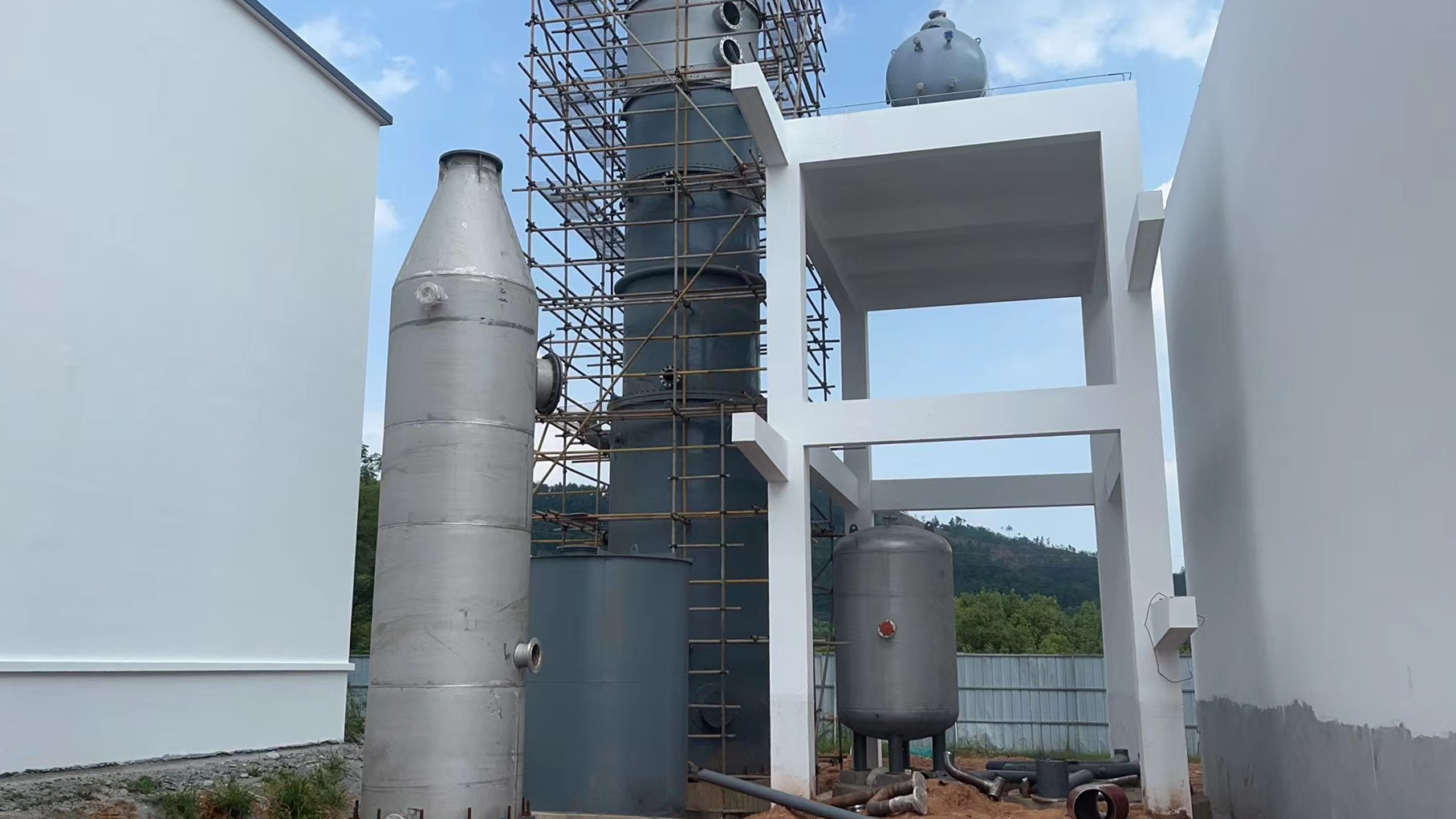
Catalytic Oxidation of Methanol: Core Formaldehyde Synthesis Pathways
Silver Catalyst Process: Reaction Mechanism and Industrial Dominance
Around 90 percent of all formaldehyde produced worldwide comes from the silver catalyst process because it works so well in converting materials just once through the system and handles operations pretty reliably. When using this approach, methanol vapor combines with oxygen on top of silver crystals at temperatures between roughly 600 degrees Celsius and 720 degrees Celsius following this main reaction path: CH3OH plus half O2 becomes HCHO plus H2O. Keeping temperatures tightly controlled helps stop things from getting too oxidized, which results in about 85 to maybe even 92 percent formaldehyde output while keeping unwanted stuff like formic acid and carbon dioxide to a minimum. Why does this method rule the industry? Well, there are basically three main reasons behind its popularity:
- Rapid reaction kinetics, enabling compact reactor designs
- Tolerance to trace impurities in commercial-grade methanol feedstock
- Extended catalyst service life—typically 3–6 months—reducing downtime and maintenance costs
Metal Oxide Catalyst Process: Energy Efficiency vs. Byproduct Management
Metal oxide catalysts, especially those combining iron oxide with molybdenum trioxide, work at much lower temperatures around 300 to 400 degrees Celsius. This cuts down on energy usage by roughly 15 to 20 percent when compared to traditional silver based systems. The downside though? When we run these reactions at lower heat levels, there's actually an increase in carbon dioxide production, sometimes as high as 8%. Managing those extra emissions becomes a bigger challenge for plant operators. To handle this issue, most facilities implement several control measures downstream. They typically install multiple stage absorption towers to capture any leftover methanol that didn't react properly. Advanced oxidation equipment helps break down formic acid byproducts, while continuous monitoring systems track the ratio between formaldehyde and CO2 output. These adjustments allow plants to tweak their air to methanol mixtures in real time. Smaller operations or those really concerned about energy costs find this approach particularly beneficial. After all, energy often accounts for over 40% of their overall running costs according to data collected by the International Council of Chemical Associations back in 2022.
Reactor Design Evolution for High-Yield Formaldehyde Production
Thermal Management in Fixed-Bed Reactors and Catalyst Lifetime Optimization
Fixed bed reactors are still the mainstay for making formaldehyde, but problems arise when heat isn't evenly distributed between 600 and 700 degrees Celsius. This leads to hot spots forming in certain areas which speeds up catalyst breakdown and makes them stop working properly. A big European manufacturer reported field data showing that units with poor temperature control experience catalyst wear at 30% higher rates. The Ponemon Institute estimated this results in around $740,000 per year spent replacing worn out catalysts back in 2023. Today's thermal management approaches include multiple stage cooling steps and injecting air strategically throughout different reaction sections. These improvements bring down maximum temperatures by roughly 120 to 150 degrees Celsius without affecting how well reactions proceed, giving catalysts a lifespan of 12 to 18 months instead of just 9 months previously. What's really important too is that these stable temperature conditions slash unwanted methanol oxidation byproducts by about 15 to 20 percent, which means better quality formaldehyde output overall.
Microchannel Reactors: Enhancing Selectivity and Safety in Formaldehyde Synthesis
The microchannel reactor technology marks a real game changer compared to traditional fixed bed systems. Instead of relying on large reaction chambers, these reactors feature thousands of tiny parallel channels measuring under 1 mm across. The result? Heat gets dissipated about 40 to 60 percent quicker than conventional methods. What makes this design so effective is its ability to maintain temperatures right around the sweet spot between 550 and 650 degrees Celsius. That's hot enough to get good catalytic reactions going but stays well below where formaldehyde starts breaking down at roughly 680 degrees. Early tests show these systems achieve better than 98.5% selectivity when converting methanol, which means significantly fewer unwanted byproducts like formic acid and carbon monoxide forming during production. Safety remains a major advantage too. Each reactor module only handles less than 5 liters of active reaction volume at any given time. Plus there are built-in pressure release membranes that stop dangerous pressure buildup before it becomes an issue. For companies needing steady, high quality output especially those serving the resin market segment microchannel reactors offer about 20% improvement in space time yields without having to load up on extra catalyst material.
Purification, Stabilization, and Quality Assurance for Commercial Formaldehyde
Condensation—Absorption Integration to Achieve ≥99.5% Purity for Resin-Grade Formaldehyde
Resin-grade formaldehyde demands exceptional purity—≥99.5% formaldehyde content—with strict limits on water, residual methanol (<0.5%), and formic acid (<0.02%). The industry-standard condensation—absorption integration achieves this through tightly coupled unit operations:
- Condensation Stage: Hot reactor effluent is rapidly cooled to 40–60°C, condensing water and excess methanol while retaining formaldehyde in the vapor phase.
- Absorption Enhancement: Formaldehyde gas is absorbed into counterflowing aqueous solution in packed towers, concentrating formaldehyde while stripping inert gases and light volatiles. Tower temperature is maintained at 80–85°C to maximize solubility and suppress paraformaldehyde precipitation.
- Stabilization: Trace acidic impurities—primarily formic acid—are neutralized with controlled alkaline addition (e.g., NaOH or MgO), preventing autocatalytic polymerization during storage and transport.
Final quality assurance includes gas chromatography for impurity profiling, titration for formaldehyde concentration verification, and turbidity testing to detect early-stage polymerization. Continuous inline monitoring ensures consistency critical for urea-formaldehyde and phenol-formaldehyde resin synthesis—where even minor impurity shifts impair crosslinking kinetics, gel time, and final product durability.
FAQ
What are the advantages of using silver catalysts in formaldehyde production?
The silver catalyst process is highly efficient with rapid reaction kinetics, tolerance to impurities in methanol, and extended catalyst service life, which leads to reduced downtime and maintenance costs.
How do microchannel reactors enhance formaldehyde synthesis?
Microchannel reactors enhance synthesis by offering better heat dissipation, maintaining optimal temperatures, and improving selectivity to better than 98.5%, while also enhancing safety with built-in pressure release systems.
Why is high purity important for resin-grade formaldehyde?
High purity (≥99.5% formaldehyde content) is crucial for resin-grade formaldehyde to ensure the crosslinking kinetics, gel time, and stability needed in resin synthesis processes, and to avoid issues like impurity shifts and early-stage polymerization.