
 EN
EN
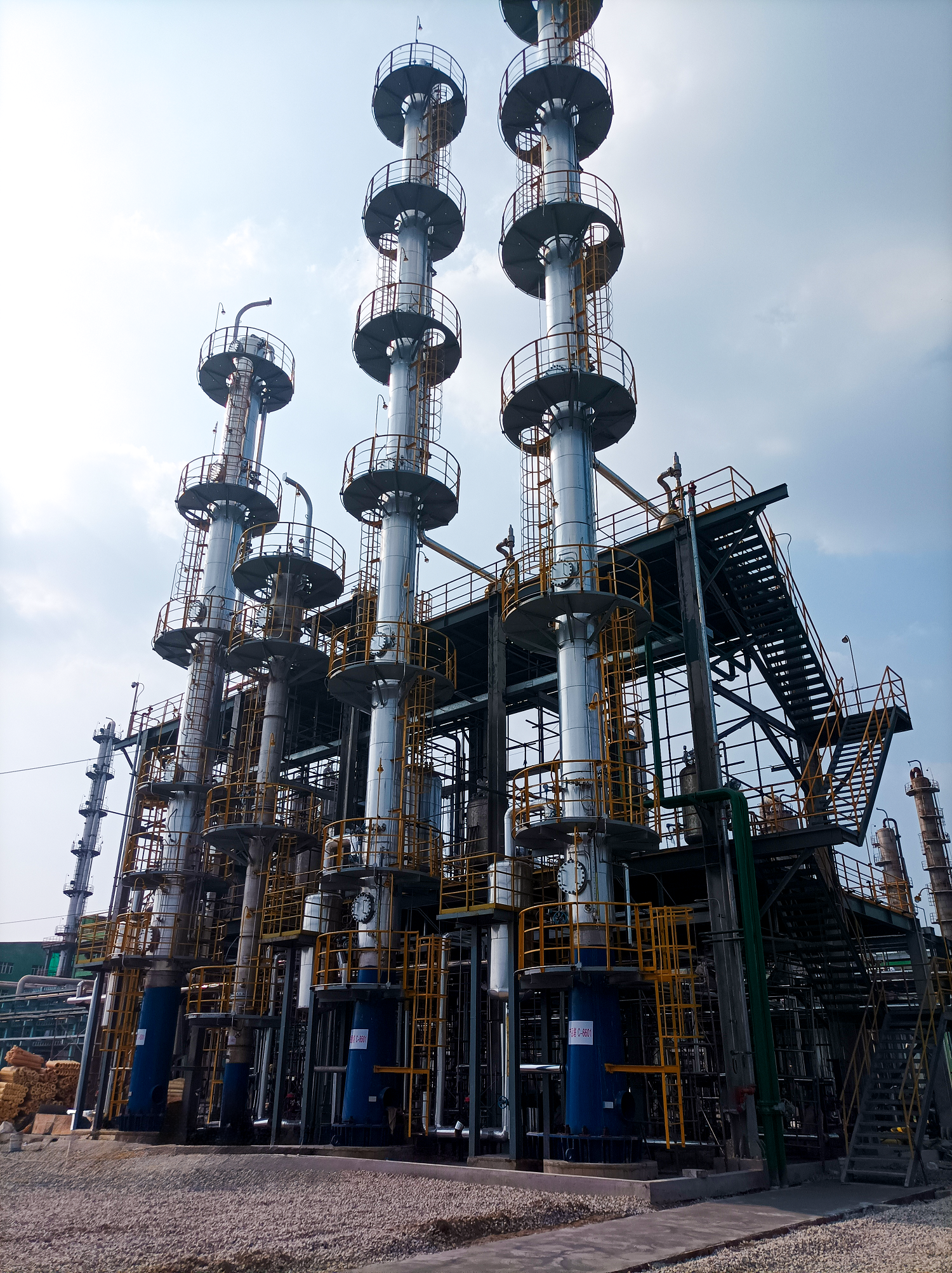
Why High-Purity Formaldehyde Matters: Industrial Drivers and Specifications
For industrial purposes, formaldehyde needs to be pretty close to pure stuff, over 99.9%, otherwise problems pop up later on that cost money. When making resins, even tiny bits of formic acid above 50 parts per million mess things up big time. The resin starts polymerizing too soon, which cuts down what comes out of each batch by around 15%. And guess what? More waste means higher disposal bills for factories. In pharmaceutical work, they need way cleaner stuff than that. Formaldehyde used in drug production must have less than 10 ppm formic acid because otherwise the catalysts get poisoned. Contaminated batches stop production completely sometimes. For adhesives and engineered wood products, keeping methanol below 0.1% is critical. Otherwise, polyacetals form and weaken those important structural bonds. Car manufacturers care about this too. Their emission control systems require formaldehyde at 99.95% purity for those SCR units. Sulfur compounds in lower grade material can reduce catalyst effectiveness by nearly half after just 500 hours of operation. All these purity requirements matter a lot in practice. They affect how well products perform, whether companies meet regulations, and ultimately determine if operations stay profitable or not.
Catalyst Design Principles for 99.9% Formaldehyde Purity
Achieving ultra-high-purity formaldehyde (>99.9%) requires catalysts that selectively convert methanol while suppressing byproducts like formic acid and CO. Industrial systems rely on precise metal oxide formulations and structural engineering to balance conversion efficiency with impurity control.
Selective Methanol Oxidation via Fe-Mo-O and Ag-Based Catalysts
The iron molybdenum oxide system, Fe2Mo3O12, has become pretty much standard for fixed bed reactors. These work best around 350 to 450 degrees Celsius where they convert methanol at an impressive rate of about 99.2%. What makes them effective is their layered structure which forms those acidic spots needed to turn methanol into formaldehyde without going too far and creating unwanted byproducts. Silver catalysts are another option but they need much hotter conditions, around 600 degrees Celsius. Despite needing higher temps, silver gives better results with 99.5% selectivity because its surface lacks enough oxygen to form CO2 as a side reaction. When operators keep control of the space velocity under 0.5 per hour, both approaches produce formaldehyde with purity consistently above 99.9%, making these systems reliable choices for industrial applications.
Mo-V-Te-Nb-O Catalysts: Achieving <5 ppm Formic Acid and 99.95% Formaldehyde Purity
The latest Mo-V-Te-Nb-O catalysts are hitting an impressive 99.95% purity level simply because they get rid of those pesky acidic byproducts. What makes these materials so effective? Their special orthorhombic M1 phase structure keeps the active vanadium sites separate, allowing them to work on methanol oxidation without interference. At the same time, those Te4+ oxygen molybdenum bonds do a great job at keeping formic acid levels under control, down to just 5 parts per million. Research using in situ XRD has shown something interesting too. When the ratio of V4+ to V5+ stays around 15 to 20 percent, carbon buildup becomes minimal. This means these catalysts can run continuously for over 8,000 hours straight. That's pretty amazing when you consider how much cleaner this makes things compared to older Fe-Mo catalysts, which leave behind about 92% more impurities according to recent findings published in Catalysis Today back in 2023.
Maximizing Formaldehyde Yield While Minimizing Byproducts
Nanostructured Supports (Mesoporous SiO₂, Anatase TiO₂) to Suppress Over-Oxidation
Special nanostructured materials such as mesoporous silica dioxide and anatase titanium dioxide help manufacturers get better control over how much formaldehyde gets produced during chemical processes. These materials work because they have really large surface areas ranging between around 500 to 800 square meters per gram, plus evenly spaced pores measuring approximately 2 to 10 nanometers across. What this means is that the active parts of the catalyst are physically confined within these structures, which stops them from going all the way to producing carbon dioxide instead. As a result, there's significantly less formic acid created as a side product when using these advanced supports compared to older methods, somewhere in the ballpark of 40 to 60 percent reduction while still keeping formaldehyde output above 99 percent selective. The specific anatase form of titanium dioxide actually improves how electrons move through the system thanks to certain gaps in its oxygen structure. This property helps stop those pesky unwanted reactions from happening even under typical industrial conditions where temperatures run between 300 and 400 degrees Celsius.
Ce³⁺/Ce⁴⁺ Ratio Tuning via In Situ DRIFTS and XRD for Stable Surface Oxygen Control
When we optimize the Ce³⁺/Ce⁴⁺ redox pair using techniques like in situ DRIFTS and XRD, we end up regulating those pesky reactive oxygen species much better. Keeping the ratio between 0.7 and 1.2 for Ce³⁺/Ce⁴⁺ through some clever dopant engineering actually creates these oxygen vacancies that can grab onto methanol molecules specifically. What's really cool is how this setup fights off carbon buildup too. Looking at real time XRD data shows us that this balanced approach keeps the catalyst stable during reactions, which cuts down on formic acid impurities to below 50 parts per million. The method works pretty well overall, giving around 92 to 95 percent formaldehyde yield in one pass while maintaining nearly pure product quality at 99.9 percent. This happens because peroxides don't form as easily and there's less chance of getting stuck with unwanted carbon deposits.
Balancing Conversion and Purity in Fixed-Bed Formaldehyde Reactors
Fixed bed reactors are the workhorses of large scale formaldehyde manufacturing because they're simple to operate and save money on costs. But getting the best possible methanol conversion rate while keeping product purity at or above 99.9% needs careful attention to several key factors. Temperature control matters a lot in these systems. When temperature gradients exceed about 5 degrees Celsius per centimeter across the catalyst bed, we start seeing over oxidation problems that boost formic acid impurities past 50 parts per million according to research published last year in Reaction Engineering Journal. The newer multi tubular reactor designs with built in cooling jackets help manage heat much better, which cuts down unwanted side reactions and keeps conversion rates around 97%. Getting the right balance between oxygen and methanol is just as important. If the ratio drops below 1.3 to 1.5, oxidation isn't complete enough and yields fall below 90%. Too much oxygen creates carbon dioxide instead. Most plants rely on real time gas chromatography analysis to tweak how long materials stay in the reactor. By shortening residence times to under half a second, manufacturers can keep formic acid levels well below 5 ppm without sacrificing overall production capacity.
Key Optimization Levers
- Thermal control: Ceramic-packed heat dissipation zones reduce axial temperature variance by 70%
- Feed composition: Automated ratio controllers maintain stoichiometric precision within ±0.05 units
- Catalyst staging: Layered Fe-Mo-O and Ag beds sequentially optimize conversion and impurity scrubbing
This integrated approach enables fixed-bed systems to achieve 3 ppm formic acid concentrations at 99.95% formaldehyde purity—surpassing fluidized-bed reactors in byproduct control despite lower volumetric throughput.
FAQ
What is the significance of high-purity formaldehyde in industrial applications?
High-purity formaldehyde is crucial as it ensures effective resin production, maintains the integrity of pharmaceutical production, improves adhesive quality in engineered wood products, and enhances emission control in the automotive industry by preventing catalyst poisoning and structural bond weakening.
How do catalysts achieve 99.9% formaldehyde purity?
Catalysts achieve ultra-high-purity formaldehyde by selectively converting methanol while suppressing byproducts. Industrial systems use precise metal oxide formulations for efficient conversion and impurity control.
What role do nanostructured supports play in formaldehyde production?
Nanostructured supports, like mesoporous silica and anatase titanium dioxide, help suppress over-oxidation and reduce unwanted byproducts, such as formic acid, while maintaining high formaldehyde output and selectivity.
Why are fixed-bed reactors preferred for large-scale formaldehyde manufacturing?
Fixed-bed reactors are preferred due to their simplicity, cost-effectiveness, and ability to maintain high methanol conversion rates and formaldehyde purity with careful control of temperature, oxygen-methanol ratios, and residence times.