
 EN
EN
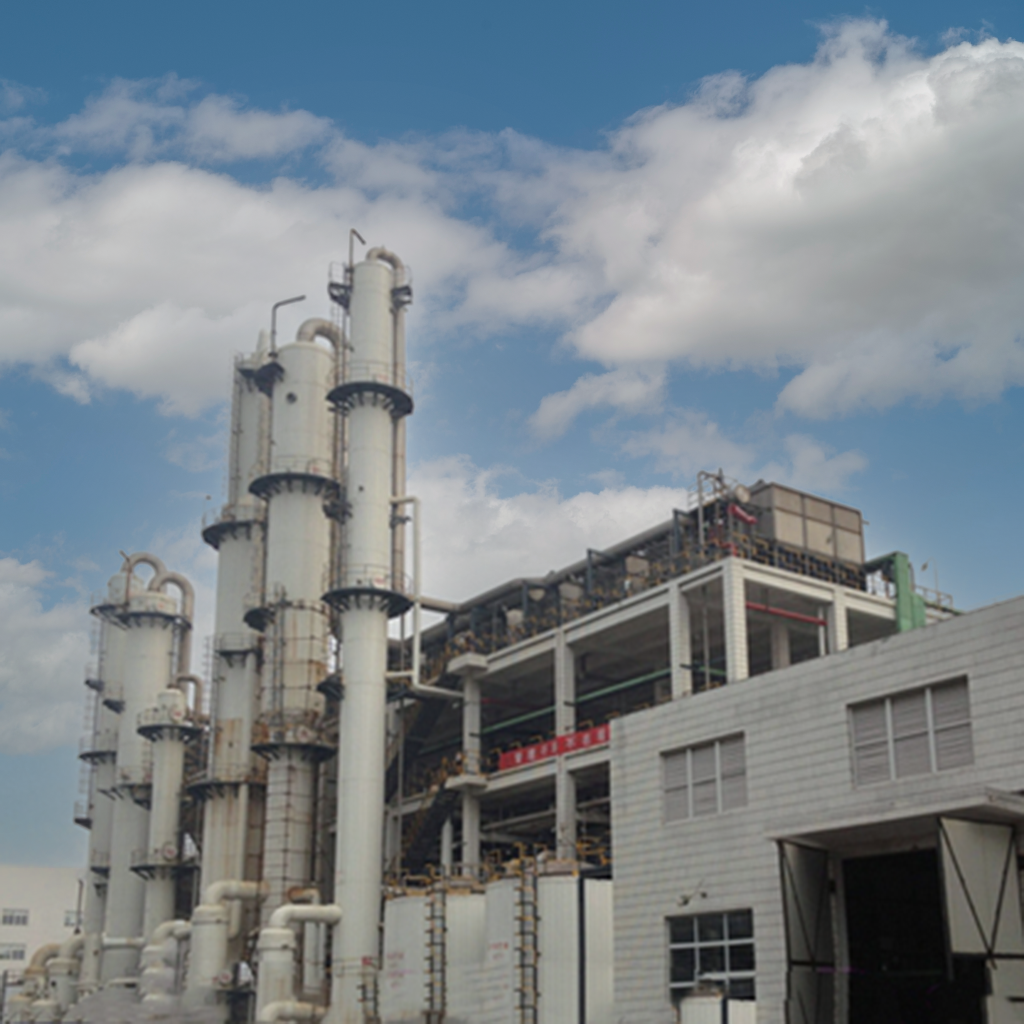
Reimagining Small-Scale Chemical Production Paradigms
When industry leaders look at modern chemical manufacturing, the conversation often shifts away from massive mega-complexes toward smarter, more adaptable setups. Traditional chemical plants relied heavily on enormous scale to justify their budgets, but today's dynamic market demands something entirely different. Fluctuating regional demand, logistics challenges, and the pressing need for faster deployment have pushed chemical engineers to rethink how production units are built from the ground up. Small-scale acetic acid plants have emerged as a practical answer for companies wanting to bypass the heavy capital requirements of massive infrastructure while maintaining steady, reliable output. This structural evolution is not just about building smaller units; it is about completely transforming plant architecture into something agile and responsive to real-world market pulses. By decentralizing production, enterprises can place manufacturing facilities closer to raw material suppliers or regional consumer hubs, drastically cutting down transportation costs, lowering carbon footprints, and minimizing supply chain vulnerabilities. Furthermore, smaller footprints mean easier environmental permitting and community integration.
Unlocking Efficiency Through Smart Process Design
Building a smaller plant does not mean compromising on chemical performance, product purity, or overall operational efficiency. In fact, compact acetic acid production relies heavily on highly optimized reaction kinetics and advanced catalytic systems that deliver exceptional conversion rates under moderate operational parameters. Streamlining the reactor loops and flash evaporation stages allows engineers to minimize the overall physical footprint without sacrificing efficiency or throughput capacity. Furthermore, because acetic acid creates a severely corrosive environment within the reaction loop, selecting specialized alloys—such as high-grade zirconium components for wetted surfaces—ensures long-term structural integrity. This thoughtful material selection protects the equipment from premature wear and tear, ensuring continuous operation even under demanding industrial conditions. Process optimization also involves recycling unreacted gases and optimizing thermal integration, which collectively reduce utility consumption and enhance overall plant sustainability, aligning perfectly with modern environmental and regulatory standards.
The Engineering Edge of Modular Skid Fabrication
The real game-changer for small-scale chemical plants is the industry-wide shift toward modular skid-mounted construction methodologies. Instead of shipping endless individual components to a remote site for complex stick-built assembly, entire processing units are pre-assembled onto structural steel skids within a controlled workshop setting. This modular approach allows project teams to sidestep the typical weather delays, skilled labor shortages, and logistical nightmares associated with remote construction sites. Every pump, piping network, vessel, and instrument panel is meticulously fitted, wired, and tested before leaving the workshop floor. When the skid modules arrive at the final destination, they fit together seamlessly, drastically cutting down installation time and eliminating the alignment headaches that plague traditional field construction. Moreover, workshop fabrication environments allow for superior quality control, as welding and electrical work can be inspected under optimal conditions rather than in adverse weather outdoors.
Robust Safety Architectures and Operational Reliability
Operating chemical processing equipment at a compact scale requires an uncompromising approach to plant safety, risk management, and process automation. Modern skid-mounted acetic acid units incorporate comprehensive safety instrumented systems, distributed control systems, and rapid emergency shutdown protocols. These automated layers continuously monitor core variables such as temperature, pressure, and off-gas compositions, ensuring that any process deviations are managed immediately before they can escalate into major incidents. Dedicated flare integration safely handles secondary by-products and unreacted synthesis gases, maintaining strict environmental compliance. Before any skid package leaves the fabrication facility, rigorous factory acceptance testing verifies that every valve, interlock, and sensor functions flawlessly, offering total peace of mind to plant operators from day one and reducing the likelihood of unexpected downtime during initial commissioning phases.
Delivering Value Through Turnkey Engineering Excellence
Choosing a modular skid solution completely changes the financial and operational trajectory of a chemical investment project. By cutting down on-site installation timelines and optimizing capital expenditures, investors achieve a much faster path to commercial production and revenue generation. This operational flexibility enables businesses to establish localized manufacturing hubs right next to key feedstock sources or key consumer markets, greatly enhancing long-term supply chain resilience. SL-TECH stands out in this specialized domain by offering comprehensive engineering, procurement, and construction capabilities, combining advanced modular fabrication with seamless global supply chain services. Through deep industry expertise and top-tier manufacturing excellence, SL-TECH empowers global partners to build resilient, high-performing chemical production facilities with unmatched reliability, ensuring sustainable growth, operational excellence, and a strong competitive advantage in a complex global marketplace.