
 EN
EN
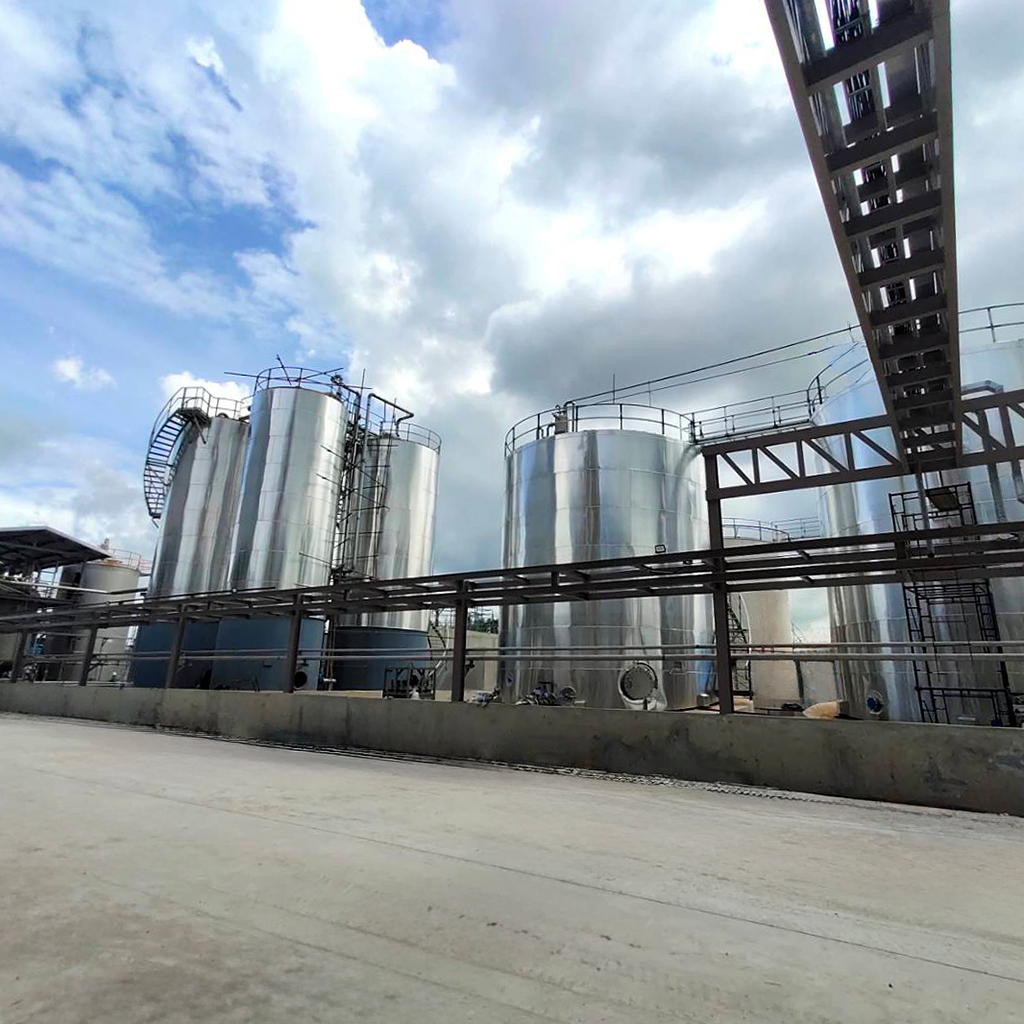
Reimagining Epichlorohydrin Production Through Proprietary Innovation
When industry leaders look at modern chemical manufacturing, the conversation often shifts away from outdated, resource-heavy processes toward smarter, independently developed technological frameworks. Historically, traditional epichlorohydrin production relied heavily on conventional propylene chlorination routes, which presented severe environmental challenges, high chlorine consumption, and massive wastewater treatment burdens. In response to tightening environmental regulations and the urgent demand for sustainable chemistry, modern industrial engineering has pivoted toward proprietary, own-developed technology paradigms. These advanced process routes optimize raw material conversion and drastically reduce ecological footprints. By developing independent intellectual property in-house, technology providers can fine-tune reaction parameters, bypass rigid licensing bottlenecks, and offer chemical producers a more resilient, cost-effective path to commercial production without compromising on throughput or product purity. Furthermore, decentralized production models allow operators to tailor plant outputs to regional market fluctuations, enhancing overall economic viability and reducing long-term supply chain risks while supporting local industrial ecosystems and regional manufacturing growth.
Unlocking Efficiency Through Advanced Synthesis Pathways
Building a competitive chemical facility requires a deep understanding of reaction kinetics, catalyst selection, and multi-step process integration. Modern proprietary technology often leverages alternative feedstock approaches, such as glycerol-based hydrochlorination, which transforms renewable glycerin into specialized intermediates before undergoing efficient catalytic saponification. In practical plant design, streamlining the reactor loops, optimizing reagent utilization, and enhancing phase-transfer catalysis significantly elevate overall product selectivity. Furthermore, because epichlorohydrin production environments involve aggressive reagents and corrosive intermediate compounds, selecting premium metallurgy—such as specialized titanium and high-nickel alloys for wetted surfaces—guarantees long-term structural integrity. This meticulous material science approach protects critical assets from premature degradation, ensuring continuous, stable operation under rigorous industrial conditions while minimizing unplanned maintenance downtime. Process optimization also involves thermal energy integration and byproduct recovery loops, which collectively reduce overall utility consumption and align plant operations with contemporary environmental standards.
The Engineering Edge of Modular Plant Architecture
The true commercial breakthrough for modern chemical processing facilities lies in modular skid-mounted construction methodologies rather than traditional, unpredictable stick-built construction on remote job sites. Instead of shipping endless individual components to a remote location for complex assembly, proprietary process units are pre-assembled onto structural steel skids within a controlled workshop environment. This modular strategy allows project teams to avoid weather-related delays, chronic labor shortages, and logistical hurdles. Every piping network, pressure vessel, pump, and instrumentation assembly is meticulously integrated and tested prior to shipment. When these modular packages arrive at the plant site, they align seamlessly, cutting down installation timelines and eliminating field-welding errors. Moreover, workshop fabrication environments enable rigorous quality assurance protocols, allowing engineering teams to inspect electrical trays and mechanical interfaces under optimal, standardized conditions. This factory-tested approach guarantees mechanical completion milestones are met with absolute predictability, protecting project schedules and budgets alike.
Robust Safety Architectures and Environmental Compliance
Operating chemical manufacturing units at any scale requires an uncompromising commitment to process safety and environmental protection. Advanced epichlorohydrin facilities incorporate multi-layered automation safety frameworks, including distributed control systems, safety instrumented systems, and rapid emergency shutdown protocols. These automated safeguards continuously monitor critical process variables such as reactor temperatures, exothermic heat spikes, and hazardous vapor concentrations, intervening immediately to prevent operational deviations. Additionally, closed-loop wastewater stripping and advanced byproduct management systems neutralize toxic effluents before they ever leave the system, ensuring full compliance with stringent international environmental regulations. Comprehensive factory acceptance testing verifies all safety interlocks and pressure-relief mechanisms prior to commissioning, offering plant operators absolute peace of mind and significantly reducing potential operational risks during initial startup phases.
Delivering Long-Term Commercial Value and Brand Leadership
Adopting an own-developed technology solution fundamentally transforms the economic trajectory of a chemical investment project. By lowering capital expenditures, shortening construction schedules, and optimizing resource consumption, plant owners achieve a rapid return on investment and a sustainable competitive advantage. SL-TECH stands out as an industry leader in chemical process engineering and modular fabrication, leveraging deep technical expertise to deliver custom, high-reliability production units worldwide. Through comprehensive engineering, procurement, construction capabilities, and robust global supply chain services, SL-TECH empowers chemical enterprises to scale efficiently, modernize legacy operations, and achieve long-term success in a highly competitive global marketplace. By combining cutting-edge proprietary technology with unmatched manufacturing excellence and strategic logistics support, SL-TECH ensures that every completed project delivers exceptional operational reliability, environmental stewardship, and enduring commercial value for forward-thinking partners across international industries.