
 EN
EN
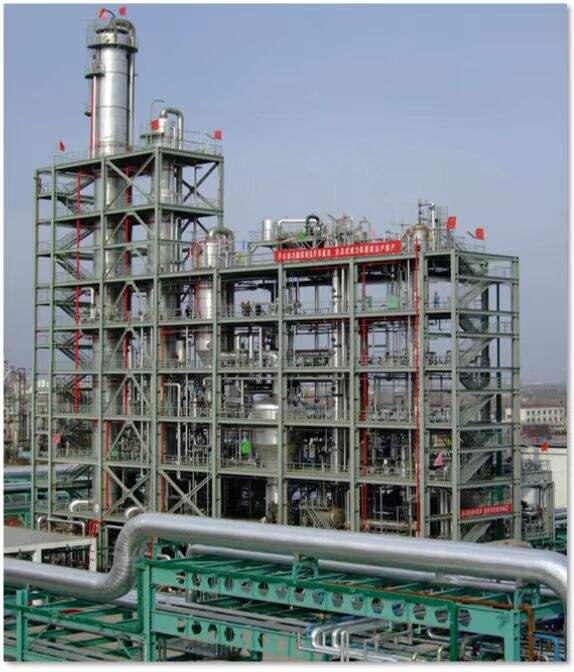
Understanding the Chemical Process Design Workflow and Key Steps
Core Stages in the Chemical Process Design Workflow
Chemical process design typically follows a sequence of five main phases. First comes conceptual design where engineers define what the final product should look like and set out the overall process objectives. Next is feasibility analysis which checks if the proposed methods are both technically possible and economically viable. Then we move into basic engineering stage where teams create those all important PFDs (Process Flow Diagrams) along with equipment lists. Detailed design follows this, focusing on getting those piping and instrumentation diagrams just right before finally reaching commissioning phase for system testing and optimization work. Many modern projects now use simulation software such as Aspen HYSYS during basic engineering. According to research published in the Chemical Engineering Journal last year, these tools helped cut down energy usage somewhere between 12% and 18% across 47 different industrial cases studied.
Case Study: Design Evolution in a Petrochemical Plant Expansion
A Middle Eastern facility increased ethylene production capacity by 40% using iterative process modeling. Engineers phased modifications over 18 months, first optimizing distillation column parameters in HYSYS simulations before retrofitting physical equipment. This approach minimized operational downtime while achieving a 23% reduction in steam consumption compared to traditional revamp methods.
Strategy: Implementing a Phased Approach to Ensure Project Success
Breaking chemical process design into gated phases reduces risk exposure by 32% (AIChE 2022 data). Key phases include:
- Concept Phase: Process Flow Diagram (PFD) development with ±30% cost accuracy
- Define Phase: P&ID completion and safety reviews (HAZOP/LOPA)
-
Execute Phase: Construction management with 4D schedule simulations
A phased framework enabled one polymer manufacturer to compress its design-to-commissioning timeline by 20% while maintaining ISBL (Inside Battery Limits) budget adherence.
Process Optimization and Simulation Using Aspen Plus and HYSYS
The Role of Simulation in Modern Chemical Process Design
Simulation software such as Aspen Plus and HYSYS has really changed how we approach chemical process design these days. Engineers can now create detailed models of complicated systems that would have taken weeks to build physically just a few years ago. According to research from Ponemon in 2023, companies are seeing around a 30 percent drop in prototype expenses when they use these digital tools instead of traditional methods. What makes these programs so valuable is their ability to check out different design options using thermodynamics calculations and looking at how well various pieces of equipment actually perform under real conditions. For instance, steady state simulations are particularly useful for getting the most out of distillation columns, whereas dynamic modeling lets operators see what happens when things change during normal operations. The real benefit comes from catching problems before they become expensive headaches down the line. Teams that spot inefficiencies early on not only save money but also get products ready for market much faster than those stuck fixing issues after the fact.
Case Study: Energy Savings Through HYSYS-Based Refinery Optimization
A 2023 refinery optimization project achieved 18% energy savings by leveraging HYSYS to redesign heat exchanger networks. Simulations revealed underutilized waste heat streams, enabling engineers to reconfigure preheat trains and reduce furnace loads. The revised design lowered carbon emissions by 12,000 tons annually while maintaining throughput—a validation of simulation-driven sustainability strategies.
Emerging Trend: AI-Enhanced Tools for Real-Time Process Decisions
Aspen platforms are getting smarter these days thanks to machine learning integration that brings predictive analytics into process control operations. According to research published in 2024, when plants experience unexpected issues, AI powered simulations can slash decision making delays by around two thirds. This happens because the systems analyze live sensor readings alongside past performance data. What we're seeing is these advanced tools suggesting better settings for things like pressure levels, temperatures, and how fast materials flow through pipelines. The result? Operators no longer have to guess at what settings will work best based on theory alone since the system actually connects what was planned on paper with what's happening on the factory floor right now.
Safety Analysis and Risk Assessment in Chemical Process Design
Integrating HAZOP and LOPA into Safety-Critical Process Design
In today's chemical processing world, safety isn't just an afterthought anymore. Most plants now rely on structured approaches such as HAZOP studies and LOPA analysis to keep things running safely. The HAZOP method basically looks at what could go wrong during normal operations by asking those classic what-if questions. Meanwhile, LOPA takes a different approach by measuring actual risk levels and checking if current safety measures are sufficient. Industry data shows that when companies combine both methods properly, they cut down accidents by around two thirds in dangerous setups like pressurized reactors according to recent reports. Take a distillation column for instance. A HAZOP review might catch problems with temperature controls that operators didn't notice before. Then comes LOPA time where engineers check if the emergency shut off valves and other protective systems would actually stop something bad from happening if the temperature issue gets worse.
Case Study: Preventing Overpressure Events with Safety Relief Systems
According to a recent industry report from 2024, adiabatic calorimetry played a key role in determining the right size for safety relief valves at a biodiesel plant. The engineers ran simulations looking at those really bad thermal runaway situations nobody wants to happen. What they came up with was something pretty clever - a hybrid system that handles both gas and liquid discharge. This setup stopped around two million dollars worth of damage when vessels would have otherwise ruptured under pressure spikes. Pretty impressive stuff actually. And there's more good news too. Plants using this method saw their emergency shutdowns drop by nearly half compared to what most facilities typically experience with standard designs.
Strategy: Building Inherently Safer Processes from Conceptual Design
Leading firms now adopt inherently safer design (ISD) principles during front-end engineering:
- Minimization: Reducing hazardous material inventories by 72% through solvent substitution
- Simplification: Eliminating 34% of auxiliary piping via modular heat exchanger designs
- Fail-Safe Integration: Implementing passive quenching systems that activate without power
Projects applying ISD during conceptual design cut safety-related change orders by 63% post-construction (Kidam et al., 2016), demonstrating how proactive integration of safety improves both efficiency and reliability.
Economic Feasibility and Cost Evaluation in Process Design Projects
Conducting Economic Evaluations Using CAPEX/OPEX Models
Modern chemical process design requires rigorous financial analysis, with CAPEX (capital expenditure) and OPEX (operational expenditure) models forming the backbone of project evaluations. A 2023 Aberdeen Group study found projects using automated CAPEX/OPEX tracking reduced cost overruns by 29% compared to manual methods. These models assess:
- Equipment acquisition and installation costs
- Energy consumption patterns across production cycles
- Waste management fees linked to regulatory compliance
Phased implementation helps teams identify cost-saving opportunities early, such as optimizing reactor sizing or heat exchanger networks to balance upfront investments with operational efficiency.
Case Study: How a Feasibility Study Redirected a Bioplastics Venture
A bioplastics startup initially planned a $82M facility using premium-grade enzymes until CAPEX/OPEX analysis revealed unsustainable margins. By switching to lower-cost immobilized enzyme systems and modular reactor designs, the project achieved:
- 37% reduction in initial capital costs ($52M final CAPEX)
- 19% lower annual OPEX through reduced enzyme replenishment cycles
- ROI improvement from 8.2 to 12.5 years
This pivot preserved the venture’s environmental goals while meeting investor ROI thresholds, demonstrating how economic modeling prevents technical over-engineering.
Balancing Cost Efficiency with Process Quality and Long-Term ROI
Leading engineering firms adopt lifecycle cost analysis (LCCA) frameworks that evaluate:
| Timeframe | Key Considerations |
|---|---|
| 0–2 years | Capital recovery period, commissioning costs |
| 3–10 years | Catalyst replacement cycles, energy tariffs |
| 10+ years | Decommissioning liabilities, retrofit costs |
A 2023 McKinsey report shows projects incorporating LCCA achieve 22% higher NPV over 15-year horizons compared to traditional evaluation methods. This approach ensures chemical process designs meet both immediate budget constraints and long-term operational resilience requirements.
Sustainability, Environmental Impact, and Energy Efficiency in Design
Life Cycle Assessment and Carbon Footprint Reduction Strategies
Today's chemical process design puts sustainability front and center by looking at how products affect the environment from start to finish. This means considering everything from where materials come from all the way through to what happens when they're thrown away. Engineers use these Life Cycle Assessment tools to measure things like how much energy gets used, how many greenhouse gases are produced, and whether resources are being depleted faster than they should be. These assessments help spot places where improvements can be made. Companies have found that making the switch to bio based materials or setting up better heat management systems inside plants can cut down on carbon emissions anywhere between 25% and 40%, without having to sacrifice production levels according to recent findings published in the Material Efficiency Report for 2023.
Case Study: Waste Minimization in a Solvent Recovery Process
A specialty chemicals manufacturer redesigned its solvent recovery system using advanced membrane separation technology, achieving 60% waste reduction. By optimizing distillation parameters and reusing 85% of recovered solvents, the project cut annual disposal costs by $2.3M and reduced hazardous waste generation by 1,200 metric tons.
Designing for the Circular Economy: Integration in PFDs and Thermal Networks
Forward-thinking process flow diagrams (PFDs) now incorporate material recovery loops and waste-to-energy systems. Closed-loop water networks and pyrolysis units for plastic byproducts exemplify circular design principles. Thermal pinch analysis ensures 90–95% of waste heat is repurposed, aligning with global decarbonization targets for industrial energy efficiency.
FAQ
What is the importance of simulation software in chemical process design?
Simulation software like Aspen Plus and HYSYS allows engineers to model complex systems efficiently, reducing prototype expenses and enabling the exploration of different design options without physical constraints.
How does phased chemical process design improve project success?
A phased approach reduces risk exposure by breaking design into specific stages. This ensures careful evaluation at each step, optimizing timelines and budgets.
What is inherently safer design (ISD) in chemical engineering?
ISD involves incorporating safety features into the initial design phase, minimizing hazards and simplifying operations to prevent accidents and improve efficiency.
Why are CAPEX/OPEX models crucial in economic feasibility studies?
These models provide insights into potential cost overruns and help optimize investment and operational budgets, ensuring that projects are economically sustainable.
Table of Contents
- Understanding the Chemical Process Design Workflow and Key Steps
- Process Optimization and Simulation Using Aspen Plus and HYSYS
- Safety Analysis and Risk Assessment in Chemical Process Design
- Economic Feasibility and Cost Evaluation in Process Design Projects
- Sustainability, Environmental Impact, and Energy Efficiency in Design
- FAQ