 EN
EN
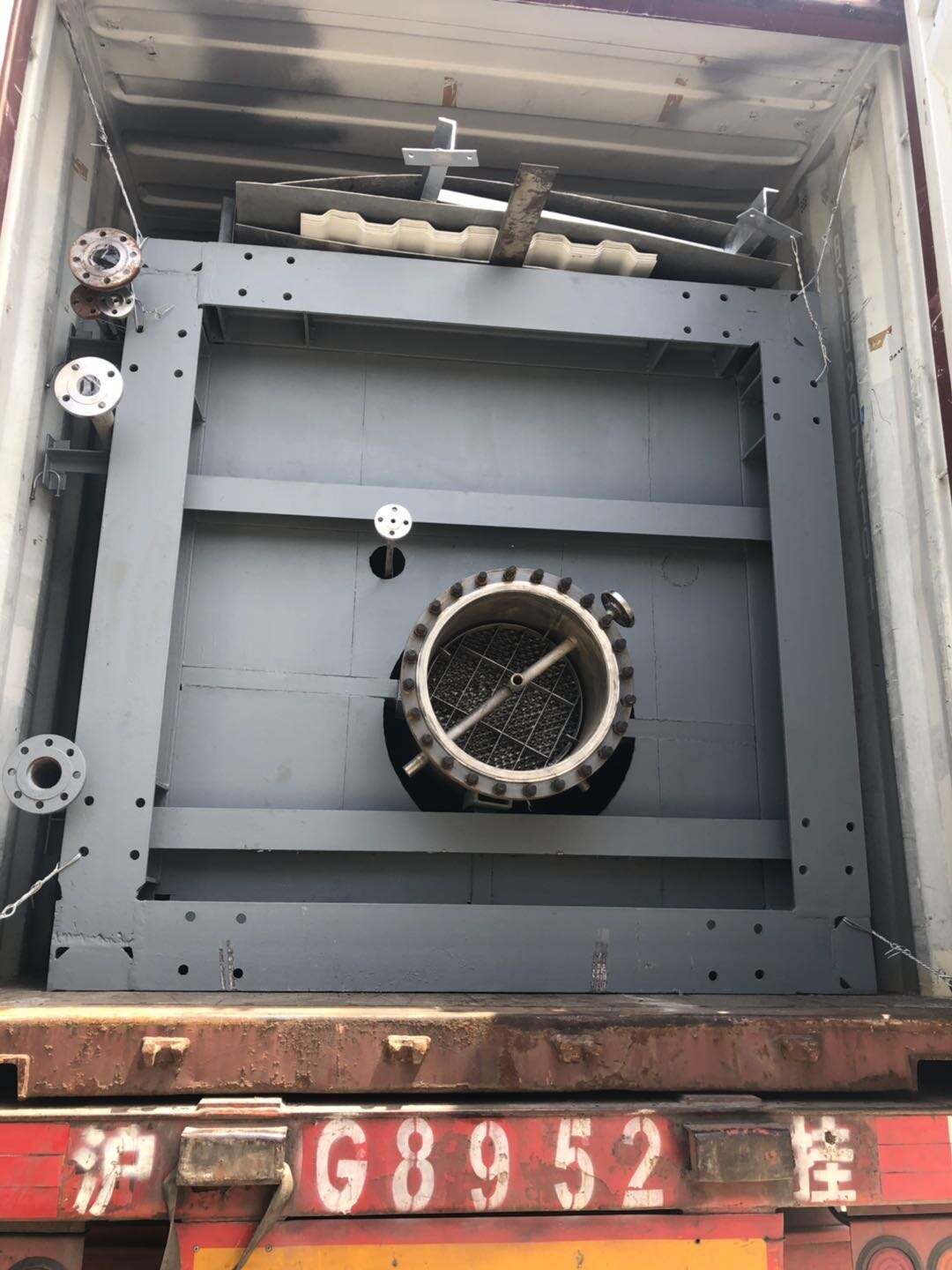
Core Processing Equipment: Reactors, Mixers, and Heat Exchangers for Optimal Chemical Reactions
How Reactors and Heat Exchangers Enable Precise Thermal Control in Chemical Processing
The chemical industry's equipment supply nowadays depends heavily on reactor-heat exchanger systems to keep temperatures stable within about 1.5 degrees Celsius for roughly 8 out of 10 batch processes, based on recent materials science data from 2023. These jacketed reactors work by running thermal oils or cold glycol solutions around their outer shells, which helps control heating and cooling speeds needed for reactions like polymerization and crystal formation. When it comes to managing heat from exothermic reactions, parallel plate-and-frame heat exchangers are game changers. They get rid of excess heat much faster than traditional shell-and-tube models while cutting energy use by nearly 20 percent, according to findings published in the Process Engineering Journal last year. Some modern installations even come equipped with viscosity sensors paired with smart algorithms that tweak the flow of heat transfer fluids automatically. This tech reduces temperature fluctuations by almost half compared to what operators could manage manually. Such accuracy matters a lot in making pharmaceutical intermediates. Just a two degree spike above target can spoil as much as 15 percent of valuable active compounds in these sensitive production runs.
Separation and Purification Systems: Centrifuges and Filtration Technology in Chemical Manufacturing
Principles of Solid-Liquid Separation Using Decanter Centrifuges and Self-Cleaning Filters
In modern chemical manufacturing, centrifugation and filtration achieve 99.9% phase separation efficiency in applications such as polymer synthesis and solvent recovery. Decanter centrifuges apply rotational forces up to 4,000 G to separate viscous slurries, while self-cleaning filters remove contaminants without halting production.
| Technology | Separation Speed | Energy Efficiency (kWh/m³) | Maintenance Frequency |
|---|---|---|---|
| Decanter Centrifugation | 30–60 seconds | 8–12 | Every 500–800 hours |
| Crossflow Filtration | 2–5 minutes | 4–6 | Every 1,000–1,200 hours |
According to a 2023 materials processing study, these technologies reduce wastewater contamination risks by 73% compared to traditional sedimentation methods.
Case Study: Improving Solvent Recovery in Fine Chemicals with Advanced Filtration
A specialty chemicals plant increased ethyl acetate recovery by 15% after switching to ceramic membrane filters. Daily solvent waste dropped from 420 liters to 62 liters, saving $740,000 annually in raw material costs (Ponemon 2023). Multi-stage filtration also reduced downstream distillation energy use by 28%.
Trend: IoT-Enabled Predictive Maintenance in Industrial Filtration Units
Smart sensors now monitor filter pressure differentials, flow rates, and particulate buildup in real time. This IoT integration enables 92% accurate failure predictions, cutting unplanned downtime by 41% in API manufacturing, as reported in the 2024 Smart Manufacturing Report.
Best Practices for Selecting Separation Equipment Based on Material and Throughput Needs
- Material Compatibility: Use corrosion-resistant alloys when handling acidic mixtures (pH < 3)
- Throughput Optimization: Match centrifuge G-force to particle size within the 2–200 µm range
- Regulatory Alignment: Ensure compliance with ASME BPE standards for pharmaceutical applications
Facilities processing over 50 tons/hour typically combine centrifuges for primary separation with polishing filters for submicron purification.
Downstream Processing: Dryers, Granulators, and Pulverizers for Final Product Quality
Achieving Uniform Particle Size in Pharmaceuticals and Food-Grade Chemicals
Consistent particle size distribution is vital for dissolution rates in active pharmaceutical ingredients (APIs) and texture control in food additives. Advanced pulverizers and screening systems maintain ±5% variance in granule size, ensuring homogeneity for tablet compression and flavor encapsulation. For hygroscopic materials, nitrogen-controlled environments prevent clumping during size reduction.
Thermal and Mechanical Processing in Fluid Bed Dryers and Jet Mills
Fluid bed dryers work by applying convective heat between 40 and 120 degrees Celsius along with air fluidization techniques to take away moisture from materials without causing damage to sensitive compounds. This makes them especially useful when working with vitamins during synthesis processes. Jet mills operate differently, using compressed air at pressures ranging from 6 to 10 bar to create very fine powders under 50 microns in size. These are great for making ceramic coatings where even trace amounts of metal contamination cannot be tolerated. According to recent industry data from the Powder Processing Report published in 2023, this kind of mechanical processing actually cuts down on thermal degradation problems by around 18 to 22 percent when compared with traditional rotary dryer methods.
Case Study: Reducing Downtime in Plastics Production with Automated Granulation
A polymer manufacturer reduced pelletization downtime by 30% by integrating a self-cleaning granulator with predictive wear sensors. The system adjusted blade gaps (0.2–1.5mm) based on real-time melt-flow index data, maintaining ±0.1mm pellet consistency across continuous operations. Manual calibration was reduced from eight interventions per hour to two daily checks.
Trend: Energy-Efficient and Sustainable Dryer Designs in Modern Plants
The latest generation of drying equipment can capture around 60 to 70 percent of waste heat through closed loop systems, which cuts down on power usage when drying out plant materials. For businesses operating in dry climates, there's been growing interest in solar assisted drying units that contribute roughly 15 to 20% of needed heat during salt production processes. Many companies are now switching from traditional silicone coatings to biodegradable alternatives in their food processing lines. This shift not only aligns with ISO 50001 requirements for better energy management but also means about a quarter less carbon dioxide gets released for every ton of finished goods produced. The environmental benefits are clear, though implementation costs still remain a consideration for smaller operations looking to upgrade their facilities.
Fluid Handling and Storage Solutions: Pumps, Tanks, and Safety-Critical Design
Reliable Fluid Transfer: Sealless Pumps and Automated Dosing in Corrosive Environments
The modern chemical industry has shifted toward equipment that prevents leaks during fluid transfer, primarily through the use of sealless magnetic drive pumps. These devices basically get rid of those pesky mechanical seal failures that used to be such a headache for plant operators. For controlling flows in harsh conditions where things like sulfuric acid are processed, many facilities now rely on automated dosing systems that keep accuracy within about plus or minus 2%. And according to research published by ASME back in 2023, companies switching to these newer pump designs saw their maintenance expenses drop by around 37% when dealing with chlorine-heavy applications. That kind of savings adds up over time, especially in industries where downtime is costly business.
Designing Safe Storage Systems for Hazardous Chemicals: FRP and Stainless Steel Tanks
Storage tanks for aggressive chemicals require material-specific engineering:
- FRP tanks: Preferred for hydrochloric acid storage due to 90% lower corrosion rates than carbon steel (NACE 2022 data)
-
316L stainless steel: Resists chlorides up to 50+ ppm, making it suitable for pharmaceutical intermediates
All installations must include secondary containment per API 650 standards and seismic bracing in earthquake-prone areas.
Case Study: Leak Prevention in Ammonia Storage Using Double-Walled Tank Systems
A leading chemical producer eliminated ammonia leaks by adopting double-walled storage tanks with vacuum annulus monitoring. Results included:
| Metric | Before | After |
|---|---|---|
| Annual leak incidents | 9 | 0 |
| Maintenance downtime | 14% | 3% |
| The $2.4M retrofit achieved full payback within 18 months through reduced product loss and avoidance of OSHA penalties. |
Above-Ground vs. Underground Tanks: Evaluating Safety, Cost, and Compliance Trade-offs
While underground tanks reduce vapor emissions by 60% (EPA 2023), their average installation cost of $485,000 is 3.2 times higher than above-ground alternatives. Increasingly, operators adopt hybrid solutions:
- Above-ground primary tanks with underground overflow reservoirs
- Real-time groundwater sensors for early spill detection
Key considerations include soil corrosivity, API 653 inspection access, and local fire code requirements for vapor dispersion.
Ensuring Safety and Compliance in Chemical Industrial Equipment Supply Chains
Mitigating Risks with Intrinsic Safety Design and OSHA/ISO Standards
Adding intrinsic safety features like flameproof enclosures, pressure relief valves, and corrosion resistant alloys can cut down on ignition risks in dangerous areas by around 72% when compared to regular systems according to research from Process Safety Progress in 2023. When facilities follow OSHA's Process Safety Management Standard (that's 29 CFR 1910.119 for reference) along with maintaining ISO 9001 certified quality control processes, their equipment generally passes all those tough requirements regarding fire hazards, explosions, and toxic substances. Looking at actual operations, plants that implement these safety standards tend to see about 58% fewer accidents happening over a span of five years, which makes a strong case for investing in proper safety protocols upfront.
Industry Challenge: Balancing Operational Costs with Safety System Investments
According to a recent 2024 survey looking at around 200 chemical manufacturing companies, about two thirds are struggling with budget issues that force them to put off necessary safety improvements. This happens even though installing proper leak detection systems can actually pay for themselves pretty quickly—in just over a year when factoring in all the money saved from avoiding production stoppages. When companies do invest wisely, they tend to focus on things like ASME B31.3 standards for their piping systems and SIL-3 rated control valves. These choices might seem like extra work upfront but typically cut down on maintenance expenses by roughly 40 percent over time. Plus, sticking with these specifications helps keep everything in line with those tough EPA requirements and European Union's REACH regulations too, which nobody wants to get fined for anyway.
The Role of Automation and Remote Monitoring in Preventing Chemical Incidents
The smart sensors combined with predictive analytics can spot problems with pump seals anywhere from 48 to 72 hours ahead of time, stopping about 89 percent of possible leaks in those acid transfer systems. When it comes to LNG storage facilities, tanks connected to the internet and fitted with backup pressure sensors plus automatic emergency shut down systems cut down on mistakes made by people by around 91%. These kinds of tech solutions actually align pretty well with the API 580 standards for inspections based on risk assessment. What's really nice is how they let companies keep track of compliance requirements as things happen, which matters a lot when managing operations all over different parts of the world.
FAQ
What are reactor-heat exchanger systems used for in chemical processing?
Reactor-heat exchanger systems are used to maintain precise temperature control during chemical reactions, which is crucial for processes like polymerization and crystal formation.
How do decanter centrifuges work in chemical manufacturing?
Decanter centrifuges apply rotational forces to separate viscous slurries, providing efficient solid-liquid separation without halting production.
What is the advantage of using IoT-enabled sensors in filtration units?
IoT sensors enable real-time monitoring, allowing for accurate failure predictions and reducing unplanned downtime significantly.
Why is particle size distribution important in pharmaceuticals?
Consistent particle size distribution is crucial for ensuring uniform dissolution rates in APIs, affecting drug efficacy and safety.
How do sealless magnetic drive pumps improve fluid transfer?
Sealless pumps reduce the risk of leaks and mechanical seal failures, minimizing maintenance needs and operational costs in corrosive environments.
Table of Contents
- Core Processing Equipment: Reactors, Mixers, and Heat Exchangers for Optimal Chemical Reactions
-
Separation and Purification Systems: Centrifuges and Filtration Technology in Chemical Manufacturing
- Principles of Solid-Liquid Separation Using Decanter Centrifuges and Self-Cleaning Filters
- Case Study: Improving Solvent Recovery in Fine Chemicals with Advanced Filtration
- Trend: IoT-Enabled Predictive Maintenance in Industrial Filtration Units
- Best Practices for Selecting Separation Equipment Based on Material and Throughput Needs
- Downstream Processing: Dryers, Granulators, and Pulverizers for Final Product Quality
-
Fluid Handling and Storage Solutions: Pumps, Tanks, and Safety-Critical Design
- Reliable Fluid Transfer: Sealless Pumps and Automated Dosing in Corrosive Environments
- Designing Safe Storage Systems for Hazardous Chemicals: FRP and Stainless Steel Tanks
- Case Study: Leak Prevention in Ammonia Storage Using Double-Walled Tank Systems
- Above-Ground vs. Underground Tanks: Evaluating Safety, Cost, and Compliance Trade-offs
- Ensuring Safety and Compliance in Chemical Industrial Equipment Supply Chains
-
FAQ
- What are reactor-heat exchanger systems used for in chemical processing?
- How do decanter centrifuges work in chemical manufacturing?
- What is the advantage of using IoT-enabled sensors in filtration units?
- Why is particle size distribution important in pharmaceuticals?
- How do sealless magnetic drive pumps improve fluid transfer?