 EN
EN
Understanding Onsite Guidance in Chemical Plant Operations
Defining Onsite Guidance on Chemical Plant Operation
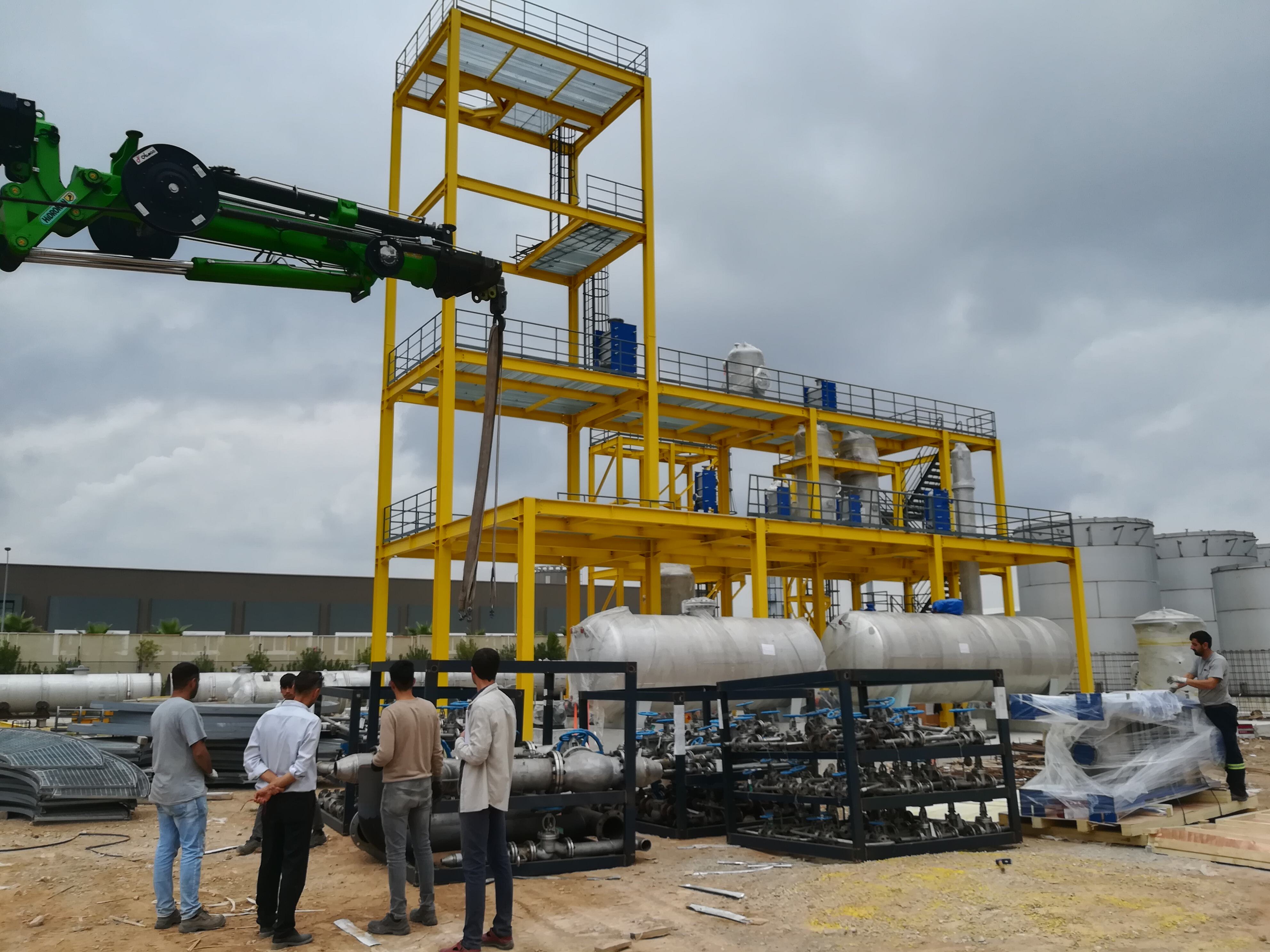
Onsite guidance means getting immediate help from seasoned pros right there at the plant when chemicals are being produced. The whole point is keeping everyone safe while making sure complicated operations run smoothly, especially when dealing with dangerous substances. These experts bring both book smarts and real world experience to bear on problems that come up daily. They deal with things like getting machines calibrated properly, figuring out if different materials will work together without causing trouble, and staying on top of all those regulations that chemical manufacturers have to follow. Their presence makes a big difference in day to day operations where mistakes can be costly or even dangerous.
The Role of Real-Time Data Access for Plant Maintenance and Operations
Today's industrial facilities rely on internet connected sensors along with central control systems to keep track of important operational factors. They watch things like temperature changes where differences need to stay below 5 degrees Celsius, monitor pressure shifts within a tight window of plus or minus 0.2 bar, and track chemical concentrations measured in parts per million. The constant flow of data allows plant operators to get early warnings about equipment problems when reactor vibrations go past 4.5 millimeters per second root mean square. Systems automatically adjust pH levels whenever neutralizing chemicals fall outside their ideal range between 6.8 and 7.2. Most importantly, safety protocols kick in to shut down operations completely if dangerous hydrocarbon levels reach just 10% of the lower explosive limit threshold.
Integration of Workflow Analysis and Process Optimization
Modern manufacturing setups are now blending old process records with digital twin tech to get a better handle on how reactions happen and where materials actually go. According to research published last year in the Chemical Engineering Journal, factories that adopted this combo approach saw their batch processing times drop by around 18%. Plus, they got much better at using catalysts too, jumping from about 72% efficiency up to nearly 90%. When operators look at what's really happening versus what the models predict, they can spot those big energy hogs in the system. Take distillation columns for instance these bad boys often eat up roughly 37% of all the electricity used in plant operations. Finding those spots lets engineers make smart adjustments that save money and resources at the same time.
Core Components of Effective Onsite Guidance Systems
Core Elements of Systematic Troubleshooting Approach
Onsite guidance systems work best when they blend established procedures with smart prediction tools that spot problems before they cause major headaches. A recent look at factory operations found plants that stuck to standard troubleshooting guides cut down on machine stoppages by almost 40% versus those relying on whatever came to mind first. What makes these systems tick? Most have live dashboards showing how machines are performing right now, databases filled with past failures and what fixed them last time, plus clear rules about who gets notified when things start going wrong across different departments. These elements together create a much smoother workflow for maintenance teams dealing with unexpected breakdowns.
Work Order Management Systems: Manual vs. Digital
The shift from paper-based work orders to cloud-enabled platforms has significantly improved response times in chemical plants. Digital systems automate 72% of repetitive documentation tasks (Process Safety Journal, 2024), allowing technicians to focus on critical interventions.
| Manual Systems | Digital Systems |
|---|---|
| 4-hour avg. work order completion | 47-minute avg. completion |
| 22% data entry errors | 3% error rate through IoT integration |
Maintenance Communication Breakdown and Mitigation Strategies
Operational silos cost chemical manufacturers $2.4M annually in preventable delays (PEMAC 2023). Centralized communication hubs within onsite guidance systems reduce this risk by embedding equipment schematics into task assignments, enabling instant cross-shift knowledge transfers, and automating safety compliance alerts.
Digital Transformation Trends in Maintenance Management
Leading facilities now combine augmented reality (AR) overlays with AI-powered diagnostic tools, achieving 91% first-attempt repair success rates. A 2024 implementation case study showed predictive algorithms reduced reactive maintenance costs by 25% and extended catalyst bed lifespans by 18 operational months.
Common Production Issues and Real-Time Onsite Responses
Addressing Unplanned Downtime and Equipment Failure
Onsite guidance systems reduce equipment-related stoppages by 34% in chemical plants with real-time monitoring (Operations Journal, 2023). These systems use IoT sensors and predictive analytics to detect early signs of pump cavitation or reactor temperature deviations, triggering automated work orders before failures occur.
Resolving Production Bottlenecks Through Process Monitoring
Advanced flow analysis tools identify distillation column inefficiencies in under 25 seconds. Operators receive step-by-step instructions via AR interfaces to adjust feed rates or catalyst ratios, maintaining production within 1.2% of optimal throughput levels.
Managing Unexpected Breakdowns With Preventive Strategies
Proactive onsite guidance reduces emergency repairs by 41% through automated lubrication scheduling based on valve cycle counts, material corrosion alerts from inline spectroscopy, and turbine vibration pattern recognition via edge computing.
Safety and Operational Risks in Chemical Manufacturing: Mitigation via Onsite Support
Integrated gas detection systems enable 90-second emergency response protocols, while digital checklists ensure proper PPE usage during maintenance. Plants using these systems achieve 98% compliance with ATEX safety standards during unexpected process upsets.
Systematic Troubleshooting: From Detection to Resolution
Implementing a Systematic Troubleshooting Approach for Rapid Response
In chemical plants, having good procedures in place makes all the difference when dealing with production problems. The whole process usually starts with spotting anomalies as they happen through continuous monitoring systems. Then comes figuring out what's wrong using those digital checklists everyone keeps talking about these days. According to some research from Process Safety International last year, plants that stuck to standard operating procedures fixed pressure issues around 40 percent quicker compared to places where workers just winged it. Once the problem area is identified, cross department teams jump in to figure out which factors are causing trouble. They focus first on fixing whatever will make the biggest impact, which helps cut down on how long operations have to stop for repairs.
Root Cause Analysis and Documentation of Issues
Root cause analysis really makes a difference when it comes to turning single incidents into broader system improvements. Techs these days are relying heavily on digital logs to track what goes wrong during different shifts. They spot problems that keep coming back again and again, stuff like valves getting corroded over time or sensors that just don't read right anymore. Facilities that connect their RCA findings with computerized maintenance management systems tend to see around a 22% drop in repeated equipment failures according to industry reports. Moving away from old fashioned paper records to central databases does more than just organize information better. It actually helps people take responsibility for maintenance tasks and makes it possible to predict when important equipment might need attention before it breaks down completely.
Case Studies on Successful Implementation of Onsite Guidance
One European chemical plant saw a 30% drop in unexpected shutdowns when they started using AI powered guidance systems on site. The workers got detailed troubleshooting steps through those fancy AR helmets whenever reactors started getting too hot, which brought down problem solving time dramatically from almost an hour and a half down to just 15 minutes flat. Across in Asia Pacific, a different facility managed to slash their maintenance expenses by around 18%. They did this by putting workflow analysis software right into the hands of technicians working in the field, so these folks could actually talk live with engineers back at headquarters while dealing with equipment issues.
Reactive vs. Proactive Troubleshooting Models in Chemical Plants
While reactive models focus on immediate repairs, proactive strategies emphasize prevention through predictive analytics. Plants combining IoT-based vibration sensors with onsite guidance protocols lowered safety incidents by 57% in high-risk zones, according to a 2024 risk management report. This dual strategy minimizes disruptions and extends asset lifespan through condition-based maintenance triggers.
Building a Proactive Troubleshooting Culture Through Training and Strategy
Proactive Troubleshooting Culture and Employee Training
Creating a strong troubleshooting culture really comes down to giving teams the tools and confidence to spot potential problems before things get out of hand. According to research from the Ponemon Institute in 2023, around two thirds of maintenance mistakes in dangerous work areas happen because protocols aren't followed consistently across the board. The best training approaches mix practical experience with real equipment alongside simulated emergency situations that help workers develop both their technical skills and their ability to prioritize safety when making decisions. Effective programs typically focus on three main areas: workshops where people learn to dig into what actually caused an issue, incorporating safety checks into regular team meetings, and establishing channels for different departments to share what they know about potential hazards and solutions.
Workforce and Training Challenges in High-Risk Chemical Environments
Balancing efficiency with safety remains a critical challenge, especially with transient workforces and skill gaps in volatile compound handling. Facilities using competency-based certification reduce safety incidents by 42% compared to traditional training models. Modular microlearning delivered via mobile platforms effectively reinforces safety standards without disrupting production schedules.
Best Practices for Effective Onsite Guidance Implementation
Consistency in onsite guidance relies on three core principles:
- Standardized documentation: Centralized digital playbooks updated in real time
- Visual workflow management: Augmented reality overlays for complex repair sequences
- Feedback loops: Post-incident reviews integrated into preventive maintenance planning
Plants adopting this triad report 31% faster issue resolution and 18% longer equipment lifespans annually.
Leveraging AI and IoT in Work Order and Asset Management
When predictive maintenance algorithms look at things like vibration levels, temperature changes, and pressure readings, they can actually predict when pumps will fail around two weeks ahead of time with pretty impressive accuracy rates hovering around 89%. The Internet of Things makes this even better because sensors automatically create work orders whenever something goes outside normal ranges, cutting down on all that tedious manual reporting by roughly three quarters. What we're seeing now is a real partnership between these smart technologies and what happens on site, resulting in systems that fix themselves before problems get serious. This kind of setup really matters in places where mistakes could have major consequences, making operations safer and more reliable day after day.
FAQ Section
What is onsite guidance in chemical plant operations?
Onsite guidance in chemical plant operations involves immediate support from experienced professionals to ensure safety and efficiency during chemical production processes. These experts handle machine calibration, material compatibility, and compliance with regulations.
How does real-time data contribute to plant maintenance?
Real-time data from internet-connected sensors helps in tracking operational factors such as temperature, pressure, and chemical concentrations. This allows early warnings of potential equipment issues and automatic adjustments for safety measures.
What are some benefits of digital systems over manual work order management?
Digital systems significantly improve response times by automating 72% of documentation tasks, reducing data entry errors, and enabling quicker completion of work orders compared to manual systems.
How can chemical plants effectively mitigate communication breakdowns?
Implementing centralized communication hubs within onsite guidance systems helps reduce communication breakdowns by integrating equipment schematics into task assignments and enabling instant cross-shift knowledge transfers.
Table of Contents
- Understanding Onsite Guidance in Chemical Plant Operations
- Core Components of Effective Onsite Guidance Systems
- Common Production Issues and Real-Time Onsite Responses
- Systematic Troubleshooting: From Detection to Resolution
- Building a Proactive Troubleshooting Culture Through Training and Strategy
- FAQ Section