
 EN
EN
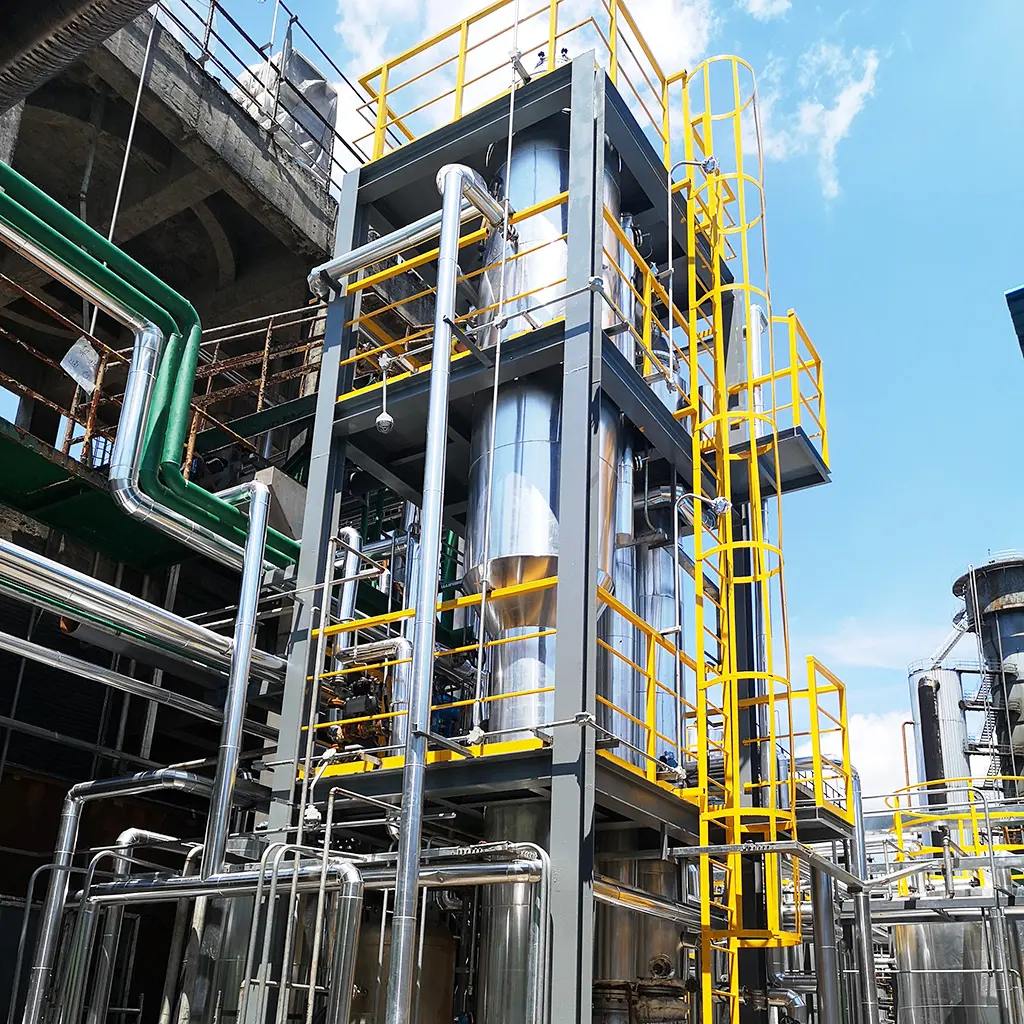
Revitalizing Performance: The Strategic BPA Plant Revamp with Advanced Catalysis
In the global polycarbonate supply chain, the efficiency of Bisphenol-A (BPA) production is a primary determinant of a manufacturer's competitive edge. As industrial demands for high-purity BPA intensify, many aging facilities are finding that their legacy catalyst systems simply cannot keep pace with modern performance benchmarks. The catalytic reaction in BPA synthesis—a sophisticated union of phenol and acetone—is notoriously sensitive to reactor conditions. Even slight imbalances in selectivity can result in high concentrations of undesired isomers, leading to significant downstream purification losses. For plant operators and engineering leads, the decision to undertake a revamp project with a state-of-the-art catalyst system is not merely a maintenance task; it is a fundamental, data-driven strategy to reclaim lost capacity, enhance product purity, and ensure the long-term economic viability of the entire production site.
Mastering Reaction Dynamics Through Advanced Catalytic Engineering
The heart of any successful BPA plant revamp lies in the seamless integration of a new catalyst system into the existing reactor geometry. Modern, high-selectivity catalysts operate on principles of molecular shape-selectivity, which allows for a sharper focus on the para-para isomer while suppressing the formation of ortho-para products. Engineering experience demonstrates that when this catalytic precision is matched with optimized reactor internals—such as improved flow distributors and temperature control zones—the increase in overall yield can be transformative. The engineering challenge is to achieve this without disrupting the established mechanical integrity of the reactor. By meticulously modeling the reaction kinetics and heat transfer profiles before implementation, engineering teams can ensure that the new system operates at its optimal theoretical efficiency, effectively turning a legacy reactor into a high-precision, modern synthesis engine.
Navigating the Engineering Complexities of Plant Retrofits
Executing a plant-wide revamp is a high-stakes operation that demands absolute precision in every technical detail. Retrofitting a BPA reactor requires a deep, cross-disciplinary understanding of process thermodynamics, materials science, and reactor hydraulics. From the initial inspection of internal baffles and packing supports to the precise loading protocols of the new catalyst, every step must be managed to avoid operational risks. The goal of a modern revamp is to achieve "plug-and-play" compatibility with existing downstream distillation units. This requires an exhaustive assessment of how changes in the reaction stream will affect the purification load. By maintaining this holistic view of the plant, engineers can resolve potential bottlenecks in the distillation section during the design phase, ensuring that the facility experiences a smooth, rapid transition to the new, higher-output production regime.
Translating Technical Optimization into Tangible Business Profitability
The commercial impact of a successful catalyst revamp is both immediate and profound. By increasing the per-pass yield and reducing the generation of heavy-end byproducts, manufacturers can significantly lower their specific raw material consumption per ton of finished product. This creates a leaner, more cost-effective production model that provides a crucial buffer against the volatility of phenol and acetone prices. Furthermore, modern catalysts often operate with lower energy intensity, which lowers the overall utility burden of the plant. For businesses, this translates to a faster payback on the initial engineering investment, improved margins, and a more robust stance in a saturated global market. In an era where sustainability is critical, demonstrating an improved carbon-per-ton footprint also positions the manufacturer as a preferred partner for global polycarbonate customers who are increasingly prioritizing greener supply chains.
Sanli Tech: A Strategic Partner in Chemical Plant Transformation
Successfully scaling up a BPA plant's performance through a catalyst revamp requires more than just high-quality material supply; it demands a deep, strategic, and cross-disciplinary understanding of process integration and comprehensive project lifecycle management. Sanli Tech serves as a specialized, high-level partner in this domain, offering integrated engineering solutions that bridge the gap between process theory and industrial-scale reality. With extensive experience in reactor system design, complex fluid dynamic analysis, and global hardware sourcing, Sanli Tech provides end-to-end support that spans the entire revamp lifecycle. Whether the immediate objective is to resolve a specific production bottleneck, conduct a total process revamp, or execute a complex, turnkey installation, the technical leadership and reliable supply chain services provided by Sanli Tech ensure that production systems are optimized for maximum efficiency, absolute safety, and consistent, high-purity output. By integrating cutting-edge research with reliable manufacturing and project management, Sanli Tech empowers operators to maintain a competitive, high-performance edge in the rapidly evolving and highly demanding global chemical market.
Table of Contents
- Revitalizing Performance: The Strategic BPA Plant Revamp with Advanced Catalysis
- Mastering Reaction Dynamics Through Advanced Catalytic Engineering
- Navigating the Engineering Complexities of Plant Retrofits
- Translating Technical Optimization into Tangible Business Profitability
- Sanli Tech: A Strategic Partner in Chemical Plant Transformation