
 EN
EN
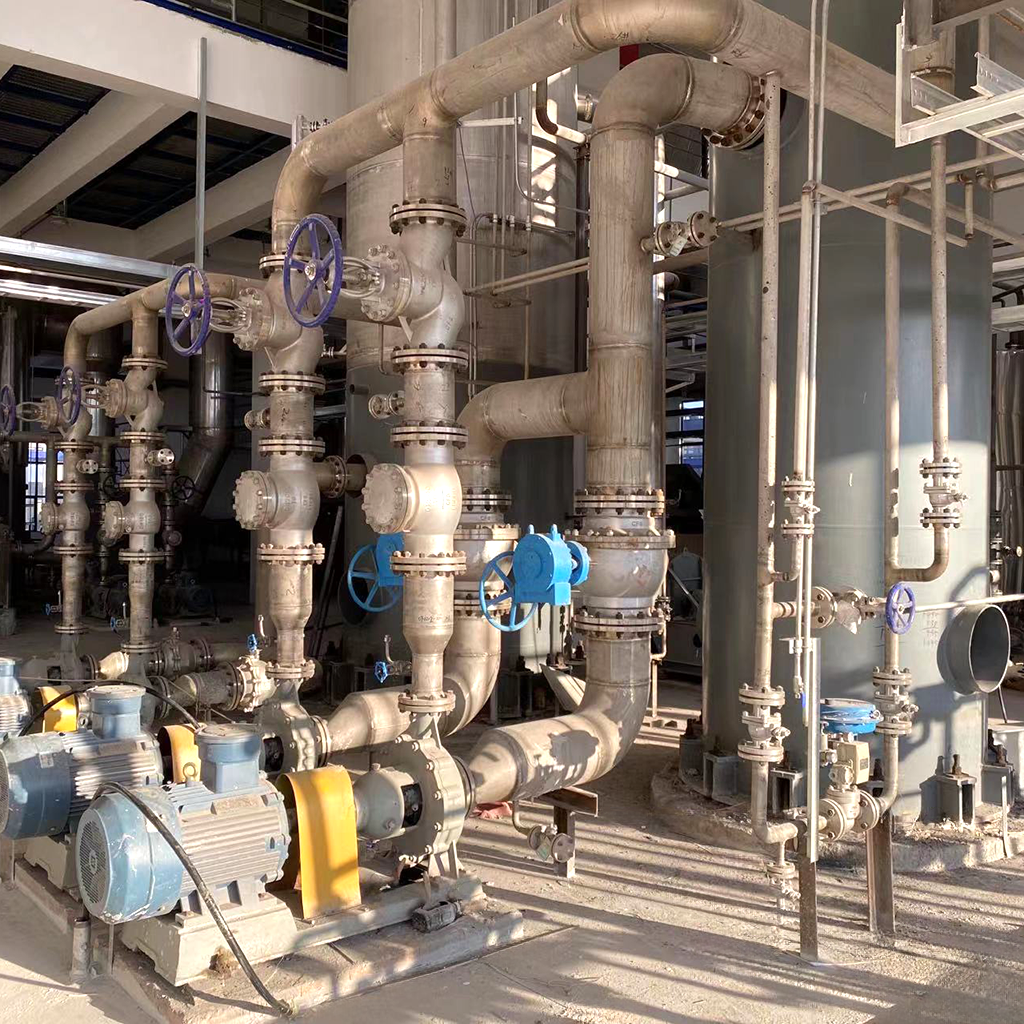
The Critical Role of Reactor Internals in MMA Production
In the highly demanding world of Methyl Methacrylate synthesis, the overall efficiency of a reactor is the main factor determining production yield, chemical selectivity, and the long-term safety of the entire plant. While the massive pressure vessel itself provides the necessary physical containment, the internal components—often referred to simply as reactor internals—are the genuine heart of the synthesis process. These components are responsible for the precise distribution of various feedstocks, the uniform management of exothermic or endothermic reactions, and the effective separation of gas-liquid phases. For seasoned chemical engineers and dedicated plant operators, the detailed design of these internals is far more than a routine mechanical task; it is a critical, complex engineering endeavor that directly influences operational profitability and the overall stability of the process for years to come.
Fundamental Challenges in MMA Reactor Engineering
The synthesis of MMA involves extremely sensitive catalytic reactions that require exact environmental control. A common, persistent challenge in large-scale reactors is the development of flow maldistribution, which can lead to dangerous "hot spots" within the catalyst bed. Such thermal anomalies not only degrade the quality of the final product but can also cause irreversible structural damage to the expensive catalyst, leading to costly and disruptive unscheduled downtime. Effective internals must be designed to actively counteract these phenomena through advanced flow dynamic simulations. By ensuring the uniform distribution of gas and liquid streams across the entire cross-section of the reactor, engineers can maintain consistent reaction kinetics. This maximizes the total throughput of the plant while simultaneously minimizing the formation of unwanted byproducts that complicate downstream purification efforts.
Advanced Design Principles for Internals
Designing high-performance internals requires a comprehensive understanding of fluid mechanics and complex chemical interactions. Precision-engineered liquid distributors and gas-liquid contactors are essential to ensure the maximum contact area between all involved reagents. Furthermore, catalyst support grids must be meticulously calculated to handle both the massive static weight of the catalyst and the heavy dynamic forces generated by the high-velocity process flow, while simultaneously maintaining an open structure to prevent unnecessary pressure drops. Experienced engineering teams often utilize computational fluid dynamics to iterate on these designs, ensuring that internal velocity profiles are perfectly optimized for the specific reaction path of the MMA process. This level of design sophistication turns standard vessel components into high-value instruments for process enhancement, pushing the limits of what a reactor can achieve.
Material Selection and Corrosion Mitigation
The operational environment inside an MMA reactor is notoriously aggressive, frequently involving extreme temperatures and highly corrosive chemical species. Consequently, the selection of materials for these internal components is just as important as the geometry of the components themselves. Utilizing advanced metallurgy—such as high-nickel alloys or specialized stainless steels—is a standard practice to prevent accelerated wear, structural fatigue, or sudden failure. Beyond material choice, fabrication quality plays a vital role in long-term reliability. Precision welding techniques and stress-relieving processes are absolutely required to eliminate vulnerabilities at joints and critical connections, which are typically the first points of failure under harsh industrial conditions. Ensuring the total integrity of these components over years of continuous service is the cornerstone of a safe, stable, and truly reliable industrial operation.
Engineering Excellence and Strategic Manufacturing
Achieving optimal performance in MMA production requires a partner that possesses both deep process knowledge and robust, scalable manufacturing capabilities. SL-TECH has established itself as a clear leader in this domain, providing bespoke solutions that address the specific metallurgical and fluid dynamic challenges of the MMA synthesis process. By combining modular engineering design with rigorous, transparent quality assurance protocols, SL-TECH ensures that every single internal component is built to perform under extreme operational conditions without compromise. Whether the project involves retrofitting an existing reactor to improve efficiency or designing custom internals for a new grassroots plant, the ability to provide expert technical consultation alongside advanced fabrication ensures that the facility maintains a strong competitive edge. This commitment to engineering precision helps streamline project timelines and enhances the reliability of the entire synthesis train, allowing operators to focus on their primary production goals.
Maximizing Process Performance Through Collaboration
The detailed design of reactor internals serves as a foundational element in the success of any modern MMA production facility. Investing in high-performance, precision-engineered components not only mitigates the risks of process instability but also creates a reliable platform for continuous improvement and operational excellence. As chemical industries continue to evolve toward higher efficiency and significantly stricter safety standards, the importance of technical partnerships cannot be overstated. By working with dedicated specialists who understand the intricate, granular requirements of chemical synthesis, plant operators can ensure that their reactors operate at peak efficiency for the entire duration of their lifecycle. This leads to long-term economic returns, increased technological stability, and a safer working environment for everyone involved in the production cycle.