
 EN
EN
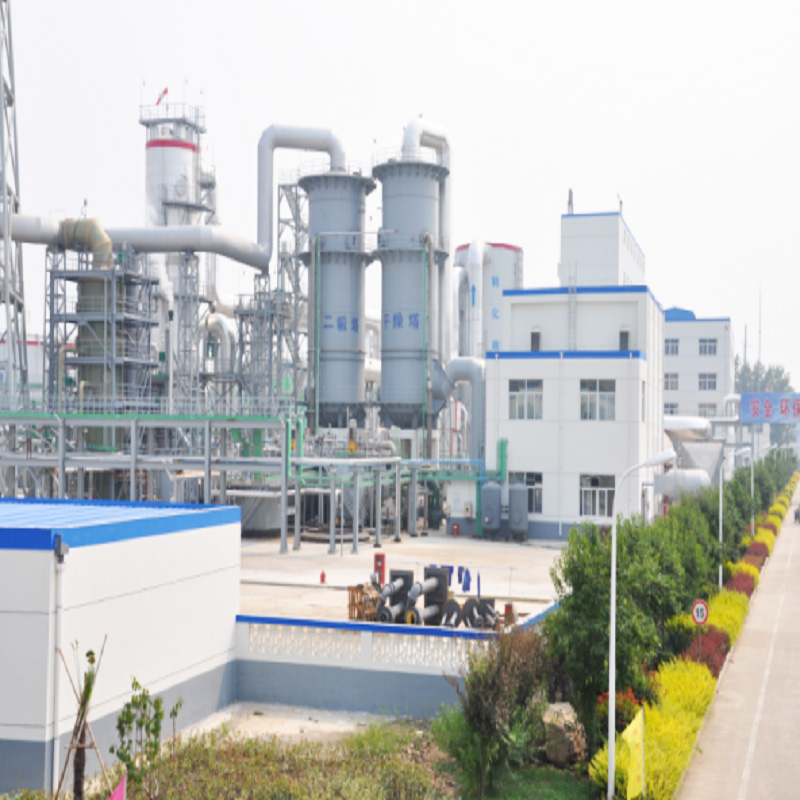
High-Purity Paraformaldehyde and Industrial Performance
Paraformaldehyde stands as a vital building block in the global chemical manufacturing landscape, serving as the essential foundation for high-performance resins, specialized pharmaceutical intermediates, and advanced polymers. When chemical manufacturers reach for paraformaldehyde, the requirement for purity is not just a preference; it is a fundamental necessity for maintaining process stability and ensuring the success of downstream operations. Trace impurities, which are often overlooked in standard commodity-grade supplies, act as silent disruptors in a chemical plant. These minor contaminants trigger premature polymerization, lead to inconsistent product colors, or cause problematic side reactions that can haunt production lines for days. Achieving top-tier purity levels requires a move beyond traditional chemical synthesis and standard distillation paths. Modern crystallization techniques offer a truly transformative approach, focusing on isolating impurities at the molecular level to establish a new, higher standard for industrial raw materials.
Technical Nuances of Modern Crystallization Processes
At the core of producing exceptional paraformaldehyde is the mastery of crystallization kinetics. Conventional cooling methods frequently struggle with achieving perfectly uniform crystal growth, which often leads to the entrapment of impurities within the complex crystal lattice structure. Advanced crystallization methodologies, by contrast, rely on precision-controlled, multi-stage precipitation. By carefully managing saturation environments and cooling transitions, manufacturers can effectively isolate formaldehyde oligomers while leaving behind unstable, undesired components in the mother liquor. Sophisticated computational fluid dynamics are now frequently utilized to map these microscopic transitions, ensuring that every batch exhibits a consistent crystal structure from start to finish. This high level of consistency is the hallmark of quality. It provides the stability required for long-term storage and ensures that the chemical behavior remains perfectly predictable when it finally arrives at the client's reactor, allowing for seamless integration into existing formulations.
Balancing Production Output with Material Integrity
A common challenge in the chemical industry involves the ongoing tension between high-volume throughput and absolute material purity. In previous eras, achieving the highest possible purity grades often came at the cost of production efficiency, as longer processing times were required. However, the modern integration of automated, closed-loop processing systems has fundamentally changed this equation. By maintaining a constant, steady-state environment during the crystallization phase, it is possible to optimize residence times without sacrificing the structural integrity of the crystal. This operational balance is absolutely critical for large-scale industrial consumers who require absolute supply chain continuity. When chemical behavior is predictable batch after batch, manufacturers can operate their own processes with far greater confidence, drastically reducing the need for constant, costly adjustments to their chemical formulations.
Sustainability and Economic Advantages
Modern crystallization techniques are actively driving a shift toward more sustainable, environmentally conscious chemical manufacturing. By operating under more efficient thermal conditions compared to older, energy-intensive distillation methods, modern crystallization units consume far less power, leading to a smaller environmental footprint. Furthermore, the use of high-purity paraformaldehyde generates significant downstream economic benefits that ripple throughout the entire supply chain. Because the input material is exceptionally clean and free of unwanted byproducts, manufacturers face fewer issues with reactive waste, side-product disposal, and expensive formulation errors. From a long-term economic perspective, investing in higher-grade chemical supplies is a strategic decision that benefits the bottom line. It lowers the total cost of ownership by reducing the hidden expenses associated with process instability and material waste, allowing for a much cleaner production cycle.
The Role of SL-TECH in the Supply Chain
Technical expertise is truly valuable only when it is matched by a reliable, transparent, and robust supply chain partner. SL-TECH provides this crucial link between complex chemical requirements and industrial reality. SL-TECH leverages deep manufacturing capabilities and an unwavering commitment to processing excellence to ensure that clients receive a product that is not just a chemical, but a performance-enhancing tool for their operations. By focusing on unwavering consistency and rigorous, multi-layered quality standards, SL-TECH enables partners to achieve superior results in their most demanding applications. As industries continue to push the boundaries of what is possible in polymer science and pharmaceutical synthesis, the need for a stable, high-purity supply chain becomes even more pronounced. SL-TECH stands ready to support these evolving industrial needs, offering the expertise, infrastructure, and technical support necessary to thrive in increasingly competitive global markets.
The Future of High-Purity Raw Materials
As the chemical industry continues to evolve, the demand for precision-engineered materials will only grow. The shift toward advanced crystallization is part of a broader, global trend toward smarter, more efficient manufacturing processes. Companies that prioritize the quality of their raw materials gain a massive competitive edge by ensuring that their end products consistently meet the highest performance metrics in the market. The partnership between cutting-edge technical innovation and reliable, proactive supply chain management is what defines the next generation of industrial chemical leadership. By selecting high-purity paraformaldehyde produced through refined crystallization techniques, organizations ensure that their processes are built on a solid, reliable foundation, ready to meet the complex challenges of tomorrow's advanced manufacturing demands.