
 EN
EN
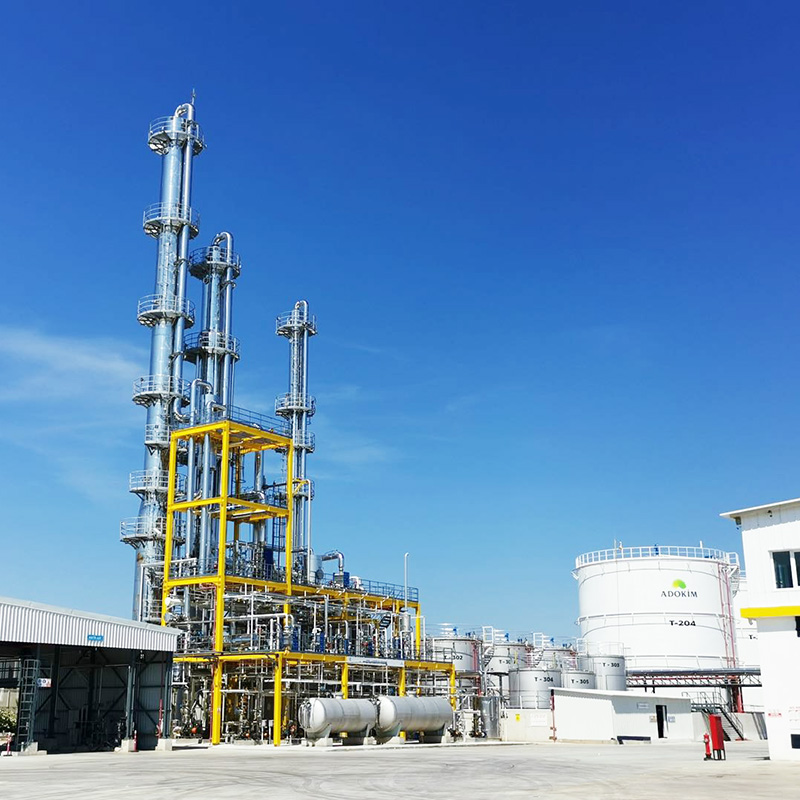
The Evolution of Green Solvent Manufacturing
In the rapidly shifting world of chemical production, finding truly sustainable solvents has moved from a secondary goal to an absolute industrial requirement. Methylal, recognized for its versatility and eco-friendly profile, stands out as a critical building block in green chemistry, pharmaceutical development, and high-performance resin manufacturing. As industries worldwide face increasing pressure to reach carbon neutrality and significantly limit volatile organic compound emissions, the focus naturally shifts to how these essential chemicals are actually made. Conventional production techniques often rely on older, energy-draining separation methods that end up working against the sustainability goals these industries claim to support. Improving the energy profile of the purification stage is the most practical way to transform the environmental footprint of solvent manufacturing. This shift is not just about environmental compliance; it is about future-proofing operations against rising energy costs and evolving regulatory standards.
Conquering the Azeotropic Challenge
Creating high-purity Methylal presents a significant engineering hurdle: the tendency of the substance to form a minimum-boiling azeotrope when combined with methanol and water. Standard distillation approaches, which generally rely on basic temperature fluctuations, frequently fall short when attempting to cleanly break these chemical bonds. This limitation leads to frustrating yield losses, unnecessary energy consumption, and risks regarding product purity. Seasoned process engineers understand that overcoming this obstacle requires more than just traditional rectification. It necessitates a deep, granular grasp of thermodynamic behavior and phase equilibrium. By moving beyond outdated separation models, manufacturers can achieve superior purity levels while drastically cutting down on systemic waste. The ability to navigate these thermodynamic complexities is what separates leaders from laggards in the competitive chemical sector.
Harnessing the Power of Pressure Swing Distillation
Pressure Swing Distillation has become the gold standard for separating complex azeotropes without resorting to additional chemical entrainers that might introduce unwanted impurities. By strategically exploiting how azeotropic compositions react to shifts in operating pressure, this technology allows for the separation of Methylal from its component parts in an incredibly efficient manner. Operating across varying pressure ranges effectively alters the vapor-liquid equilibrium, creating a path for clean separation that remains both energetically favorable and operationally precise. This method reduces total heat requirements by optimizing reboiler performance, ensuring that the process stays well-aligned with international standards for low-carbon chemical production. The precision involved in managing these pressure swings requires high-level equipment and constant monitoring, which ensures that the end product meets the most stringent purity benchmarks required by downstream industries.
Economic and Environmental Advantages
Transitioning to production models built on advanced distillation yields immediate benefits for both the balance sheet and the environmental record. From a strictly economic perspective, minimizing energy intensity—particularly through the reduction of steam usage—directly boosts competitiveness in a market that remains sensitive to shifting supply chain costs. On the environmental side, the sheer efficiency of this technology slashes the carbon footprint associated with every batch produced. For manufacturing leaders, adopting these methods is far more than a simple cost-cutting tactic; it represents a fundamental step toward staying ahead of tightening global environmental regulations. Integrating such high-level technology serves as a clear signal of long-term commitment to sustainable operations and process excellence. Companies that prioritize these improvements will inevitably see better long-term returns as the market continues to reward cleaner production methods.
SL-TECH and Operational Excellence
Strategic chemical sourcing requires more than just access to raw materials; it demands a partnership with experts capable of managing high-stakes production environments. SL-TECH leverages deep process engineering knowledge to implement sophisticated separation strategies, ensuring a consistent, high-purity product for every client application. Robust manufacturing capabilities, paired with rigorous quality control frameworks, bridge the often difficult gap between complex chemical engineering and reliable, market-ready solutions. Choosing a partner like SL-TECH allows businesses to secure a supply chain built on technical reliability, operational transparency, and a constant drive toward green innovation. By maintaining such high standards, SL-TECH ensures that clients receive material that adheres to the strictest safety and performance guidelines.
Looking Toward a More Sustainable Future
Adopting advanced Pressure Swing Distillation for Methylal production marks a definitive turning point toward smarter, more efficient chemical processing. As the global industrial sector continues to prioritize environmental stewardship, the demand for high-purity, low-impact solvents will only continue to accelerate. Organizations that choose to invest in these advanced separation technologies today will find themselves firmly positioned at the front of this industrial transition. SL-TECH leads this charge, effectively connecting cutting-edge process design with the practical demands of the global chemical market, ensuring a cleaner and more efficient future for partners across the globe. By focusing on engineering precision, manufacturers can prove that high-performance chemistry and environmental responsibility are not mutually exclusive goals, but are instead the foundational pillars of the next generation of industrial success. Success in this field requires constant vigilance regarding energy usage and a willingness to adopt the latest distillation techniques available in the current market. Ultimately, the future belongs to those who view process innovation as the key to long-term survival and prosperity in the global chemical landscape.