
 EN
EN
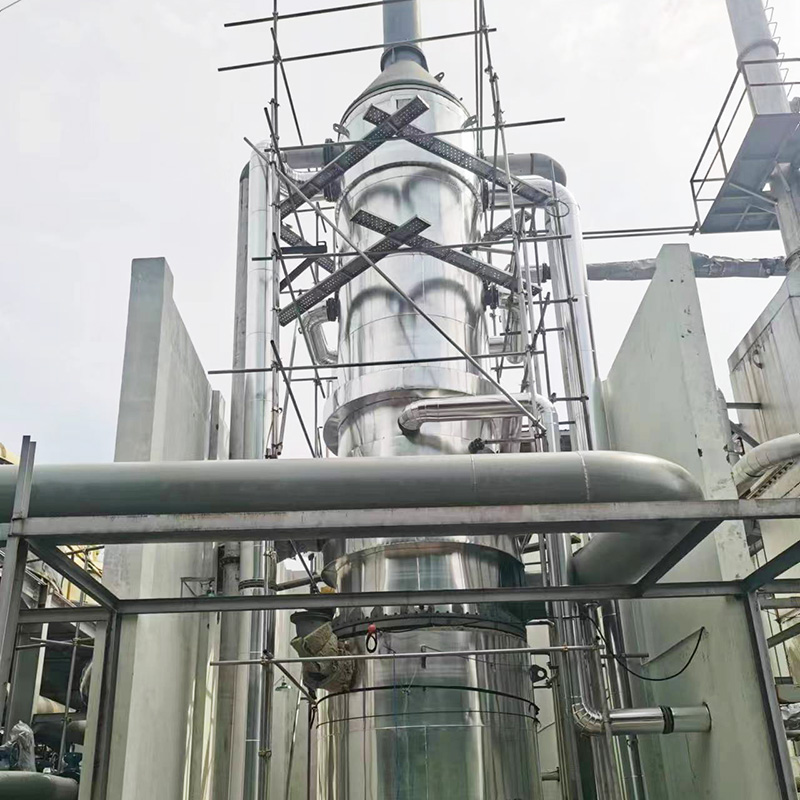
The Digital Transformation of Catalytic Formaldehyde Synthesis
The production of formaldehyde using the iron-molybdenum (Fe-Mo) catalyst process stands as one of the most chemically sensitive and demanding operations within the entire industrial sector. As we navigate through 2026, the global chemical market demands much more than just high-volume output; it requires an uncompromising, absolute level of process stability, repeatability, and site safety. The traditional approach to plant monitoring—heavily relying on manual operator intervention and scattered, localized analog gauges—is no longer sufficient to maintain a competitive edge in such a high-stakes environment. The strategic implementation of an Advanced Distributed Control System (DCS) has rapidly emerged as the essential industry standard for modern manufacturers aiming to finally bridge the dangerous gap between volatile chemical reactions and consistent, high-yield industrial production.
Mastering the Complex Thermodynamics of the Fe-Mo Process
The iron-molybdenum catalyst process for formaldehyde synthesis is intensely exothermic, which means it generates massive amounts of heat that must be managed with surgical, split-second precision. The core engineering challenge centers on the reactor bed temperature profile; if the temperature deviates even slightly from the optimal window, the sensitive catalyst can suffer from irreversible sintering. This degradation leads to sharply decreased yields, significant financial loss, and an accelerated need for catalyst replacement. An advanced DCS provides the fine-grained, real-time control necessary to balance the methanol-to-air ratio while simultaneously maintaining a perfectly stable heat exchange environment. By utilizing complex PID loops and sophisticated feed-forward control algorithms, the system continuously adjusts critical process parameters well before environmental fluctuations can ever impact the final reaction quality. This high level of technical oversight is exactly what separates average operational performance from true, industrial-grade excellence.
Operational Visibility and Predictive Data Analytics
Before the widespread adoption of modern, intelligent DCS platforms, plant operators often worked in a purely reactive state—trying to correct issues only after they became clearly visible in the product quality metrics. Today, an advanced control environment completely shifts this outdated paradigm toward a proactive, insight-driven state. By integrating field-mounted smart sensors with a centralized, high-speed DCS, operators gain total, transparent visibility over the entire plant operation. Real-time trends of catalyst bed pressures, cooling media flow rates, and exhaust gas compositions are instantly accessible and trend-analyzed by the system. This comprehensive visibility allows for the early, accurate detection of subtle process shifts that might signal early-stage fouling or potential equipment fatigue, enabling technical teams to perform necessary predictive maintenance instead of constantly responding to unplanned, emergency plant shutdowns.
Engineering Maximum Safety into the Control Logic
In the synthesis of formaldehyde, safety is universally recognized as the highest operational priority. The mixture of methanol and air exists within a very specific, volatile range that requires extremely careful, automated handling to prevent the formation of explosive atmospheres. Advanced DCS configurations provide multiple, independent layers of safety-instrumented systems (SIS) that operate effectively regardless of the primary regulatory control loop. These systems are pre-programmed with robust logic designed to handle emergency scenarios—such as automatic purging cycles, rapid cooling sequences, or immediate feed interruption—without ever requiring human cognitive processing during a high-pressure crisis. This automated safeguard ensures that even in the unlikely event of major equipment failure or sensor malfunction, the plant automatically defaults to a safe, stable state, thereby protecting both the on-site personnel and the company’s heavy capital assets.
SL-TECH: Engineering Excellence in Control Integration
Upgrading to an advanced, future-ready DCS is a complex engineering endeavor that requires far more than just high-end hardware installation; it requires deep, intimate, and practical knowledge of the chemical process itself. SL-TECH specializes in the seamless integration of custom control systems for high-performance formaldehyde plants, ensuring that the software logic is perfectly synchronized with the specific thermodynamics of the iron-molybdenum reaction process. With a proven, decades-long history of designing and optimizing complex plant architectures, the team at SL-TECH delivers tailor-made DCS solutions that are specifically built for long-term reliability and operational longevity. By aligning advanced automation technology with rigorous, field-tested process engineering, SL-TECH enables producers to extract maximum efficiency from their expensive catalyst systems. Whether through high-level system architecture design, field instrumentation integration, or precise custom programming, SL-TECH provides the reliable technical foundation that ensures a plant remains stable, productive, and fully prepared for the future.
Defining the Future of Industrial Chemical Production
Investing in an advanced DCS is not merely a digital equipment upgrade; it is a fundamental pillar for modern, sustainable, and highly profitable chemical production. By replacing human uncertainty with automated, high-speed precision, manufacturers can significantly reduce their energy consumption per ton of product and drastically extend the operational life of their catalyst investments. As the global industry continues to advance, the bridge between manual, error-prone control and full-scale, intelligent automation will be built by specialized partners who prioritize both technical rigor and operational safety. Choosing the right control strategy is the final, decisive step toward ensuring that a formaldehyde plant not only meets the rigorous standards of 2026 but remains a reliable, high-performing engine for growth in the many decades to follow.
Table of Contents
- The Digital Transformation of Catalytic Formaldehyde Synthesis
- Mastering the Complex Thermodynamics of the Fe-Mo Process
- Operational Visibility and Predictive Data Analytics
- Engineering Maximum Safety into the Control Logic
- SL-TECH: Engineering Excellence in Control Integration
- Defining the Future of Industrial Chemical Production