
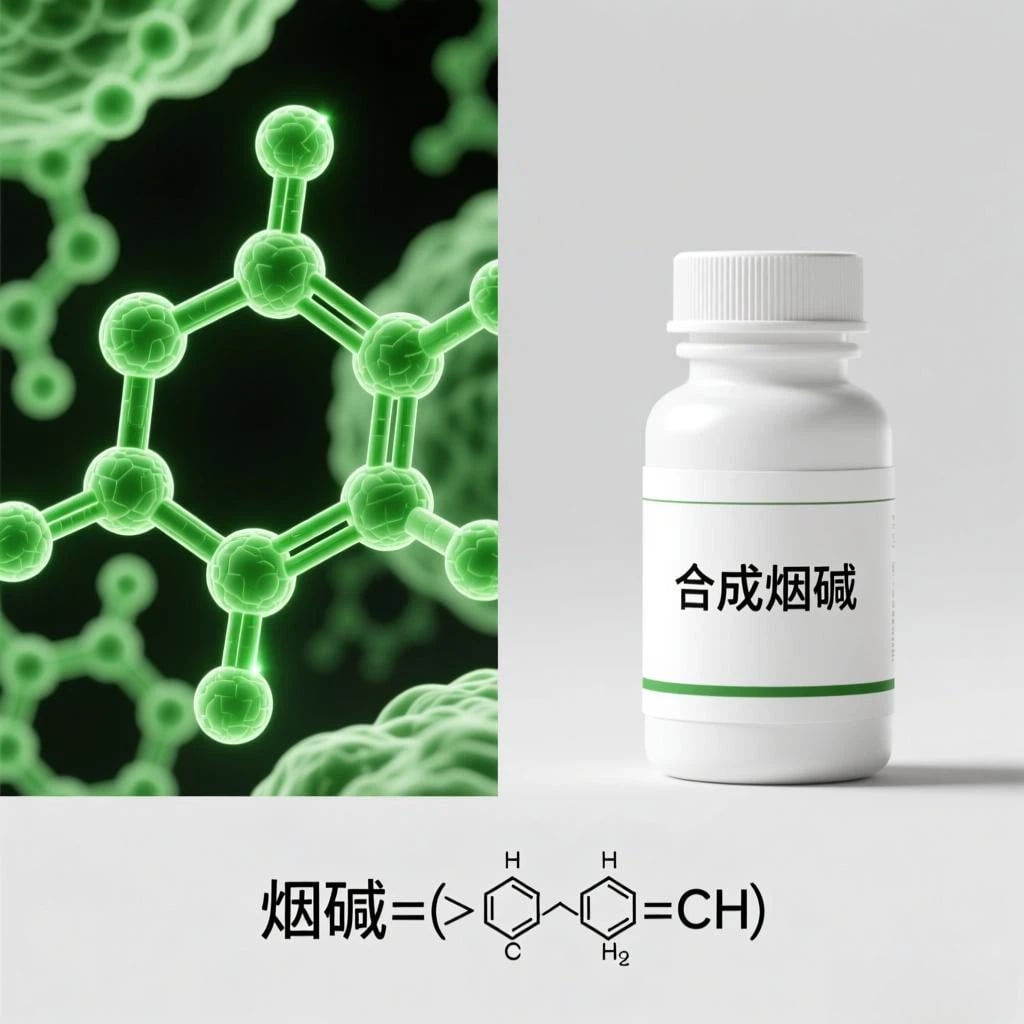
Synthetic nicotine is a lab-manufactured version of the nicotine naturally found in tobacco plants, produced via chemical synthesis without any tobacco raw materials. It shares the same molecular structure and physiological effects as natural nicotine, delivering the familiar sensory experience for users. With a controlled production process, it ensures high purity and consistent quality, free from harmful impurities like tar and heavy metals present in tobacco-derived nicotine. Widely used in modern nicotine products, it offers a more standardized and safer alternative to natural tobacco nicotine, adhering to strict quality and safety standards in manufacturing.
Synthetic nicotine is a lab-manufactured version of the nicotine naturally found in tobacco plants, produced via chemical synthesis without any tobacco raw materials. It shares the same molecular structure and physiological effects as natural nicotine, delivering the familiar sensory experience for users. With a controlled production process, it ensures high purity and consistent quality, free from harmful impurities like tar and heavy metals present in tobacco-derived nicotine. Widely used in modern nicotine products, it offers a more standardized and safer alternative to natural tobacco nicotine, adhering to strict quality and safety standards in manufacturing.
Applications of Synthetic Nicotine
1. New Tobacco Sector
Synthetic nicotine is a core raw material for export-oriented new tobacco products. Leveraging its advantages of high purity and no tobacco-specific nitrosamines, it is widely used in mainstream overseas new tobacco products such as e-cigarette e-liquid, nicotine pouches and oral tobacco. It also serves as a key ingredient in exported smoking cessation aids including smoking cessation patches and chewing gums. Aligning with the global trend of tobacco harm reduction, it provides core support for the upgrading of overseas tobacco consumption.
2. Pharmaceutical and Research Sector
Synthetic nicotine is an important raw material for pharmaceutical R&D and scientific research. It can be used to synthesize vitamin drugs such as nicotinic acid and niacinamide, and provide fundamental support for the R&D of neurological drugs for depression, Alzheimer's disease, Parkinson's disease and other conditions, with its potential neuroprotective and cognitive regulatory effects attracting great attention in the scientific research community. In addition, as an important research tool in neuroscience and pharmacology, synthetic nicotine is widely applied in basic research on addiction mechanisms and neural signal transmission, facilitating the innovative development of smoking cessation drugs and treatment regimens for neurological diseases. A small amount can also be used in the R&D of topical preparations for relieving joint pain and muscle spasm.
3. Agricultural Sector
Synthetic nicotine and its derivatives are high-quality agricultural raw materials in the green agriculture field. As a broad-spectrum contact insecticide, it can effectively control common diseases and pests such as aphids, thrips and cabbage worms on various crops including vegetables, fruit trees and rice, with the environmental characteristics of low residue and easy degradation, complying with the development requirements of green agriculture. At low concentrations, synthetic nicotine can also exert the effect of plant growth regulation, helping to improve the cold resistance and stress resistance of crops, and providing support for the stable and high yield of crops in modern agricultural scenarios such as greenhouse planting.

POM (Polyformaldehyde) Plant

Methyl Acetate Plant

Crude Phenol Purification Plant
HM-202A
 EN
EN