Detailed guide on the gas-phase urotropine (HMTA) production process. Explore the reaction route, core equipment, DCS control points, and international standards.
Urotropine, chemically known as hexamethylenetetramine (commonly abbreviated as HMTA) and also called hexamine, is a cyclic amine compound formed by the condensation of formaldehyde and ammonia. Industrially, the gas-phase process is the mainstream production route, characterized by continuous operation, efficient utilization of reaction heat, and mother-liquor recycling. Product purity can reach 99.3% or higher, with high-specification product reaching 99.5%, meeting the requirements of pharmaceuticals, reagents, resin curing, and explosive synthesis, among other fields.
1. Process Route
A gas-phase urotropine plant is typically divided into three sections—ammoniation reaction, crystallization and drying, and ammonia recovery—forming a closed loop of mother-liquor circulation and ammonia recovery.
Ammoniation reaction section is the core reaction unit. High-temperature formaldehyde gas from the upstream formaldehyde plant and vaporized ammonia gas are fed in proportion into an ammoniation reactor containing circulating mother liquor, where they undergo bubble-column reaction in the liquid phase to form urotropine. Reaction and concentration occur simultaneously within the reactor: utilizing the latent heat of formaldehyde and the reaction heat (745.29×10³ J/mol), water and some unreacted materials are withdrawn under vacuum, thereby both removing reaction heat and achieving concentration.
Crystallization and drying section handles the liquid-phase material from the reactor. The concentrated liquor (solid-liquid ratio approximately 15%–30%) enters a crystallization receiver for preliminary solid-liquid separation; the overflow mother liquor returns to the reactor, while the underflow concentrated liquor is dewatered in a centrifuge to a moisture content of 3%–5%, and the wet material is sent to a dryer, with the final product moisture reduced to ≤0.5% and purity ≥99.3%. Drying tail gas is subjected to cyclone separation and scrubbing to recover dust. During mother-liquor recycling, if color exceeds the limit, part of the mother liquor is treated in an activated-carbon decolorization tank, filtered through a plate-and-frame filter press, and returned to the system.
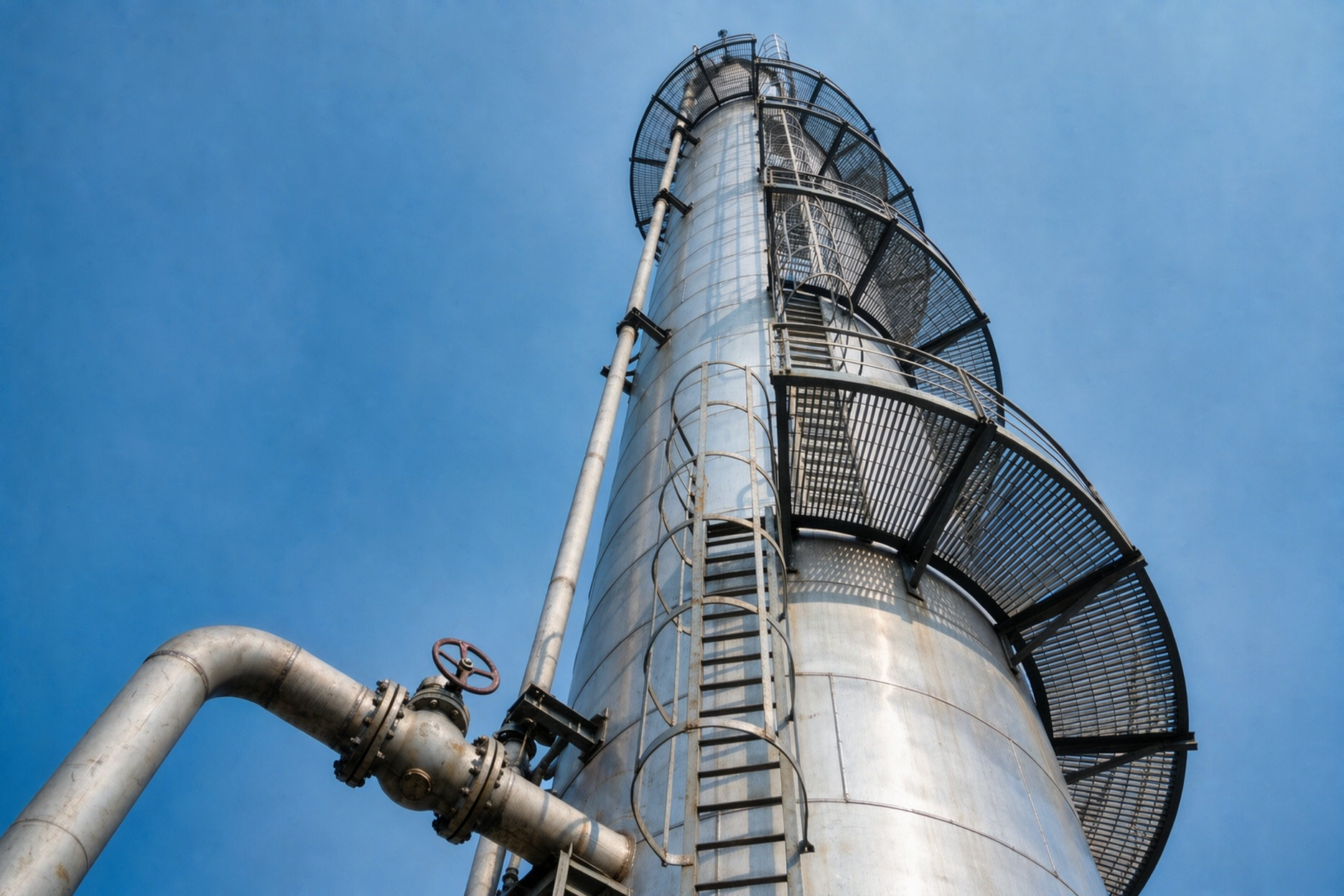
Ammonia recovery section treats the dilute ammonia water produced after condensing and water-scrubbing the reaction tail gas. The dilute ammonia water is stripped with steam in an ammonia desorption tower (packed tower), typically controlled at a bottom temperature of about 125°C and a pressure of about 0.4 MPa; the ammonia water withdrawn from the top is returned to the reactor for recovery, and the bottom wastewater can be used as makeup water for circulating water.
2. Main Equipment
The core process-specific equipment includes: ammoniation reactor (with agitator and heat-exchange coils/jacket), crystallization receiver, centrifuge, drying system (including cyclone separator train), ammonia desorption tower (packed tower), ammonia evaporator, ammonia filter, mother-liquor circulation tank, mother-liquor decolorization tank and plate-and-frame filter press, as well as various coolers (mother-liquor cooler, tail-gas cooler, etc.) and tail-gas absorption/recovery scrubbers.
Process detection and control instruments mainly include: pH analyzer (key analytical instrument), electromagnetic flowmeters and vortex/swirl flowmeters, differential-pressure transmitters, pressure transmitters, radar level gauges and differential-pressure level transmitters, RTDs/thermocouples, pneumatic control valves and pneumatic shut-off valves, and combustible/toxic gas detection alarms.
3. Key Points of Industrial Production Control
The control scheme uses DCS as the central hub, implementing centralized monitoring and automatic regulation of key process parameters, with the core objective of suppressing reverse and side reactions and ensuring continuous, stable operation.
Reaction pH and ammonia excess are the most critical control indicators. The reaction must proceed under alkaline conditions, typically with reaction liquor pH controlled at 8–9 and ammonia excess maintained at about 1%, to effectively suppress the reverse decomposition of urotropine under acidic or neutral conditions and reduce side-product formation. The control system continuously monitors via an online pH analyzer and automatically opens the ammonia feed control valve wider when pH is low.
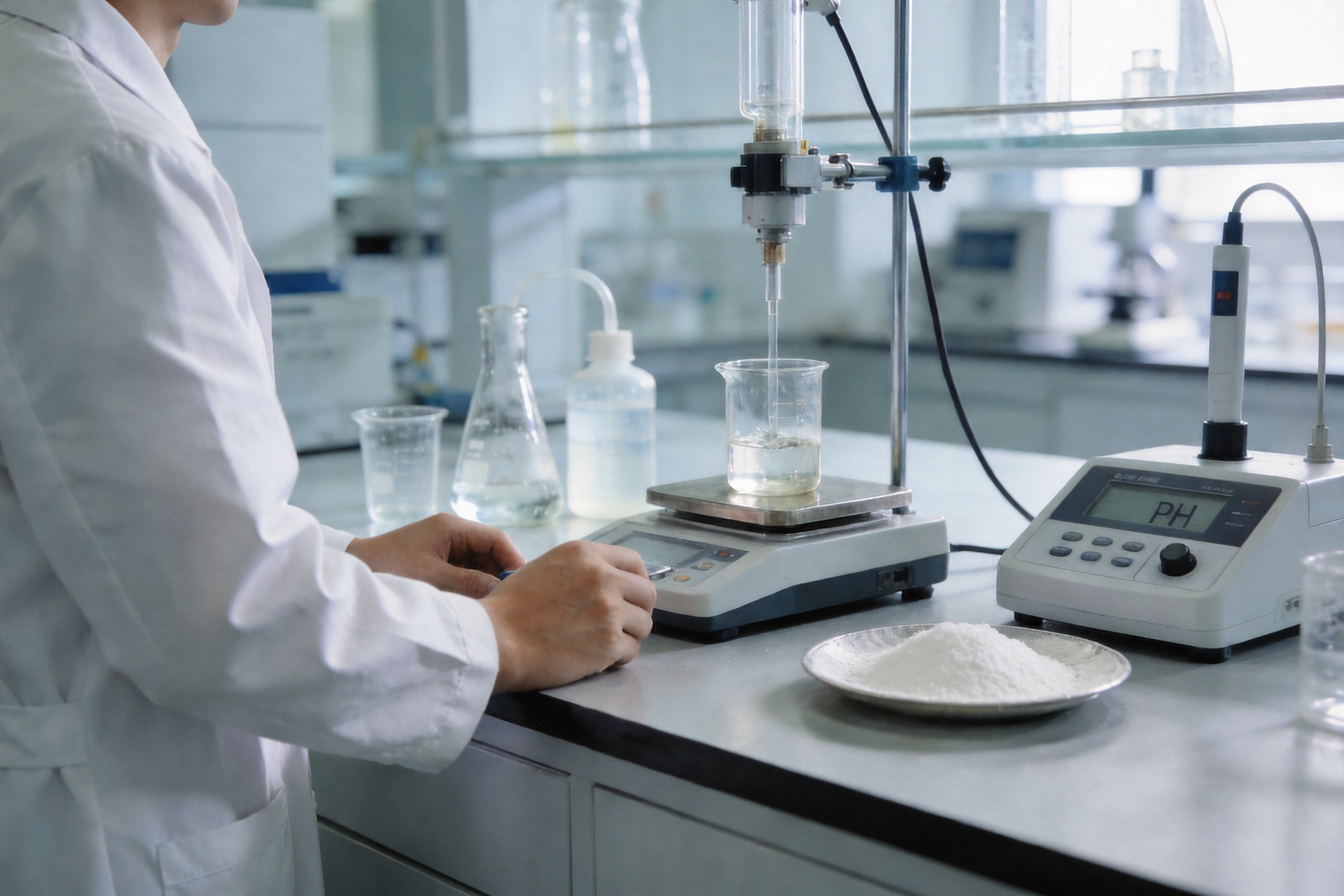
Reaction temperature and vacuum are controlled through vacuum evaporation for heat removal. The control system adjusts the vacuum pump or cooling-water flow to stabilize reactor temperature and vacuum within the set range, ensuring that the water evaporation rate matches the reaction heat generation rate and preventing temperature runaway from aggravating side reactions and product decomposition.
Material ratio control relies on linkage between flowmeters and control valves to precisely regulate formaldehyde and ammonia feed flows in proportion, ensuring slight ammonia excess.
Mother-liquor recycling and color monitoring are key to the economics of the gas-phase process. Mother-liquor color must be monitored; when exceeding the limit, part of the mother liquor is sent to an activated-carbon decolorization tank, filtered through a plate-and-frame filter press, and returned to the system, with partial mother-liquor purge as needed to maintain impurity balance.
Crystallization and separation control: the concentrated liquor solid-liquid ratio is controlled at 15%–30%, centrifuge wet cake moisture at 3%–5%, and finished product moisture ≤0.5% and purity ≥99.3% to meet premium-grade specifications.
Ammonia desorption tower operation requires maintaining a bottom temperature of about 125°C and pressure of about 0.4 MPa to ensure effective steam stripping and recovery of ammonia from the dilute ammonia water, reducing raw-material consumption and environmental pressure.
For safety control, the system is equipped with combustible/toxic gas detection alarms interlocked with emergency fans or shut-off valves, and key equipment is provided with emergency shutdown buttons or a safety instrumented system (SIS) to automatically execute protective actions in the event of over-temperature, over-pressure, or gas leakage.
4. Main Codes and Standards
Domestic projects follow a code system based on GB standards: general layout and fire protection per GB 50489 and GB 51283 (GB 50160 and GB 50016 also apply for petrochemical-system projects); tail-gas emissions meeting GB 31571 (formaldehyde, methanol, nitrogen oxides, etc.) and GB 14554 (ammonia and other odorous substances), with particulate matter referring to GB 16297; hazardous-waste storage and disposal complying with GB 18597, and general industrial solid waste referring to GB 18599; noise per GB 12348, seepage control referring to GB/T 50394, electrical explosion protection per GB 50058, pressure vessels per GB/T 150, and safety instruments per the safety facility design specification and the GB/T 21109 series.
International projects do not use GB as the main body but instead follow local regulations, owner-specified standards, and internationally accepted codes. Product standards often refer to GOST 1381-73 (Hexamethylenetetramine for industrial use), and supplier company specifications (purity, moisture, ash, free ammonia, chlorides, sulfates, heavy metals, etc.) are often cited in contracts as acceptance criteria; analytical methods may refer to ISO 8988:2006 (determination of hexamethylenetetramine content in phenolic resins) and basic standards such as ASTM E203 and ASTM E29. For safety and fire protection, urotropine is classified as a flammable solid (Category 1); dust handling refers to NFPA 654 and NFPA 77; projects under the European standard system must comply with ATEX Directive 1999/92/EC and 2014/34/EU; transport must be marked UN 1328 and follow the IMDG Code and IATA DGR; occupational exposure limits refer to ACGIH TWA 1 mg/m³ (noted as DSEN). Engineering design standards for the plant (pressure vessels, piping classes, electrical explosion protection, instrument interlock, etc.) are specified by the contract technical annex, with common combinations being the US standard system (ASME, ASTM, API, NFPA, IEEE/ISA), the European standard system (EN/ISO, PED, ATEX, IEC), or the project country's standards; the design codes for core non-standard equipment depend on the pressure-vessel code adopted (e.g., ASME Section VIII Div. 1 or EN 13445), with the Basis of Design and Applicable Codes and Standards List as the final basis.
5. Product Purity and Main Uses
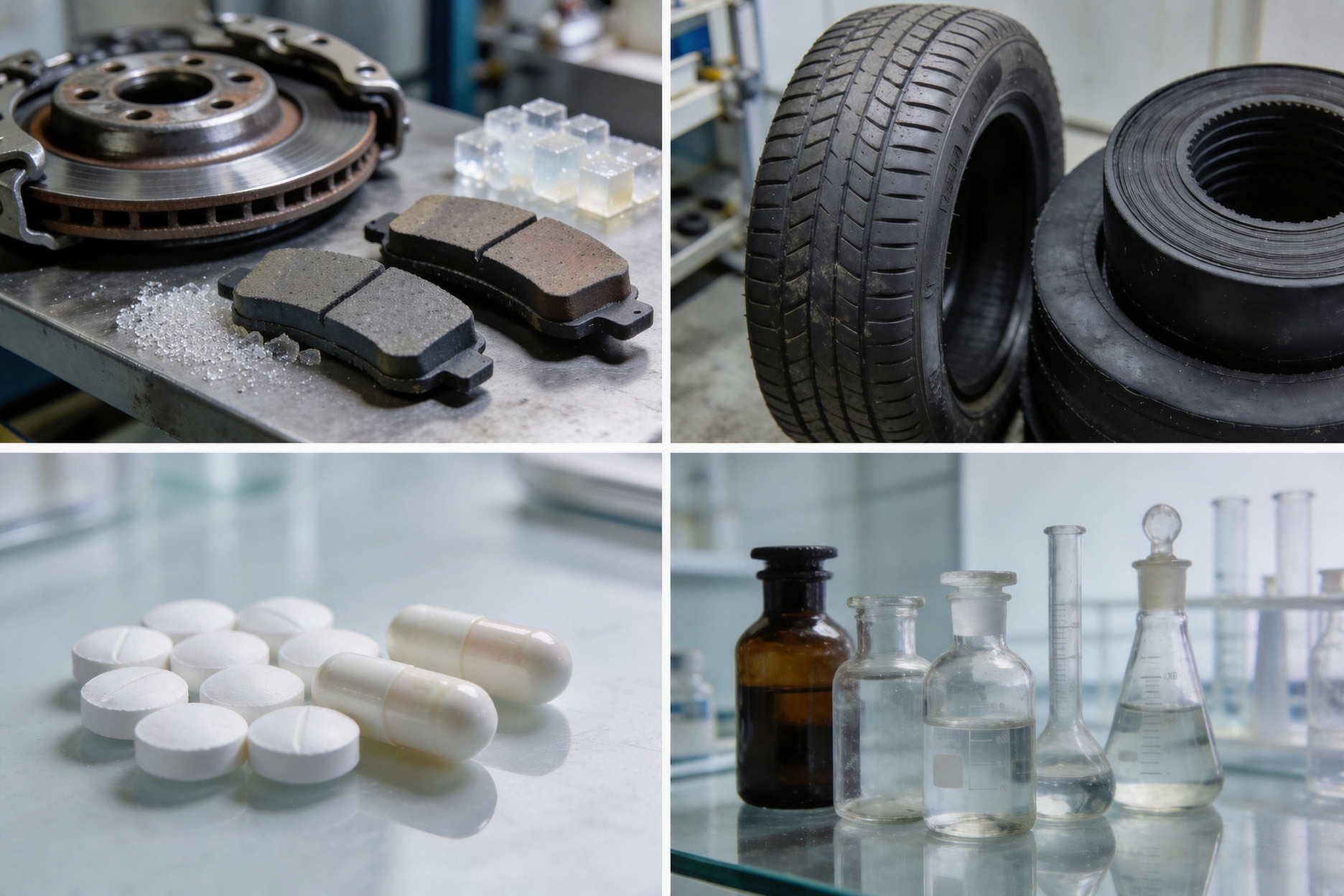
Industrial-grade urotropine typically has a purity above 99%, with premium grade requiring purity ≥99.3% and moisture ≤0.5%. High-specification product at 99.5% purity can enter fields sensitive to impurities: as a curing agent for phenolic and resorcinol resins used in brake pads, clutch facings, abrasives, and refractories; as a rubber vulcanization accelerator (accelerator H); as a pharmaceutical raw material for synthesizing various drugs, with the medicinal name Methenamine used to treat mild urinary tract infections (decomposing in acidic urine to release formaldehyde for bactericidal action); as a raw material for synthesizing explosives such as RDX and as a solid fuel block component; as an organic synthesis reagent (Duff reaction, Sommelet reaction) and analytical reagent; and as a urea anti-caking agent, metal-processing corrosion inhibitor, and curing agent for resin-coated sand in casting.
Pharmaceutical-grade purity requirements use ≥99.0% as the baseline threshold: the Chinese Pharmacopoeia specifies not less than 99.0% calculated on the dried basis, while USP and BP/Ph. Eur. specify 99.0%–100.5% on the dried basis. Among reagent grades, analytical reagent (AR) and ACS grade typically require ≥99.0%, chemical pure (CP) requires ≥98.0%, and some high-purity reagent specifications can reach ≥99.5%. A purity of 99.5% already covers the minimum assay requirements of most pharmaceutical and reagent-grade standards, but whether it can be used as a pharmaceutical or reagent also depends on whether impurity indicators such as heavy metals, chlorides, and loss on drying simultaneously meet the limits.
Conclusion
Industrial production of urotropine by the gas-phase process is built on the three-section closed loop of ammoniation reaction, crystallization and drying, and ammonia recovery, with precise control of pH and ammonia excess as the core, relying on DCS centralized monitoring and dedicated online instruments to ensure stable reaction conditions. Plant design must coordinate multi-level code requirements for fire protection, environmental protection, solid waste, noise, seepage control, and safety interlocks; international projects must follow the standard system specified in the contract, integrating international general bases such as product standards, analytical method standards, safety and fire protection codes, and occupational exposure limits. Product purity ranging from industrial grade at 99.3% to high specification at 99.5% corresponds to application scenarios at different levels—from resin curing and rubber additives to pharmaceutical synthesis and chemical reagents—with purity indicators and impurity control jointly determining the final applicable field of the product.
6. Engineering Case: Urotropine Plant Installation
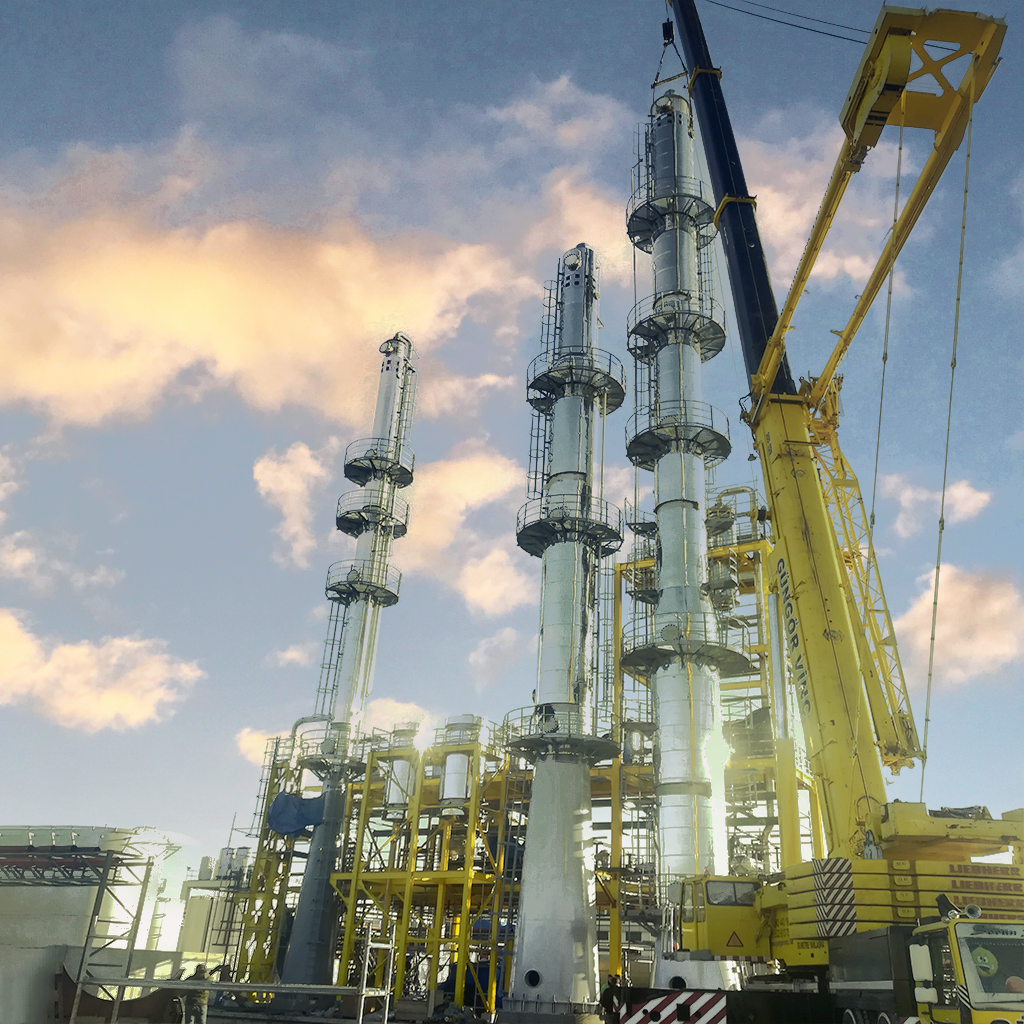
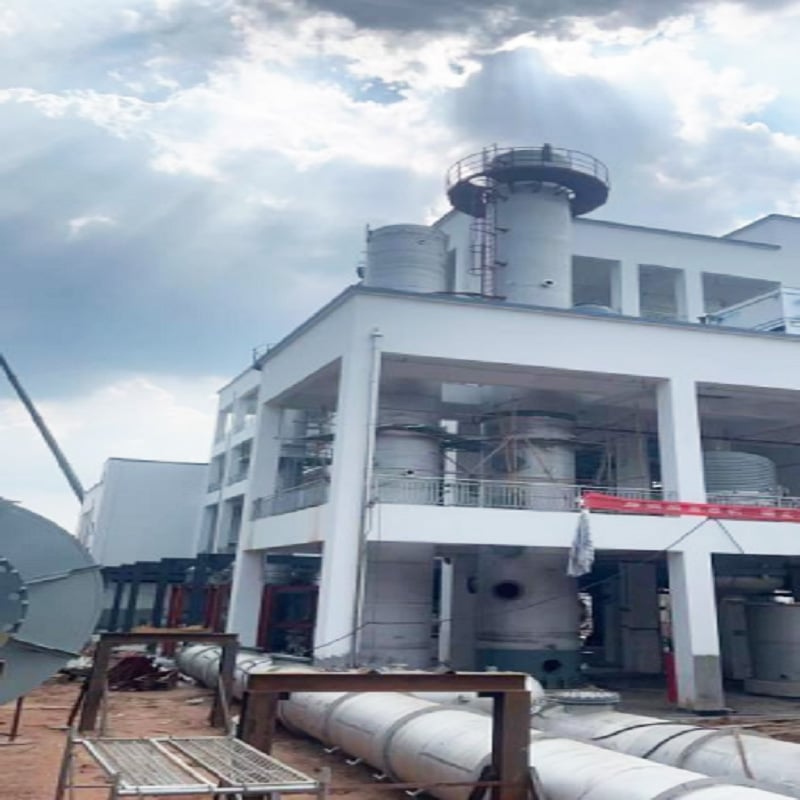
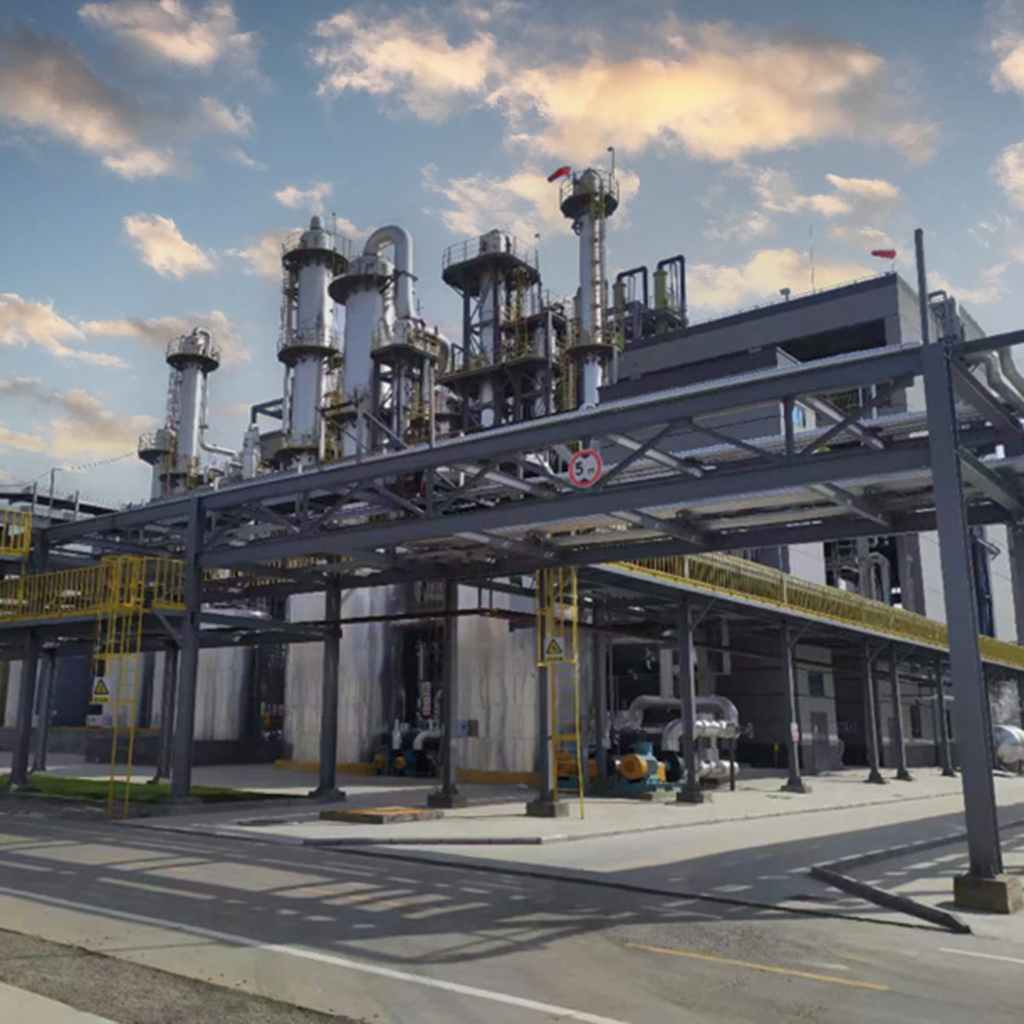
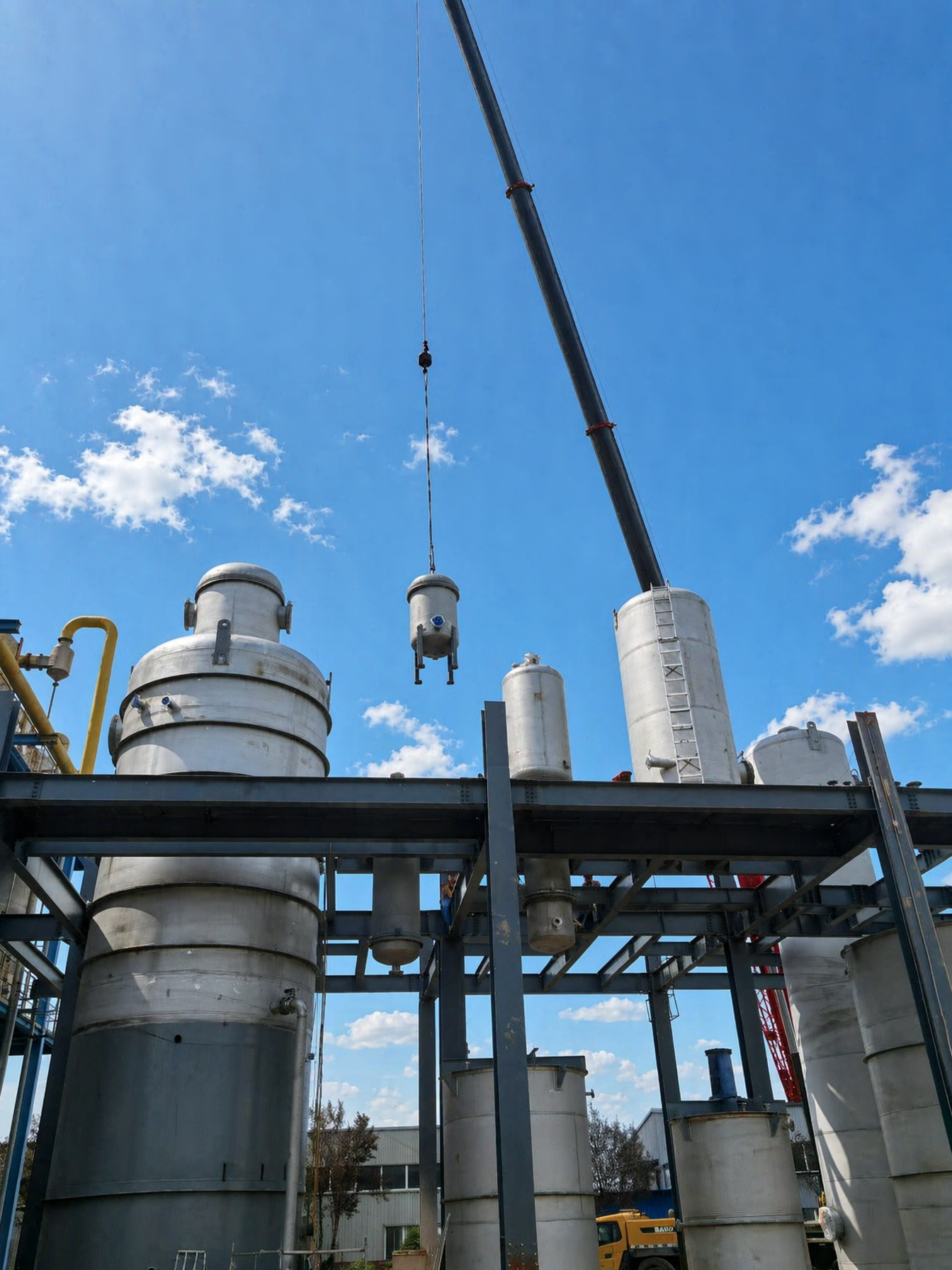
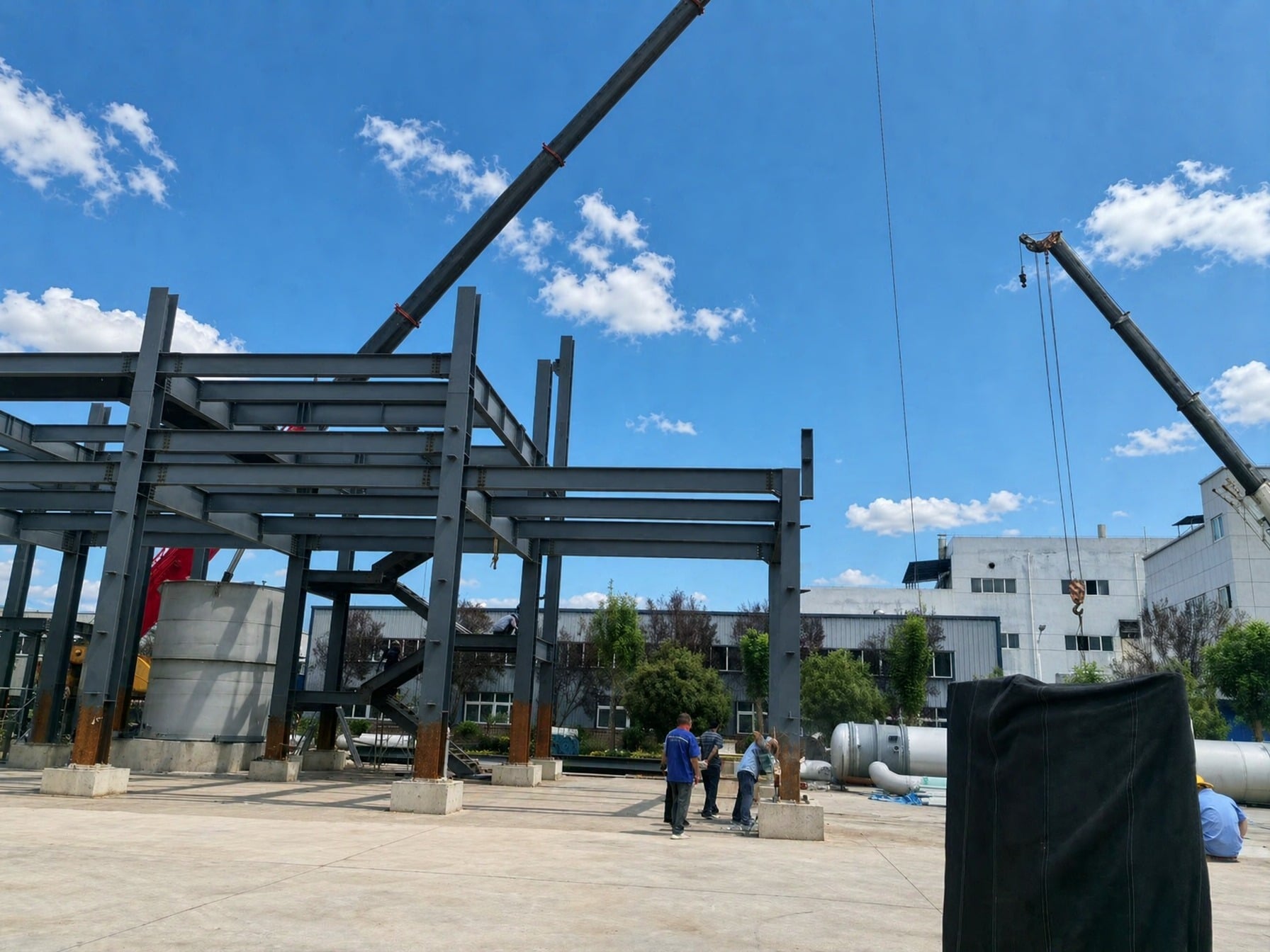
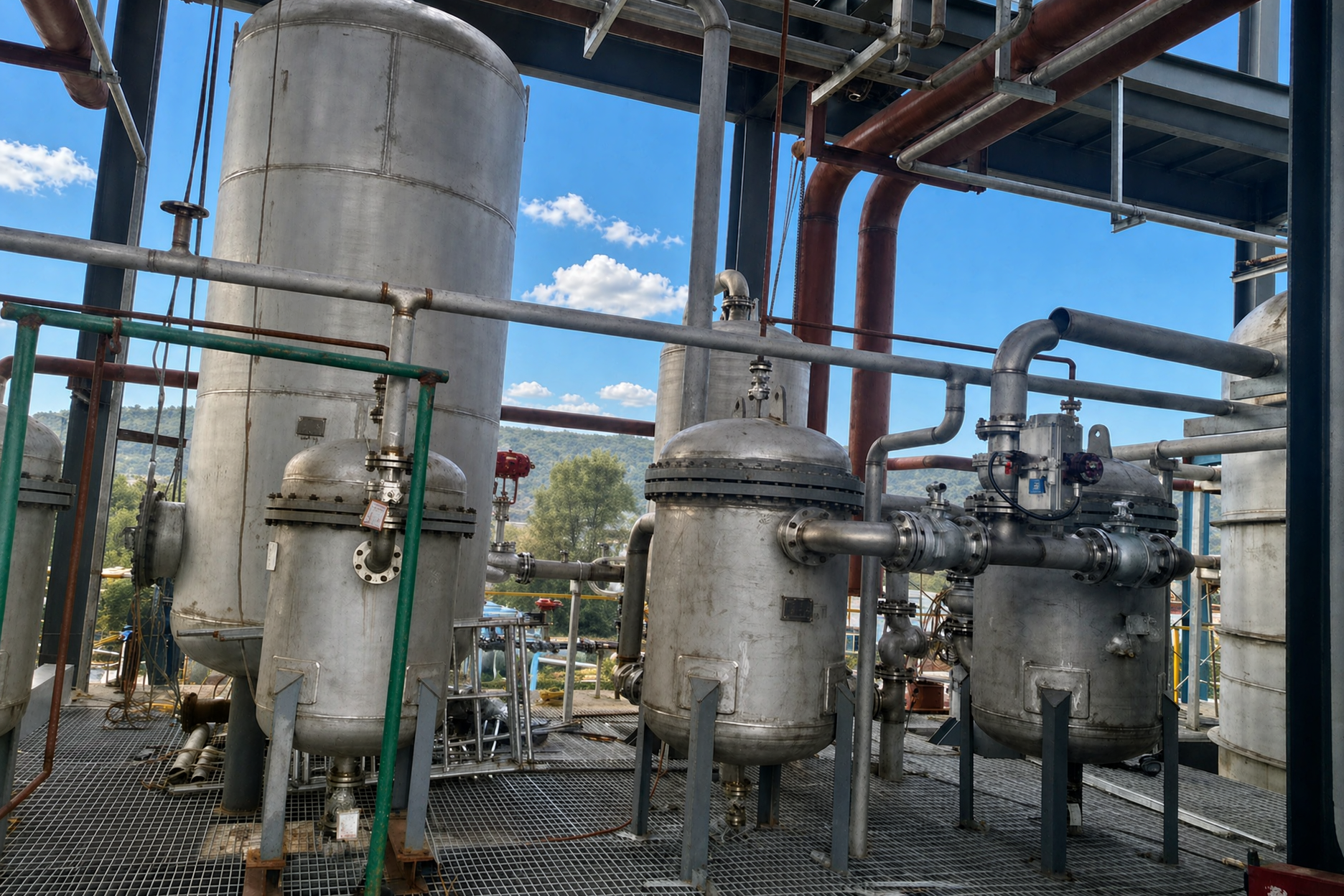
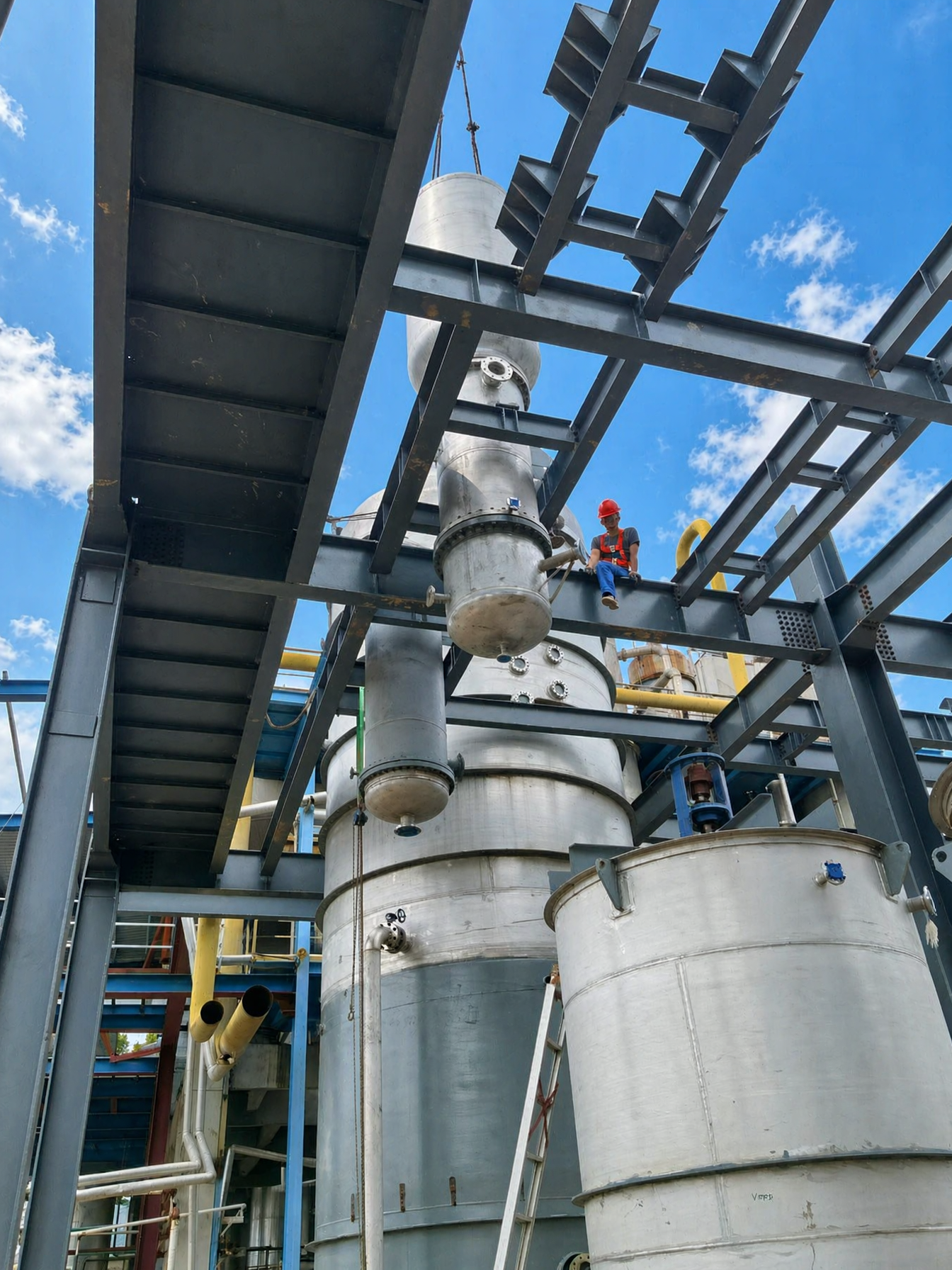
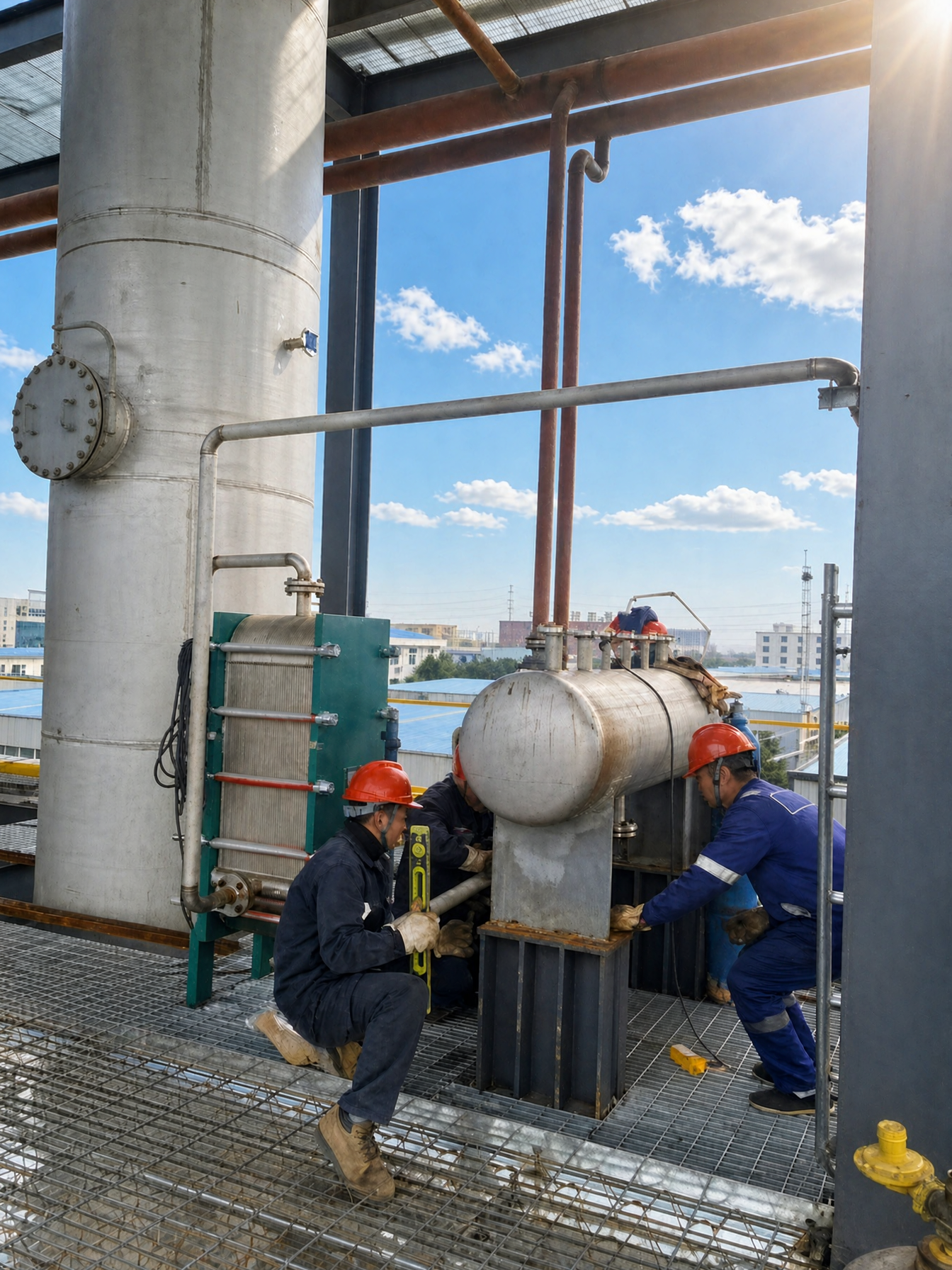
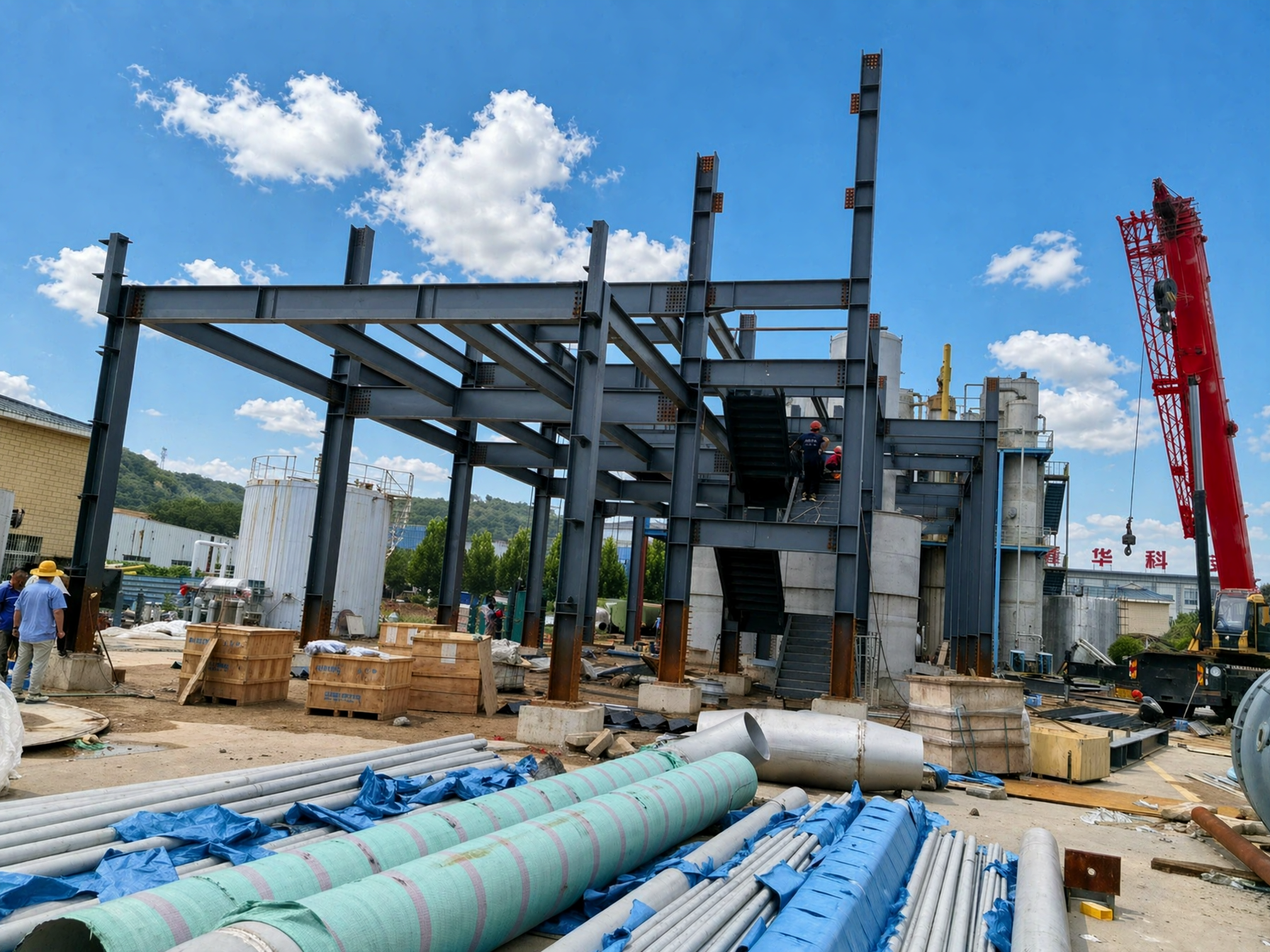
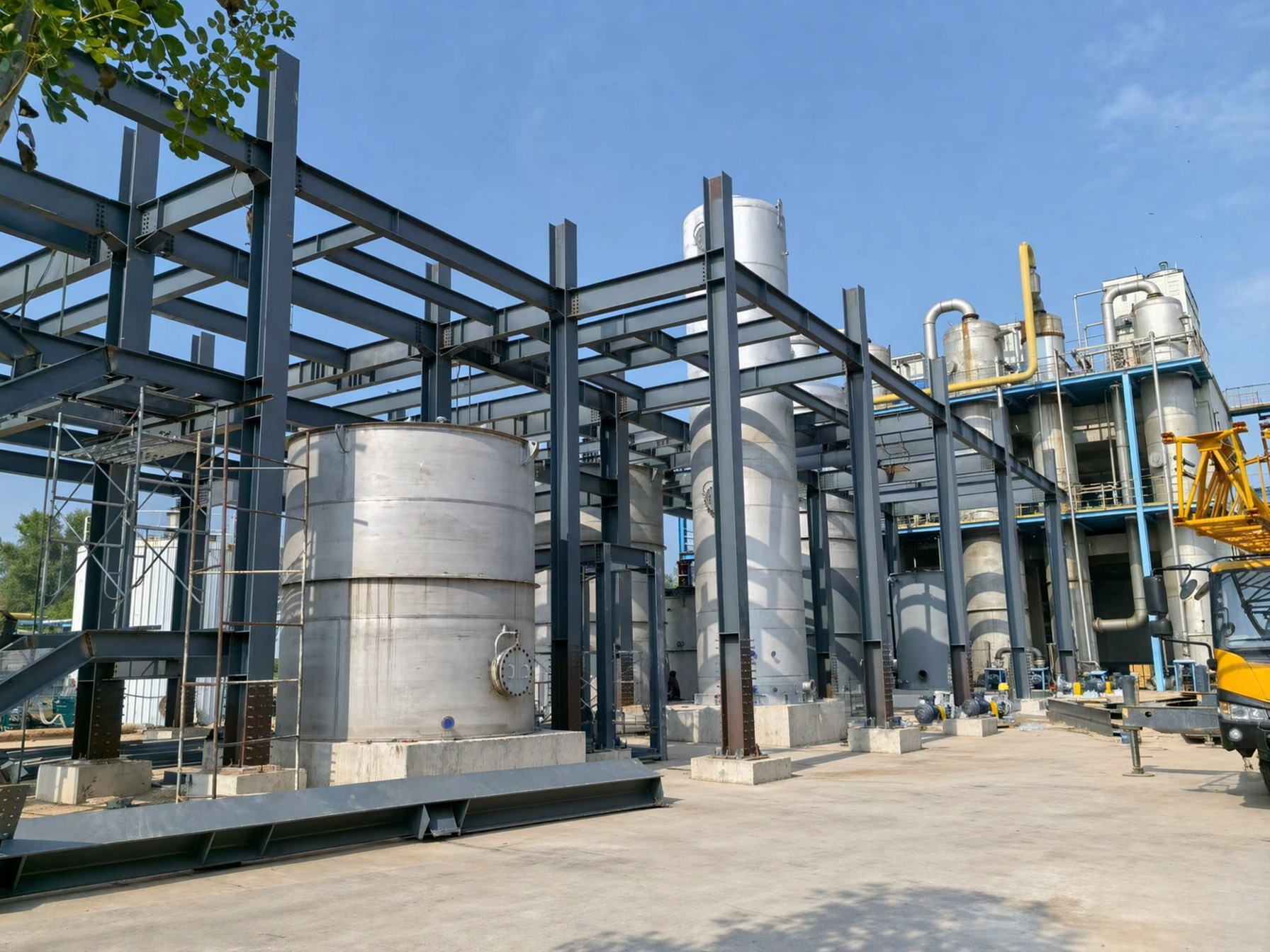
Beyond theoretical design, successful execution on-site is critical. The following photos showcase a recent, fully landed gas-phase Urotropine production plant project. The images capture key milestones during the construction and equipment installation phases, including the erection of the steel structure, the precise hoisting of large-scale distillation columns and storage tanks, and the installation of heat exchangers and ammonia recovery systems.
This project strictly adheres to international safety and engineering standards, ensuring that the plant will operate with high efficiency, stable process control, and environmental compliance. From core reactor fabrication to complete on-site assembly, our engineering team delivers reliable, turnkey solutions for global chemical manufacturing.
 EN