
Process Intensification Solutions for Chemical Plants

All Categories
Cost-Effective Process Intensification

Cost-Effective Process Intensification

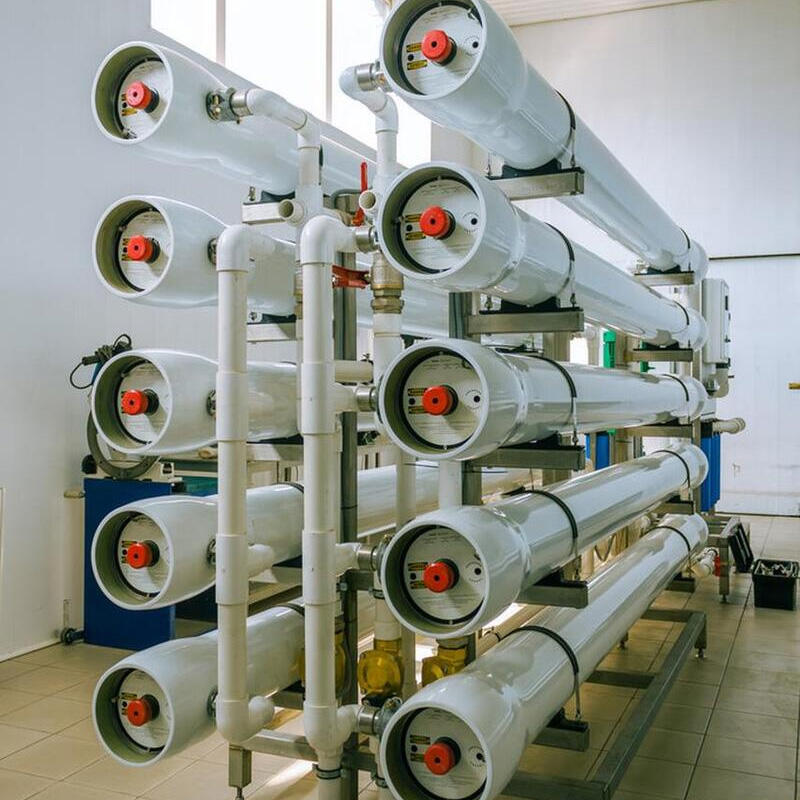
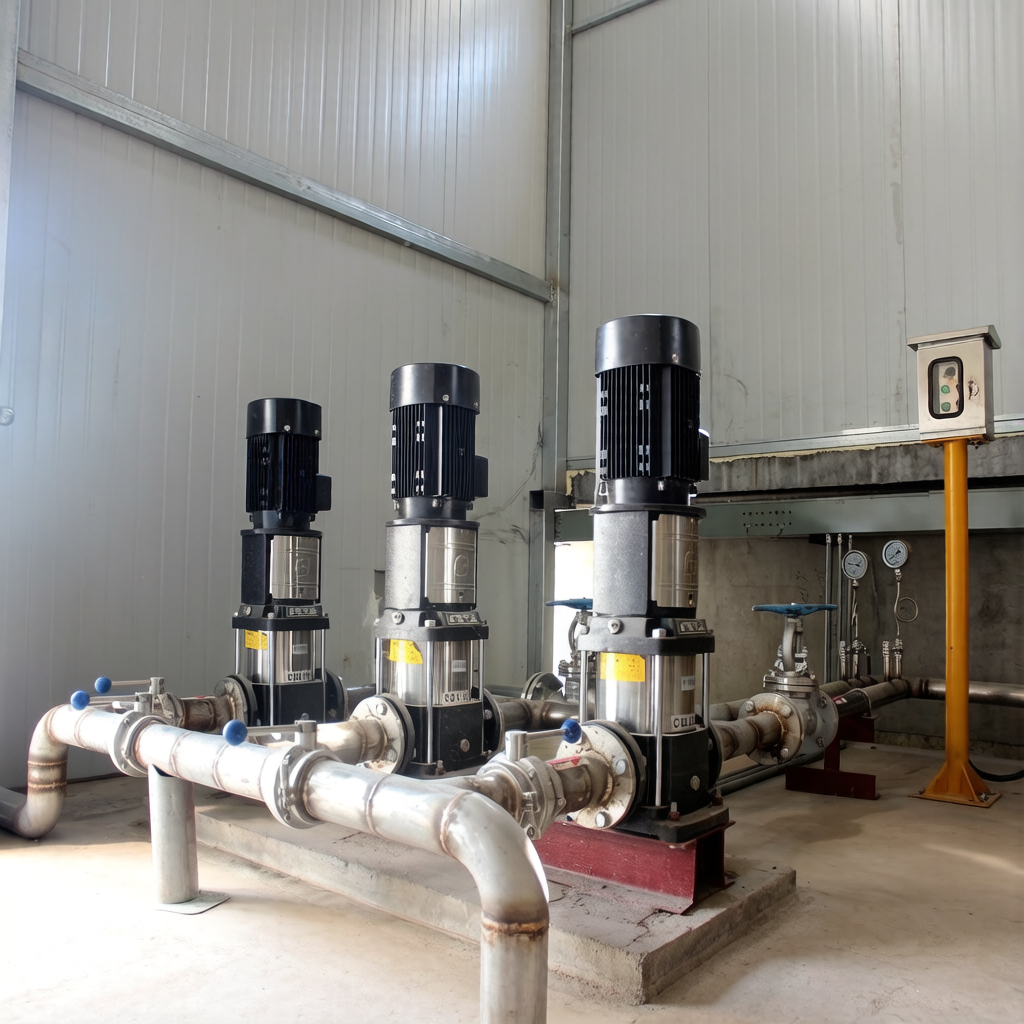
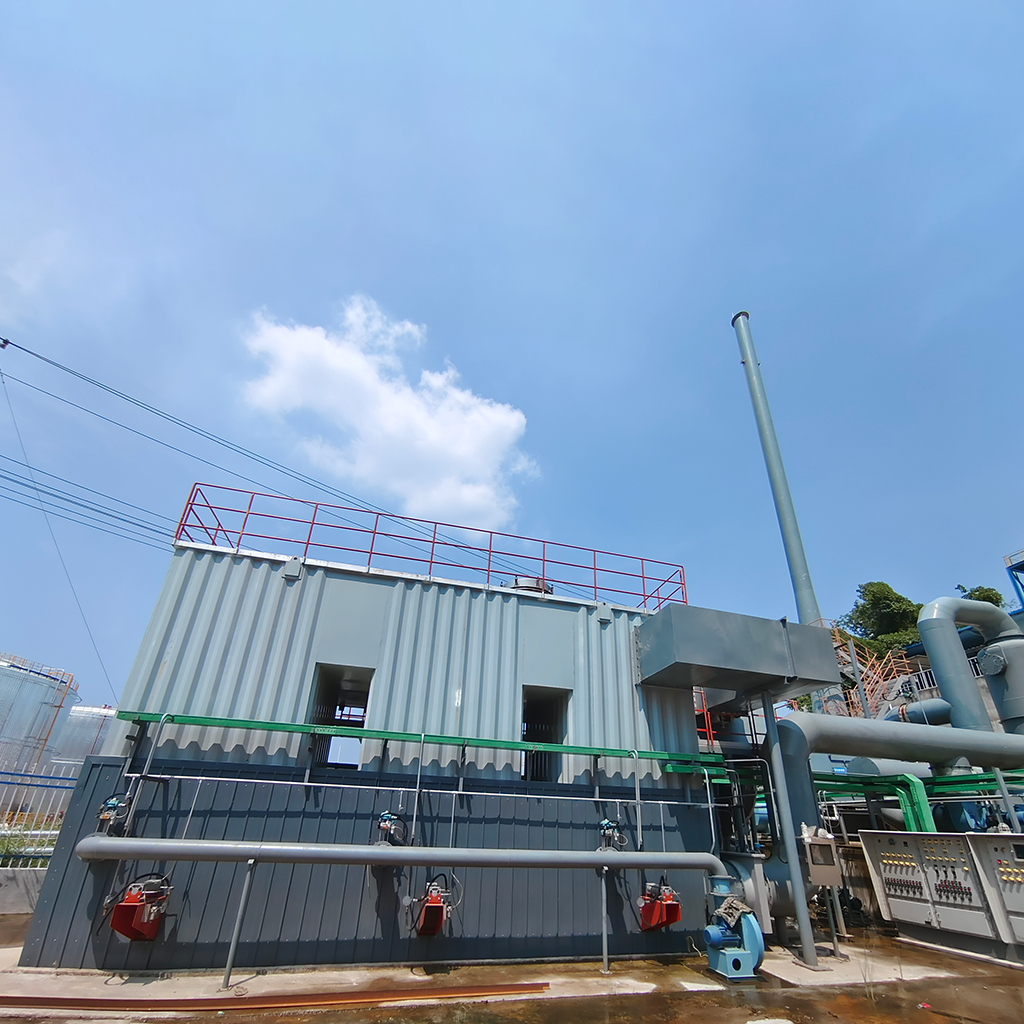
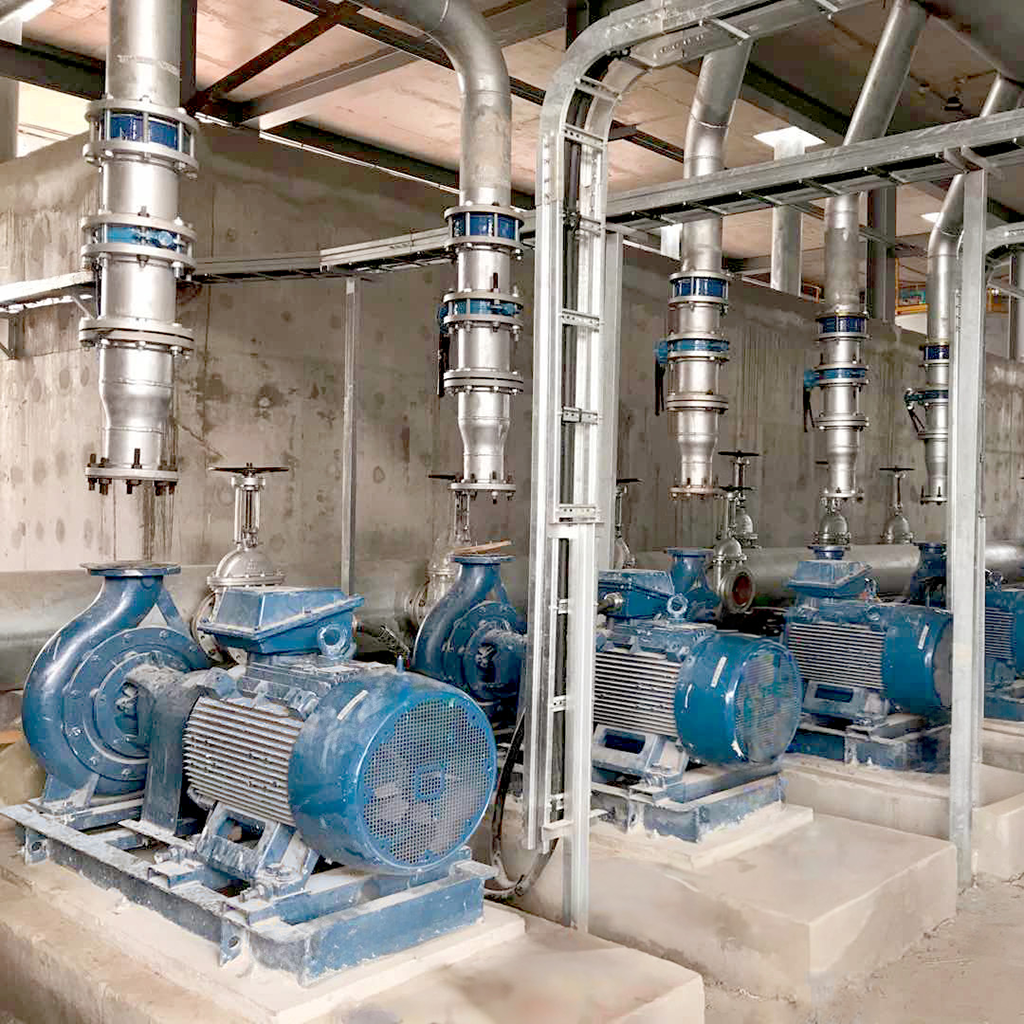
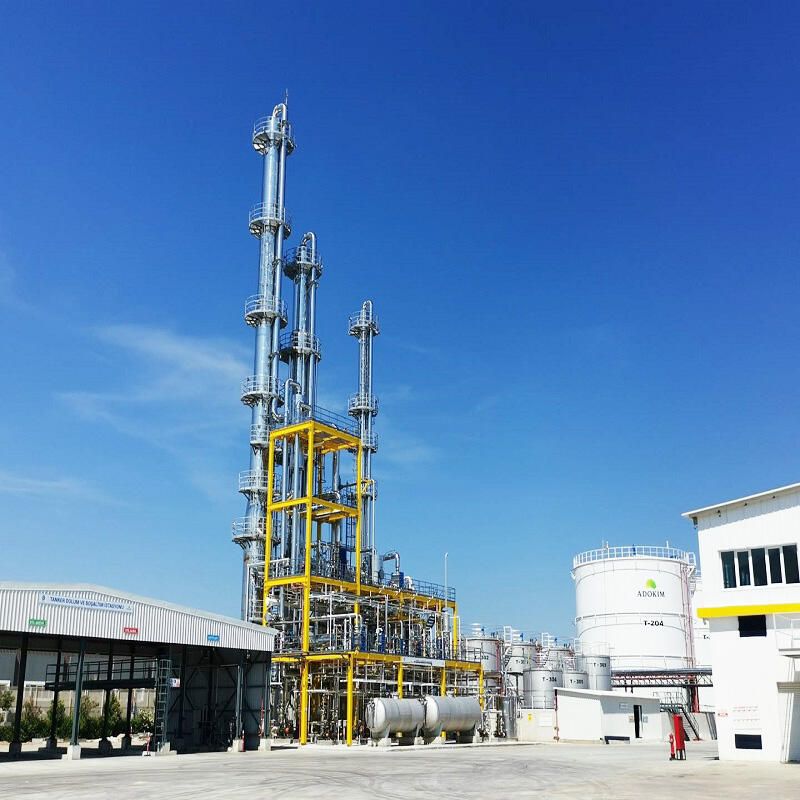
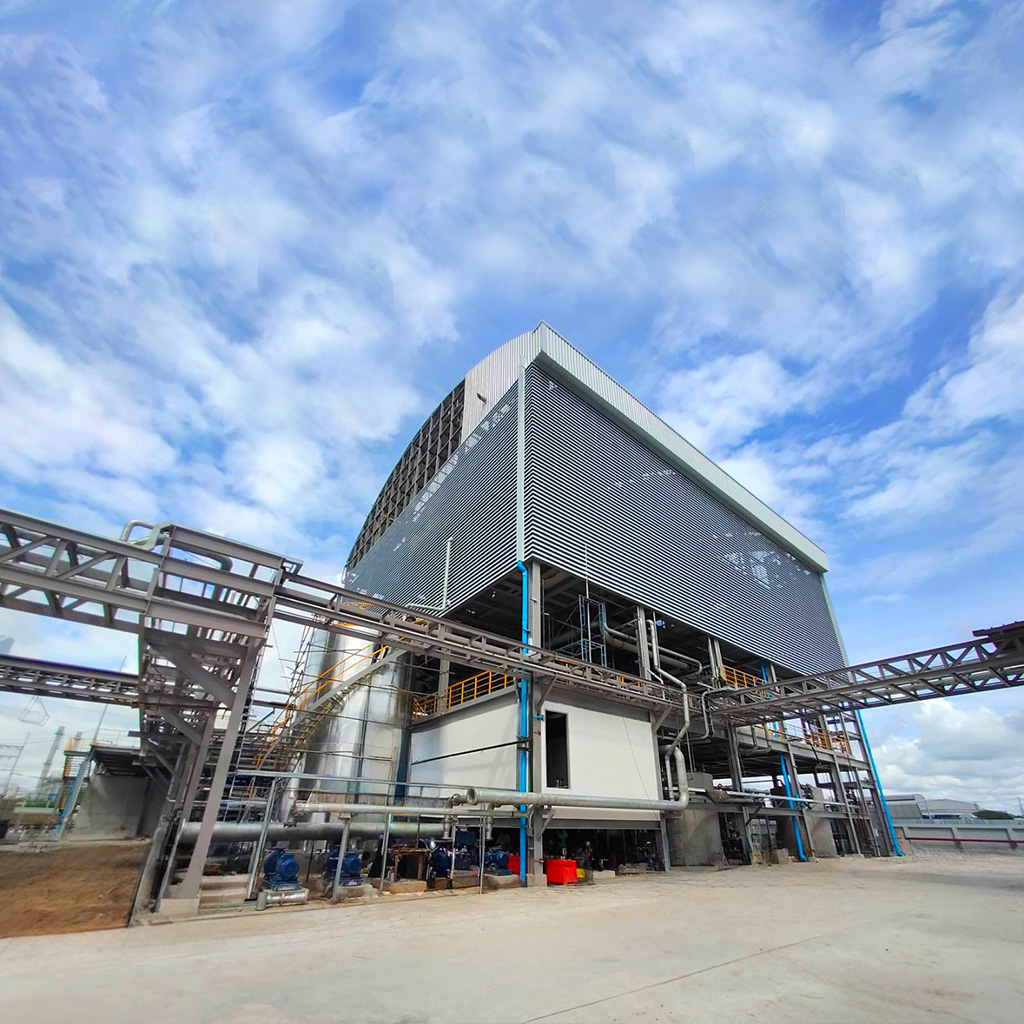
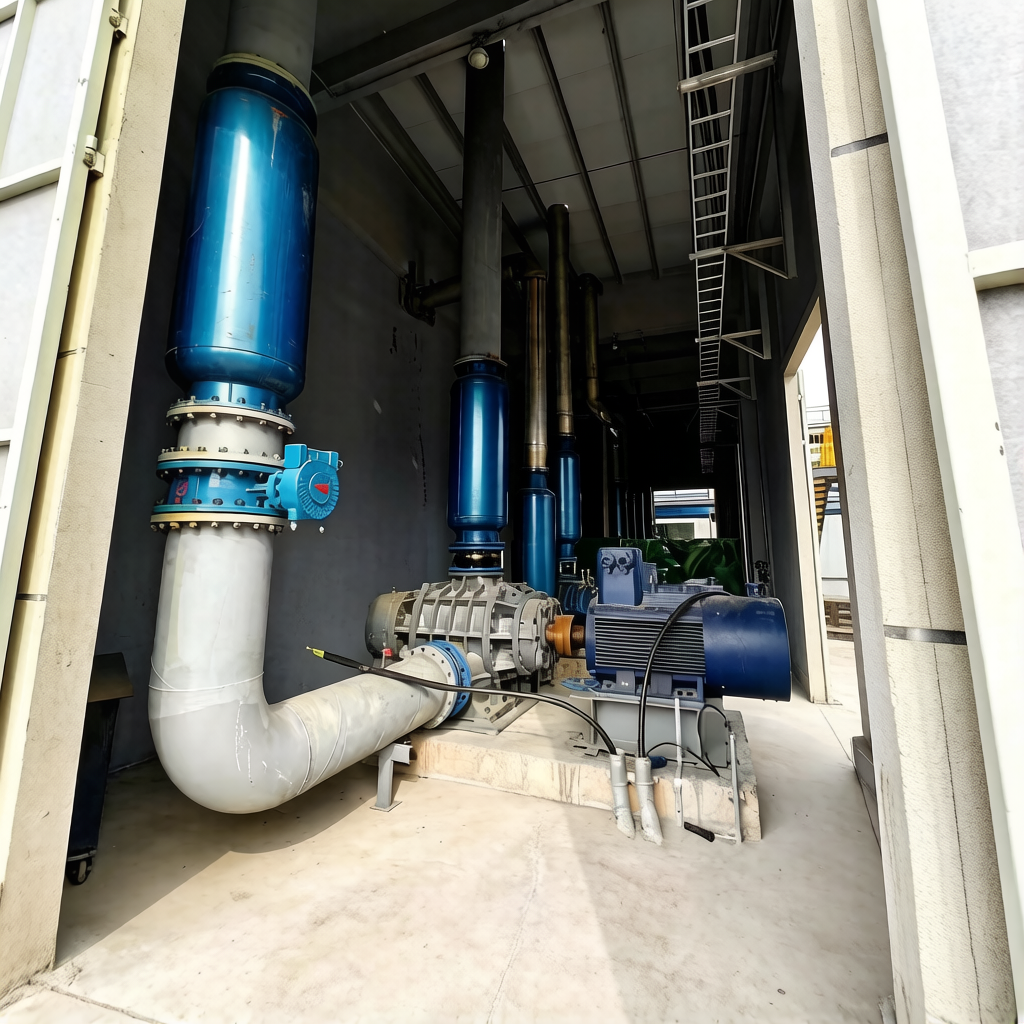
Reduce your capital and operating expenses with process intensification. SL-TECH combines multiple unit operations into fewer, more efficient pieces of equipment, resulting in smaller footprints, lower investment costs, and simplified plant operation and maintenance.
Get A Quote

Why choose us?

Optimized Separation Technologies

By employing intensified separation technologies, such as in our spray dryer and vacuum rake dryer processes for Paraformaldehyde, we achieve higher product purity and production efficiency with reduced equipment footprint.

Advanced Catalyst and Process Integration

We integrate advanced catalytic processes, like the Fe-molybdenum and Silver methods for Formaldehyde, as a form of process intensification to maximize conversion rates and selectivity, leading to more compact and efficient plants.

Efficient Plant Designs for Higher Yields

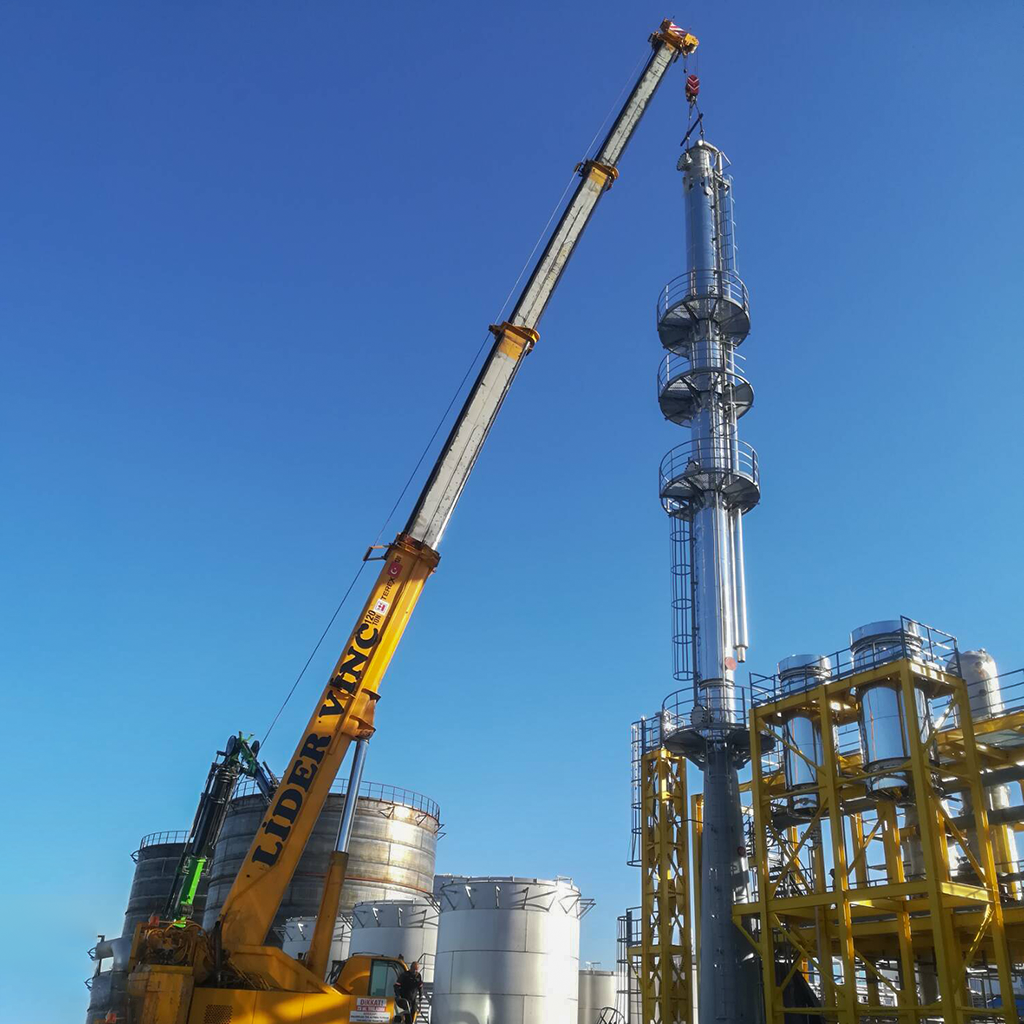
Our approach to process intensification focuses on creating more efficient plant designs, such as our Pressure Swing Distillation Process for Methylal, which reduces energy consumption and increases product yield compared to conventional methods.

Related products

Changzhou Sanli Tech International Trade Co., Ltd. leverages process intensification to overcome traditional trade-offs between capital cost, operating cost, and safety in chemical plant design. Our engineering teams are skilled in identifying opportunities to replace conventional, large-scale equipment with innovative, multifunctional units that deliver multiple process benefits simultaneously. For a complex process like a Bisphenol-A Plant, we can apply intensified crystallization and separation technologies that yield high-purity product with fewer processing steps, reducing the overall equipment count and simplifying the plant layout. In the production of Hexamine via the Gas Phase Process, we utilize intensified reactor designs that achieve high conversion rates in a single pass, eliminating the need for large recycle loops and associated equipment. Process intensification also plays a critical role in our new materials offerings. For the UHMWPE (Ultra High Molecular Polyethylene) Plant, we have developed intensified reactor systems that ensure precise temperature and mixing control, which is crucial for achieving the target molecular weight and particle size distribution. By deploying these intensified solutions, we help our clients achieve a more rapid return on investment, reduce their carbon footprint, and operate safer, more responsive plants that can adapt quickly to changing market demands.
Frequently Asked Questions

What is included in a Process Engineering Package (PEP)?

Our PEP is the complete blueprint for your plant. It includes process flow diagrams (PFDs), piping and instrumentation diagrams (P&IDs), material and energy balances, equipment specifications, control philosophy, and safety system designs. It provides all the technical information required for detailed engineering and construction.
Process intensification is a core design philosophy focused on creating more efficient, safer, and compact plants. We apply it by combining unit operations, enhancing heat and mass transfer, and optimizing reactor designs. This leads to smaller footprints, lower energy consumption, and reduced capital costs in plants like our Methylal and Formaldehyde units.
Our commissioning and start-up service is a systematic process to transition your plant from construction to operation safely and efficiently. It includes pre-commissioning checks, system integrity verification, the safe introduction of chemicals, and final performance testing. We also provide hands-on training for your operations team.
We deliver a wide array of plants, including those for Methanol, Formaldehyde (Fe-molybdenum and Silver methods), POM, DMMn, Trioxane, Hexamine, Methylal, Paraformaldehyde, Methylamines, EO, MEG, VAC, DMC, EC, various esters, acids, Bisphenol-A, MTBE, MEK, MIBK, UHMWPE, Polysulfone, Epichlorohydrin, DMSO, and Hydrogen Peroxide.

Related Articles

Analysis On Production Technology And Industrial Chain Of FM

28

Nov

Analysis On Production Technology And Industrial Chain Of FM

View More
Polysulfone: The Star Performer in Advanced Engineering Plastics

03

Mar

Polysulfone: The Star Performer in Advanced Engineering Plastics

View More
Everything You Need to Know about Polysulfone Plastic

27

May

Everything You Need to Know about Polysulfone Plastic

View More
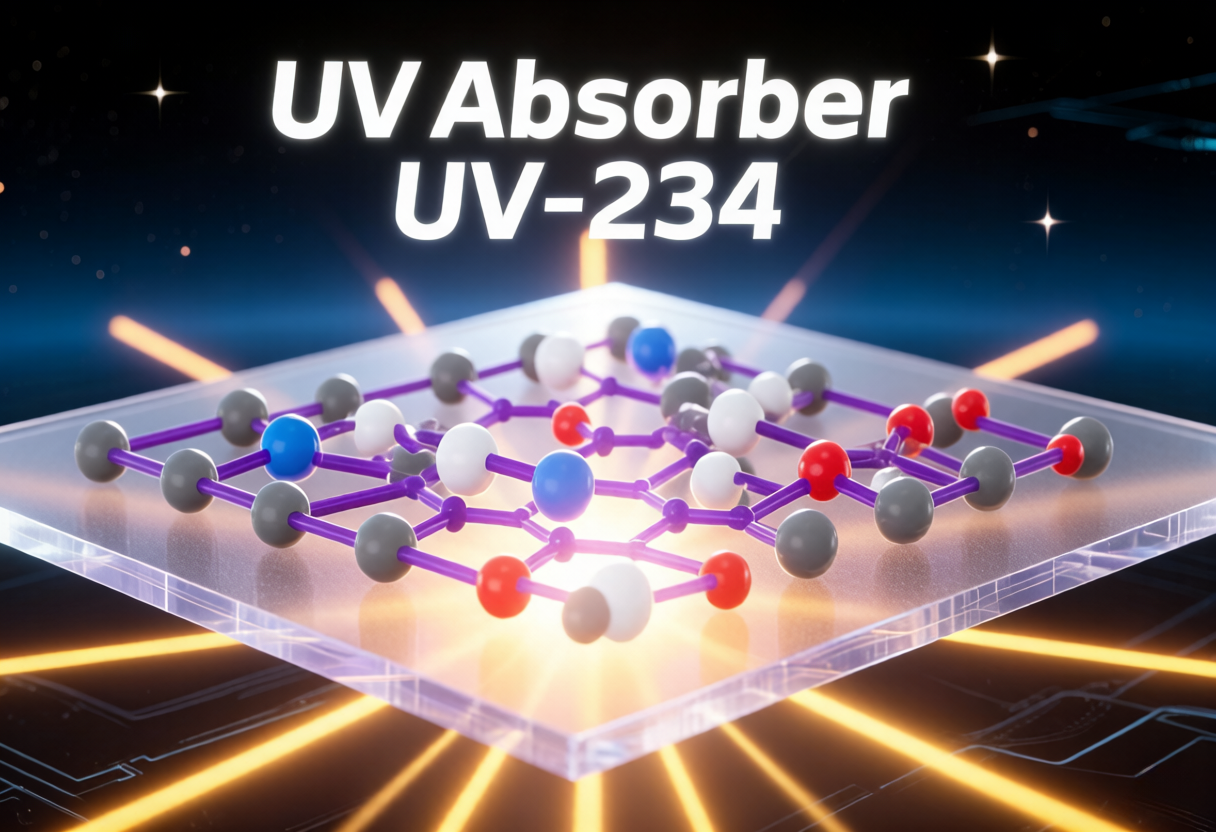
UV Absorber UV-234 – Comprehensive UV Protection for Polymer Materials Efficient · Stable · Broad Spectrum · Safe

25

Mar

UV Absorber UV-234 – Comprehensive UV Protection for Polymer Materials Efficient · Stable · Broad Spectrum · Safe

View More

Customer Reviews

William Grant

The process intensification strategies used by Sanli Tech in our DMC (Dimethyl Carbonate) plant have improved both safety and efficiency. By minimizing in-process inventory and enhancing mixing in the reactor, they created a safer environment while achieving high conversion rates. The plant’s performance demonstrates the tangible benefits of their engineering philosophy.

Liu Yang

Our new Formaldehyde (Fe-molybdenum Method) plant incorporates Sanli Tech’s process intensification technologies. The reactor and heat recovery system are highly integrated, leading to excellent conversion rates and lower utility consumption. The compact layout also reduced our civil costs. We are extremely pleased with the performance and efficiency of this facility.

Get a Free Quote

Our representative will contact you soon.
Email
Mobile/Whatsapp
Name
Company Name
Message
0/1000
Innovative Process Intensification For Efficiency And Safety

Innovative Process Intensification For Efficiency And Safety

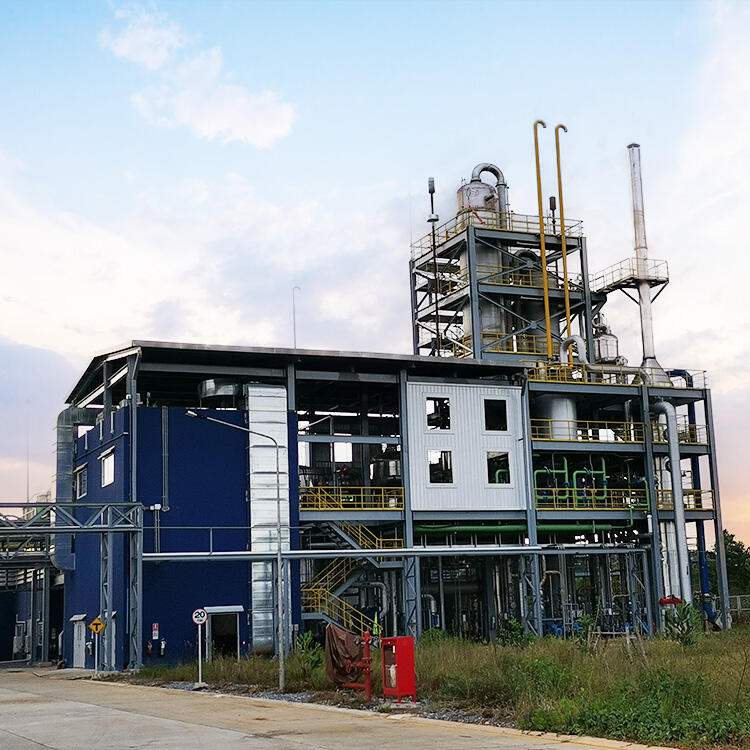
We embed process intensification principles into every design to create plants that are more efficient, safer, and more sustainable. Our solutions include intensified reactive distillation, advanced heat integration, and compact reactor designs that reduce footprint, lower energy consumption, and minimize in-process inventory, leading to significant operational cost savings.